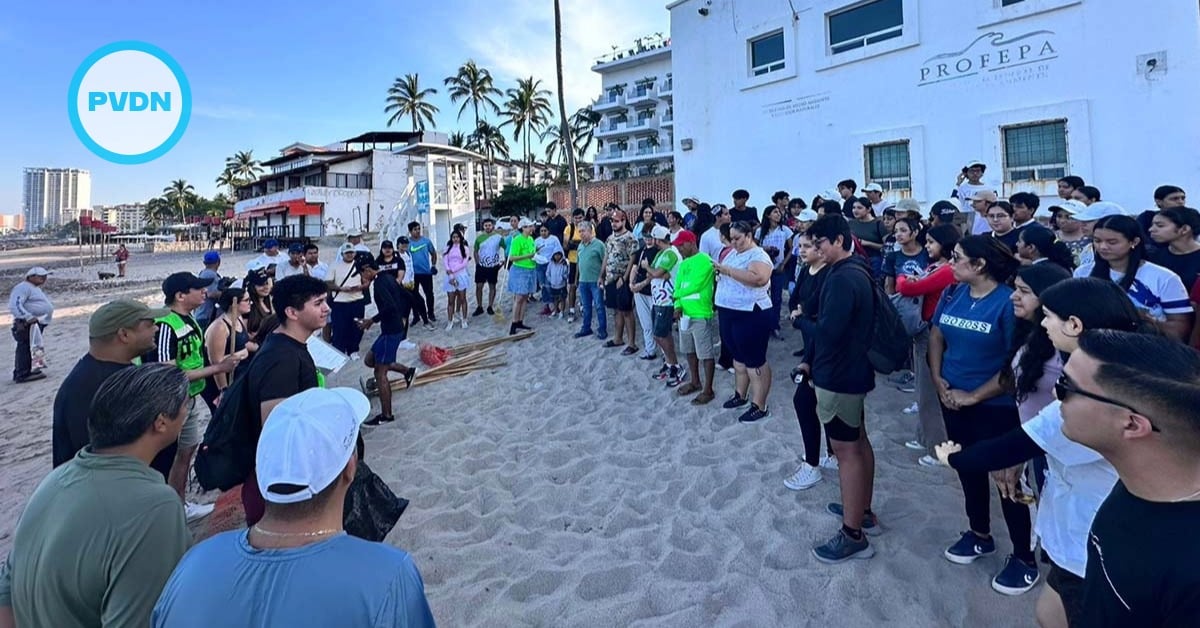
On Monday, November 10, about 150 people showed up with gloves, bags, and a plan. They spread out across Playa Camarones, filling sacks with plastic, glass, and—most of all—cigarette butts. City staff joined students and neighbors to do the steady work that keeps a beach usable, safe, and proud.
The push came with official backing. The effort was promoted by Councilor Christian Omar Bravo Carbajal, who chairs the city’s Commission on Free, Clean and Certified Beaches. University volunteers from Guardianes de la Bahía joined teams from several municipal offices. The goal was simple: remove what shouldn’t be there and help the city keep its certifications on track, one morning at a time. As one organizer put it, the job is never done on an urban shoreline.
Playa Camarones cleanup
Playa Camarones cleanup is not a new idea here; it is a rhythm. The beach sits in the heart of Puerto Vallarta, next to restaurants, hotels, and busy streets. That proximity brings people—and litter. Cigarette filters turn up in every rake. Bottle caps hide in the swash line. Volunteers trade small talk while they fill bags, but the result is serious. Fewer toxins in the sand. Fewer sharp edges underfoot. A cleaner run-off zone before the next high tide.
The turnout matters because the bar is high. Camarones regained its Blue Flag distinction late this summer, a badge that must be defended with clean sand, tested water, and clear safety practices. The rules cover everything from access and signage to water sampling and environmental education. Volunteer work like this clears the path for the maintenance crews who keep those boxes checked day after day.
City officials say this is the model: pair month-to-month field work with the paperwork and testing that certification demands. It also helps the city’s broader push to keep more beaches certified across the bay. The Commission on Free, Clean and Certified Beaches exists to align that effort—policy, crews, and community—in one place, so that cleanups translate into standards met and flags raised.
Playa Camarones sits in a tough spot for that mission. It is a central, very public beach. Weekend crowds are big. Runoff after storms can drag street debris onto the sand. When a cleanup rolls through, the trash bags fill fast with the things people leave behind. Cigarette butts dominate because they are small, easy to drop, and hard to pick up once they sink into dry sand. Each bag of filters pulled out is a small water-quality win.
By late morning, the group at Camarones had stacked up bags and counted the worst offenders. The rough tally told a familiar story: plastics and glass by weight, but filters by count. Students from the university program swapped notes with city teams on where they found the densest patches. That map will guide crews before the next high tide and the next weekend rush.
What keeps certification alive
Beach certification is more than a ceremony. It is routine. It is the sample pulled from the surf and logged. It is a lifeguard chair set where it can be seen. It is clear access, ramps that work, and signs that people read. The morning at Camarones fits into that system. Pulling thousands of small items today makes tomorrow’s water tests a little easier to pass and keeps the sand safer for bare feet. It also aligns with the federal Clean Beach Standard NMX-120, which many resorts and cities aim to meet.
It also builds a habit. When neighbors see a cleanup line cross the beach, they tend to change. A smoker looks for a pocket ashtray. A vendor keeps a lid on a bin. A family brings a bag for their own trash. That is how standards move from a binder to daily life. Puerto Vallarta has seen both sides—the pride of a raised flag and the sting when warnings go up.
For the city, this is about tourism and dignity. Clean beaches protect a brand that pays salaries across town. They also protect locals who swim, fish, and walk here every week. Volunteers said as much between bag drops. You hear it in the way they talk about home. The beach is where the city meets the bay. When it looks cared for, people act like it is theirs.
What happens next is simple. The Commission plans more rounds like this. University groups will come back. City offices will keep showing up. The ask for the rest of us is easy enough: pack out what you bring in, stub out cigarettes in a tin, and use the bins that are already there. Small habits add up faster than any single cleanup ever could.
Playa Camarones is not clean forever after one push. No beach is. But the morning’s work lowers the pile for the crews who clock in tomorrow. And with each pass, the odds improve that the next test reads the right way and that the flag stays up through the season.
Environmental issues from cigarette butts.
- Plastic Pollution: The majority of cigarette filters are made of cellulose acetate, a type of plastic that is very slow to degrade in the environment, taking anywhere from 18 months to 10 years, and often much longer in seawater. They do not biodegrade but rather break down into smaller and smaller pieces, becoming a significant source of microplastics that persist in the environment.
- Toxic Chemical Leaching: Used cigarette butts contain and concentrate hundreds of toxic chemicals, including nicotine, arsenic, lead, chromium, cadmium, and polycyclic aromatic hydrocarbons (PAHs). When left in the environment, these toxins leach into the surrounding water and soil. A single smoked cigarette butt can leach enough toxins to kill fish in a liter of water within 96 hours.
- Water and Soil Contamination: Butts on beaches can be carried by wind or urban runoff into storm drains and from there to rivers and oceans, contributing to widespread non-point source pollution that harms water quality.
Impact on Wildlife
- Ingestion Risk: Marine animals, birds, and sea turtles often mistake cigarette butts for food. Ingestion can lead to internal blockages, malnourishment, starvation, or poisoning from the toxins.
- Toxicity to Aquatic Life: The chemicals leached from the butts are acutely toxic to various marine and freshwater organisms. Studies have shown adverse effects on the survival, growth, and reproduction of fish, water fleas (a critical part of the food chain), tide pool snails, and marine bacteria.
- Bioaccumulation: The heavy metals and other toxic compounds from the butts can enter the food web and bioaccumulate in the tissues of organisms, with potential effects on the entire ecosystem and a risk to human health through seafood consumption.
- Habitat Degradation: The sheer volume of discarded butts contributes to the general degradation of coastal and marine habitats, impacting local flora and fauna.
Please do not throw your cigarette filters on the ground in Puerto Vallarta.