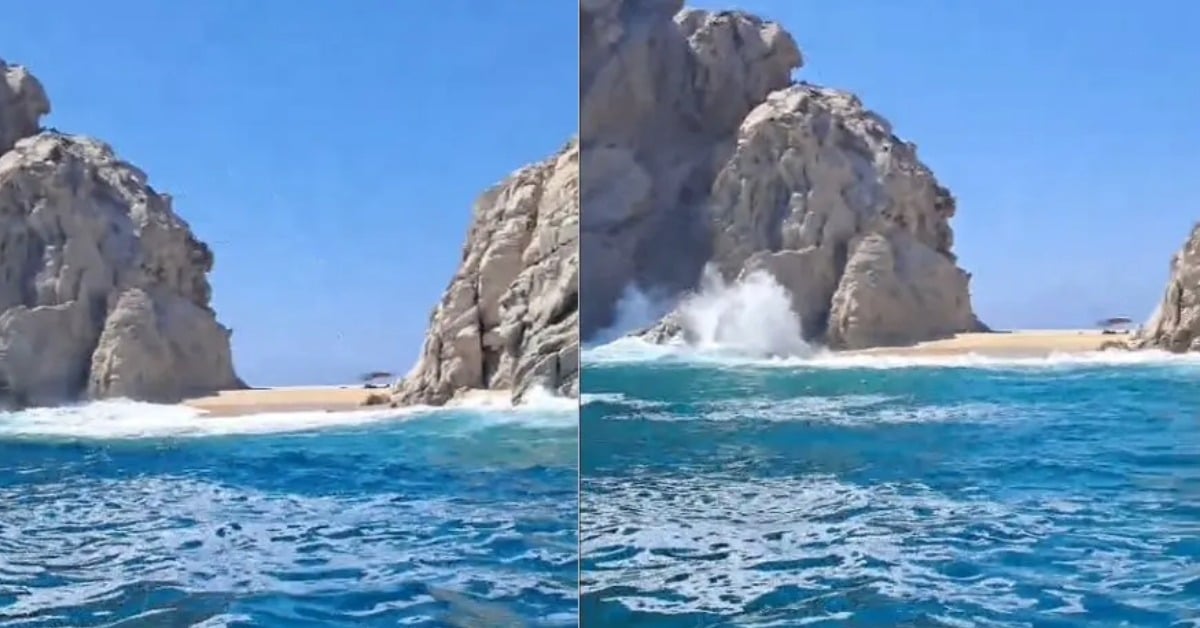
A sudden long-period swell rolled into Cabo San Lucas on August 31, catching many visitors off guard and prompting port authorities to halt tourist drop-offs at Lover’s Beach. If you’ve got a glass-bottom boat or Arch tour on your itinerary, this is the moment to know how Los Cabos decides beach closures and what those red and black flags really mean. We consulted with local guidance and reviewed official criteria to ensure you understand why the Playa del Amor closure was ordered—and how to plan safely when seas turn rough.
Cabo San Lucas paused tourist drop-offs at Lover’s Beach on Sunday, August 31, after a long-period swell created dangerous surf and strong currents at the mouth of the bay. The Port Authority announced the measure in the morning, citing safety risks for visitors and boat crews.
Authorities instructed operators to suspend beach landings at Playa del Amor while the seas were high. The order applied to tourist pangas and tour boats that commonly ferry visitors to the granite spit below the Arch. The closure referred specifically to August 31; conditions can change quickly in Cabo.
Playa del Amor closure
Playa del Amor is situated where the Pacific Ocean meets the Sea of Cortez. When long-period swell arrives, the narrow channel near the Arch focuses energy and produces hazardous shore break and rip currents. Earlier this year, Navy crews reported multiple rescues around the same headland when surf spiked.
Mexico’s disaster agency describes “mar de fondo” as a long, continuous swell generated by distant storms. It is not a tsunami, but it can lift surf several feet and create powerful lateral currents even on sunny days. The phenomenon is most common from May to November on the Pacific coast.
How Los Cabos decides beach closures
Two agencies are responsible for beach safety signals here. Capitanía de Puerto (the Navy’s harbormaster) can halt specific activities—like landings at Playa del Amor—when sea state becomes unsafe for small craft. ZOFEMAT lifeguards post beach flags: red for high risk and black when a beach is closed to swimmers. Local authorities reiterated these rules earlier this summer amid repeated long periods of swells.
In recent weeks, Los Cabos has experienced multiple high-surf and weather-related restrictions, including red-flag days and short-term navigation closures tied to tropical systems. Those decisions underscore how quickly operators and officials adjust when the Pacific sends in new energy.
What visitors should know today
If you’re planning a Land’s End or glass-bottom boat outing, ask your operator about the current landing status before you board. Check the latest harbor notices and beach flags posted by local authorities; crews know when a swell run is peaking or fading. Respect lifeguard calls at Médano, Santa María, and other popular beaches, where long-period sets can sweep people off the sand without warning.
The August 31 Playa del Amor closure was a reminder that Cabo’s dramatic meeting of two seas is beautiful—and unforgiving when the swell turns on. Plan with a bit of flexibility, and you can still enjoy the Arch safely once the sea calms down again.