A powerful national crew tried to plant roots in Playa del Carmen, according to Quintana Roo’s attorney general. Thirteen alleged members led by a woman known as “La Michel” were rounded up in recent months and 18 firearms were seized. The cell’s mission, authorities say, was to wipe out rival groups. Monday’s security briefing sketched a plan that felt uncomfortably close to the city’s tourist heart. The question now is whether the arrests mark a turning point—or just the latest flare-up in a long fight for the coast.
Playa del Carmen cartel push meets a wall of arrests
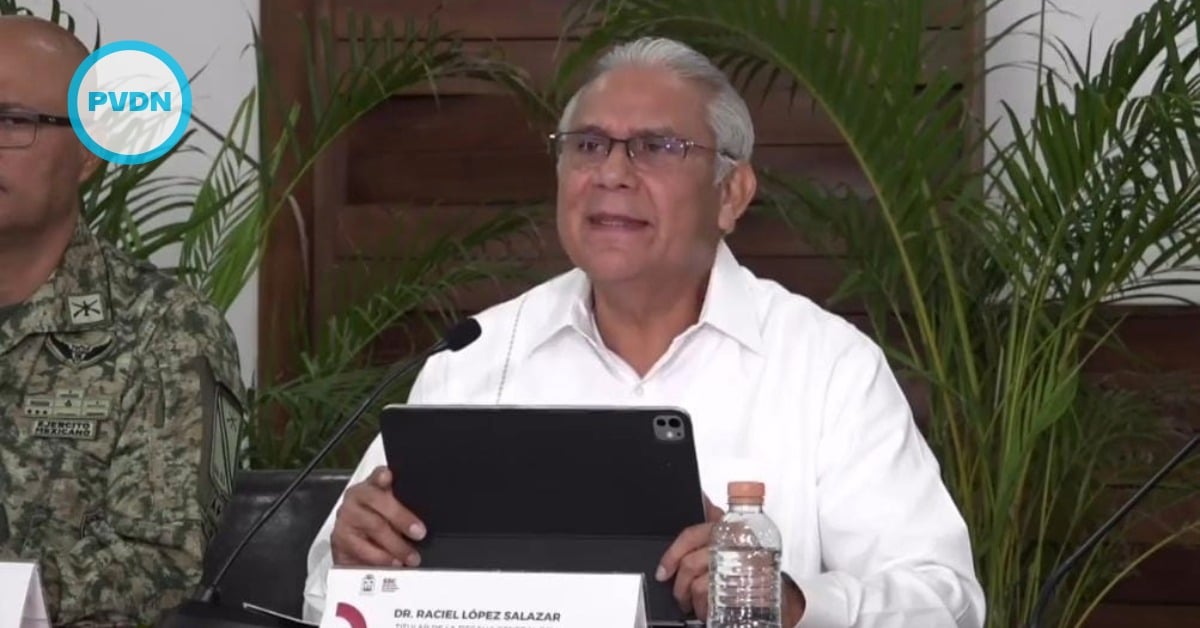
On Monday, October 20, 2025, Quintana Roo’s attorney general said a national criminal group tried to set up operations in Playa del Carmen with a blunt goal: eliminate rivals. He described a cell led by a woman known as “La Michel,” and said authorities detained 13 alleged members and seized 18 firearms in recent months during joint operations. The remarks came at a local security briefing in Playa del Carmen, where officials framed the arrests as preemptive, not reactive, to protect the city’s daily life and tourism economy.
What prosecutors say the cell came to do
The prosecutor said the group arrived trained and ready—allegedly from rugged areas of Jalisco, Michoacán, and Nayarit—with orders to erase competing crews. He added that “La Michel” sought to become plaza boss in the city. Authorities say the crackdown netted 18 guns, including M4-type rifles, plus magazines. The account surfaced at a city security update where officials emphasized coordination between the state’s police and prosecutors; local coverage of the briefing reflects that message and the numbers announced. For context, see one outlet’s write-up of the same statements delivered Monday morning.
The public explanation matters. Playa del Carmen is a resort city where tourism and everyday routines share the same streets. When authorities say a national group tried to dig in, residents hear a warning: the violence other corridors endure could creep closer unless pressure stays constant. Officials, for their part, cast the recent arrests as proof that pressure is working. A second local report mirrors the same details—the figure of 13 detainees, the weapons seized, and the claim that the crew came to uproot rivals.
History suggests vigilance, not victory laps
This isn’t the first time Playa del Carmen has seen coordinated arrests tied to attempted control of street-level markets. In mid-August, eight people were detained in operations that, according to authorities, turned up long guns, handguns, and drugs—an episode separate from Monday’s briefing but instructive about cadence: pressure rises, arrests follow, and crews test the lines again.
So what changes now? If prosecutors are right, this cell’s aim wasn’t just to sell; it was to dominate. That raises the stakes for neighbors and businesses who notice the small shifts first: extra patrols on a familiar corner, a bar closing early, a street that suddenly feels watched. For the city, the near-term test is whether those signals fade with the arrests—or whether a new face shows up to try again. Authorities say they’ll keep pushing joint operations; residents will judge the success by what they see on their block and along Fifth Avenue at night. The coming weeks will tell whether the wall holds.