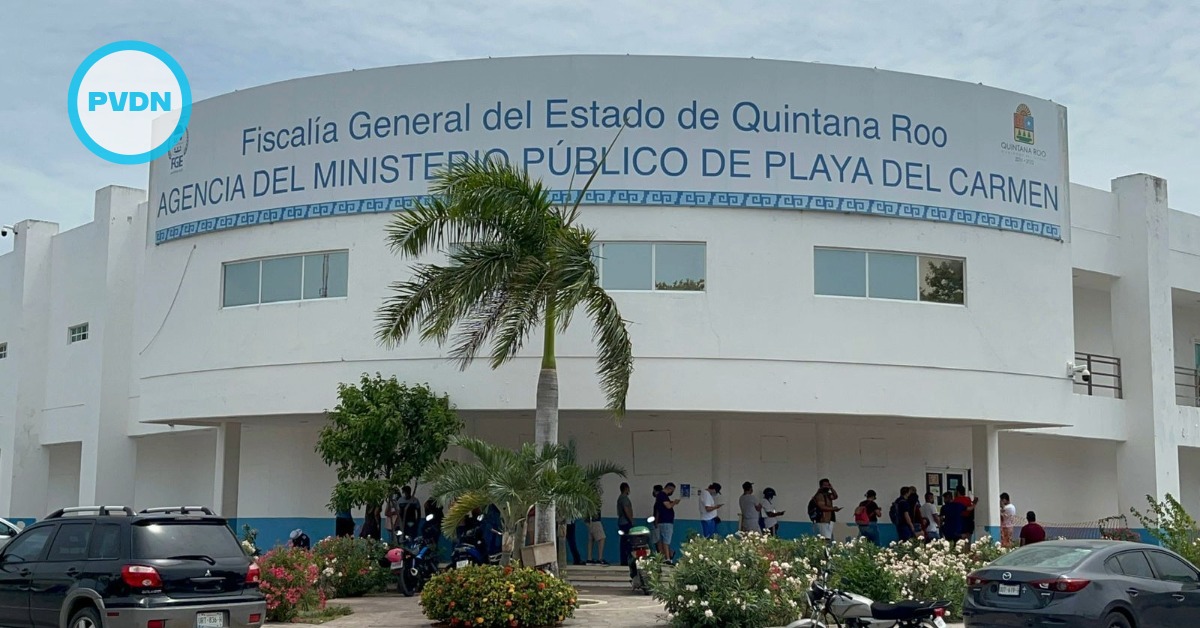
At least 16 people have been reported missing in Playa del Carmen since October, according to national registries cited by Por Esto! on Sunday. The latest wave included teenagers and a 16-year-old girl, last seen on November 4, whose search file circulated widely.
Over the weekend, authorities said that 16-year-old Jade Crismerli Rosado Carrillo was found and her alert was deactivated, a relief for relatives following days of uncertainty. Even so, the sequence of new reports—and the number of open cases—keeps pressure on investigators.
The pattern sits inside a broader state-level crisis. In the first three quarters of 2025, Quintana Roo logged roughly 887 disappearance reports, outpacing 2024 over the same period, with minors a significant share of alerts. Playa del Carmen alone has tallied around 80 cases this year, according to press tallies based on public records.
Playa del Carmen disappearances
Numbers can blur the human stakes. “Disappearance” in official data covers a wide arc: from brief “non-located” cases that resolve to serious crimes under investigation. Mexico’s public dashboard breaks down counts by municipality, date, age, and sex, but case-level details vary, and not all alerts mean an abduction or organized-crime link. The nuance matters when a tourism city confronts rising fear while investigators weigh multiple possible causes.
Recent files in the Riviera Maya included teenagers and young adults. In one October case, a 16-year-old boy reported missing in Playa del Carmen was later found dead, a grim outcome that underscored families’ calls for faster searches and better prevention. Those pleas are growing louder as high season nears and more temporary workers and visitors arrive.
As for the 16 reports since October, Por Esto! traced them to the national search registry and state-level alerts. Our review matched that spike, including multiple adolescent alerts registered in early November across the northern municipalities. The specific trajectories differ—some cases resolve quickly; others do not—but the velocity of filings is what families describe as new. Por Esto!’s count is consistent with the trend line we found.
What the numbers do and don’t say
Quintana Roo’s disappearance problem now sits inside a national reckoning. In 2025, the U.N. Committee on Enforced Disappearances activated Article 34—a rare procedure triggered when there are indications of generalized or systematic disappearances—and later clarified how it would proceed. Mexico’s government has pushed back, arguing most cases are tied to organized crime, not a state policy. Those contrasting positions frame the conversation as families insist on searches that move faster and on data that explains the surge.
For Playa del Carmen, the takeaway is simple and human: the city’s lifeblood is still tourism, but residents’ peace of mind depends on what happens between a missing-person filing and a safe return. Playa del Carmen disappearances are not a single story; they are many families’ stories unfolding at once. The more transparent the numbers—and the quicker the alerts translate into coordinated searches—the better the odds of turning today’s fear into tomorrow’s good news.