Playa del Carmen officials say they’re moving from talk to action on gentrification. A senior city planner told a Mexico City real-estate forum the municipality is updating its Urban Development Program, formalizing vacation-rental rules, and creating a local trust to fund park upkeep with revenue from small donated parcels. The pitch: channel investment without pricing out workers or harming the fragile underground rivers that run under town. Supporters call it overdue. Skeptics want to see enforcement, not just new acronyms.
What the city is putting on the table
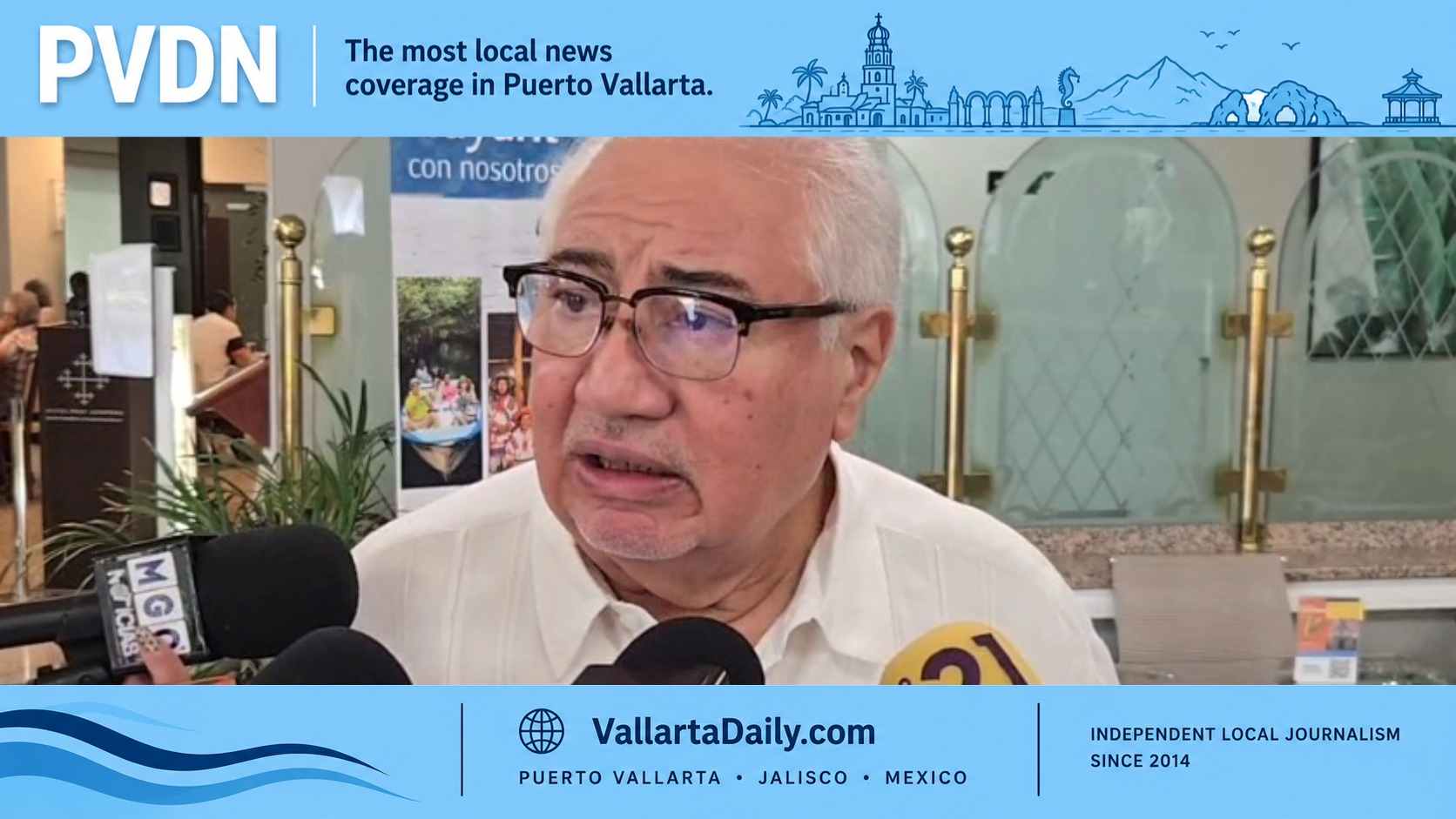
Playa del Carmen’s message this week was blunt: growth isn’t stopping, but it has to stop pushing residents out. At the EXNI real estate summit in Mexico City, the city’s secretary of land-use planning, Hernán González, said the administration is updating the Urban Development Program to protect housing zones, manage tourism density, and regulate vacation rentals without banning them. He framed the plan as a balance—locking in tourist demand while keeping long-term homes and services in place.
González also described a municipal trust fed by revenue from more than 200 small parcels previously donated by developers. Those slivers aren’t ideal for schools or clinics, he said, but can be leased to fund parks with lighting, guards, and Wi-Fi. Separate reports this year indicate the city has been auditing and recovering municipal land, a backdrop that makes the trust proposal plausible and testable if land-use records are published.
Playa del Carmen gentrification
The term carries baggage in Mexico’s beach towns, where short-term rentals and speculative towers have rewritten neighborhoods in a few years. Quintana Roo’s 2024 Tourism Law reforms gave the state and municipalities clearer authority to require Civil Protection clearances, business licenses, and a seat on the state tourism registry—levers that become real only when cities apply and enforce them. Playa del Carmen’s team says it will, tying enforcement to the new planning map and rental rules. The timeline now matters more than the talking points.
One layer here isn’t about rent at all, but water. Officials warned that irregular settlements at the city’s south end risk dumping sewage into the web of underground rivers beneath the urban grid. That’s an environmental argument for formalizing housing and infrastructure, not just a social one. If the development program forces sewer hookups where density is allowed—and stops it where geology says no—it could cool some of the heat around “gentrification” by framing part of the map as non-negotiable public safety.
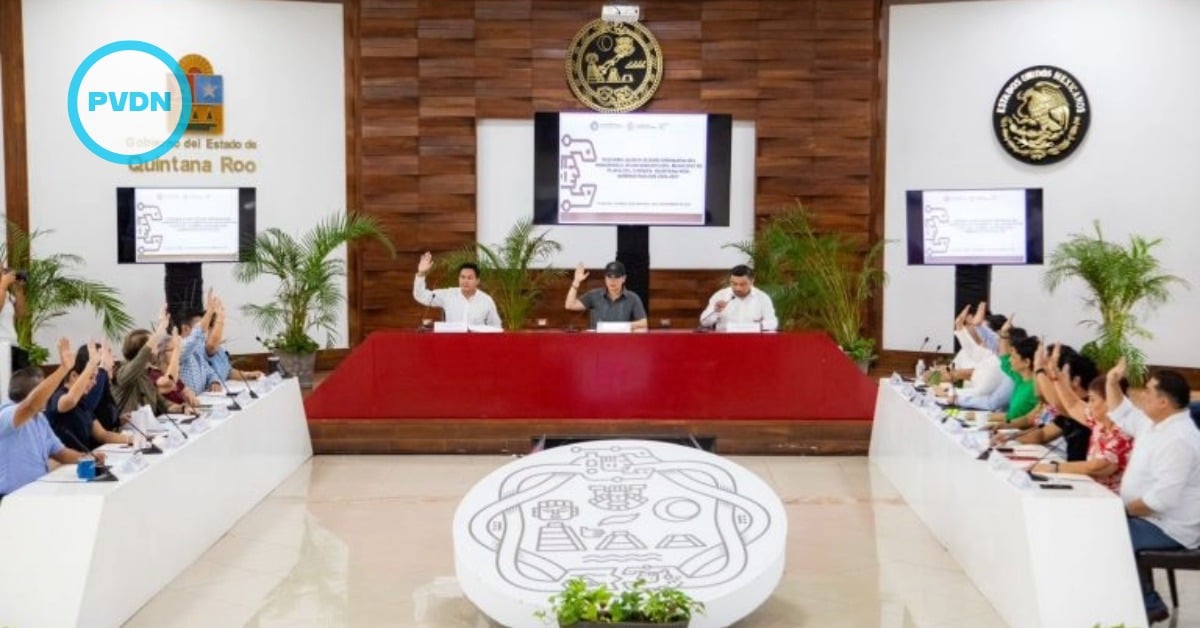
Half a year of city hall notes show the administration aligning procedure with that rhetoric: council sessions accepting new land donations, a parks-and-domes refurbishment push, and a public page listing planning instruments for 2024–2027. None of that guarantees fair outcomes, but it creates documents citizens can cite when a project ignores its block’s rules. In fast-building towns, paper trails are powerful.
What to watch next
Enforcement on short-term rentals will be the tell. The state framework already exists; Playa del Carmen can now require municipal operating permits, Civil Protection compliance, and host registration. That won’t erase platforms, but it can level costs between hotels and home-shares and push ghost inventory back into the long-term market at the margins. Expect the first flashpoints where owners try to legalize units in streets that the new plan reserves for housing first.
Politics will matter too. Business groups have sent mixed signals—some urged order on Fifth Avenue and clearer rental rules last year, while others pitch “gentrification” as modernization. Residents, priced out by wage-tourism math, will judge this package on rent and commute time, not slogans. If the city publishes draft maps early, shows how park money flows, and ties permits to infrastructure, it has a chance to shift the conversation from who belongs to what works. That’s the standard this plan now has to meet.