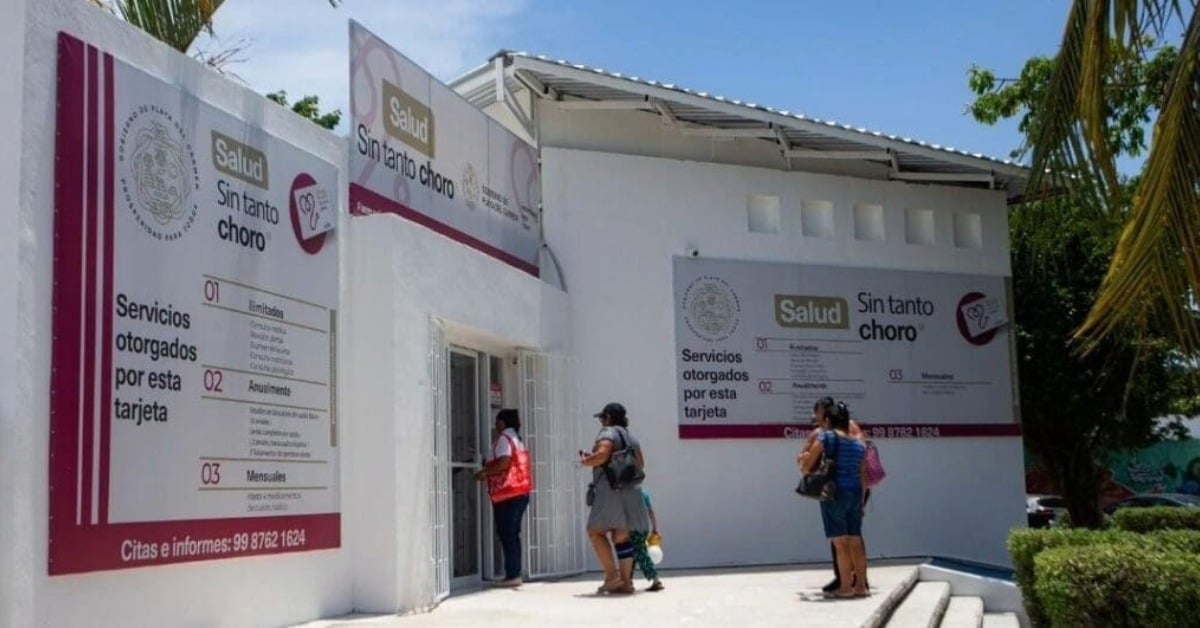
Playa del Carmen, QR – Playa del Carmen health campaign success is emerging as more than a slogan—it’s becoming measurable progress in the city’s neighborhoods. Playa del Carmen city health officials are pointing to early wins in a broad public health and nutrition push aimed at children and families, saying the program is changing habits and easing stress in households across the municipality.
Launched earlier this year under Mayor Estefanía Mercado’s administration, the “Nutrición para Todos” initiative blends nutrition education, physical activity, community access to healthy food, and mental health support. According to the municipal Health Secretariat’s latest internal report, more than 1,800 residents—primarily children ages 6 to 12 and their parents—have taken part in workshops and wellness talks since January. About 70% of participants have self-reported improvements in diet and daily energy, and city staff note a parallel dip in stress indicators in feedback surveys.
Officials framed the effort as prevention before crisis. Municipal Health Secretary José Antonio Uribe emphasized that the city’s recent health survey, which flagged that 46.7% of evaluated residents were classified as obese, made a prevention-first strategy urgent. “Our priority is to make health part of daily life from pregnancy to old age,” Uribe said, underscoring that obesity is not just a statistic but a risk factor tied to chronic illness and diminished quality of life.
The campaign includes several branded pillars. Families are encouraged to take part in the “Reto 21,” a 21-day fitness challenge designed to build simple, sustainable movement habits together. The Comer Bien, Vivir Mejor workshops teach households how to grow and prepare traditional nutritious ingredients, pairing cultural food knowledge with practical cooking demonstrations in community gardens. Outreach has extended beyond static venues: mobile farmers’ markets bring fresh produce into lower-income neighborhoods, lowering the friction between intention and access.
Health officials have intentionally integrated mental health and violence-prevention education alongside physical health, operating under the tagline “No judgement, just support.” That framing, they say, reduces stigma and keeps participation high. Staff from DIF social services, education, sports, and other departments collaborate in a cross-agency structure that program leaders credit with amplifying reach and credibility.
Residents who attended the workshops described practical shifts: families adjusting portion sizes, swapping processed snacks for fruits and local vegetables, and parents modeling daily activity to their children. The combined messaging—linking food, movement, and emotional well-being—has, according to municipal updates, helped some households reframe health as a shared family routine rather than an individual burden.
City officials are cautious but optimistic. Early data is self-reported and intended to guide refinements; deeper outcome tracking is planned for later in the year. Still, the visible engagement—workshop attendance, participation in fitness challenges, and the use of community garden spaces—signals a behavioral trend that municipal leaders believe can be built on.
Beyond immediate indicators, program managers are pitching the campaign as a resilience strategy. By normalizing preventive care, strengthening social supports, and embedding healthy food access into the urban fabric, they argue Playa del Carmen can blunt future healthcare costs and improve long-term quality of life for families across income levels.
Critics in other municipalities have urged caution about overpromising and have called for transparent publication of longitudinal results. In response, local officials say they will publish follow-up reports with clearer metrics and intend to use feedback loops from participating communities to adjust programming.
For now, parents like María López, whose two children joined the Comer Bien workshops, are reporting small but meaningful changes. “We used to eat what was quick,” she said in a city media summary, “now we cook together, and even my son has started helping in the garden.” Such stories, officials say, are the leading edge of what they hope becomes a broader cultural shift around health in Playa del Carmen.
If sustained, the Playa del Carmen health campaign success could become a model for other growing coastal cities facing rising chronic disease burdens tied to urbanization, tourism pressure, and unequal food access. City leaders are positioning the program as proof that coordinated, low-cost prevention work can yield early returns and lay the groundwork for longer-term public health gains.