Vacation rentals in Playa del Carmen are on the verge of becoming part of the city’s formal safety regime. As part of the proposed 2026 Ley de Ingresos, the municipal income law, authorities plan to fold routine inspections of short-term rentals into the same framework that governs local fees and permits.
The city’s civil protection department is pushing the measure after years of concern about gas leaks, overcrowded units, and a lack of basic fire equipment in many properties marketed on digital platforms. Under the proposal, inspectors would be allowed to verify gas installations, confirm occupancy levels, and check for simple prevention tools such as charged fire extinguishers and marked exits.
A key piece of the plan is a requirement that hosts obtain an independent gas-safety report, known locally as a dictamen de gas. That document, issued by an accredited verification unit, certifies that a property’s gas system meets national safety standards and has no obvious leaks or structural risks. The obligation, which already exists for many businesses, would now be spelled out for homes rented to tourists.
City officials say the initiative has already been approved by the municipal council and is now in the hands of Quintana Roo’s state Congress. Lawmakers there must decide whether to ratify the new income law and its safety clauses for Playa del Carmen, along with other fiscal measures for 2026.
Playa del Carmen rentals
The push for tighter rules does not come out of nowhere. In late 2024, civil protection authorities in Playa del Carmen began reviewing local regulations with an eye on vacation rentals, after reporting a rise in LP gas leak calls and acknowledging that this type of lodging had grown faster than the rules around it.
At the same time, local hotel associations were pressing for “piso parejo” in the tourism market. They argued that hotels must comply with strict civil protection programs, emergency drills, and hurricane protocols, while many apartments listed on platforms such as Airbnb operated with little oversight. Hotel leaders have cited cases where gas tank explosions in rental homes injured guests and neighbors, turning a private mishap into a street-level emergency.
Civil protection has also linked the debate to emergency planning. Playa del Carmen sits on a hurricane-prone coast, and the city uses tools like the Guest Locator system to track where tourists are staying when a storm approaches. Hotels participate as a matter of course. Many vacation rentals do not, making it harder for authorities to know how many visitors need help evacuating from a given block or neighborhood.
By December 2024, the department had announced a full review of municipal rules as a precursor to field operations. Officials said one of the first steps would be updating the census of short-term rentals. The last full count, carried out under a previous administration, found about 14,000 properties; hoteliers now estimate around 18,000 units in the Playa del Carmen area.
What the new rules mean for hosts and guests
If the 2026 income law is approved with the safety language intact, the main change for hosts will be procedural but real. To stay compliant, owners would need to commission a gas inspection from a certified verification unit and keep the resulting dictamen de gas on file. These inspections evaluate tanks, valves, piping, and regulators, and they must follow official standards such as NOM-004 for LP gas systems. The same reports are already used across Quintana Roo to obtain or renew operating licenses for restaurants, hotels, and other businesses.
Civil protection personnel would then be able to visit registered rentals, verify that the gas report is current, and check that any recommendations have been addressed. Inspectors could also confirm that extinguishers are present and functional, that first-aid kits and emergency numbers are visible, and that the number of guests actually staying in a unit does not exceed what was declared. Those duties mirror broader obligations set out in Quintana Roo’s reformed Tourism Law, which since 2024 has required all tourist service providers, including digital-platform rentals, to register in the RETUR-Q state registry, obtain a license, and meet civil protection standards.
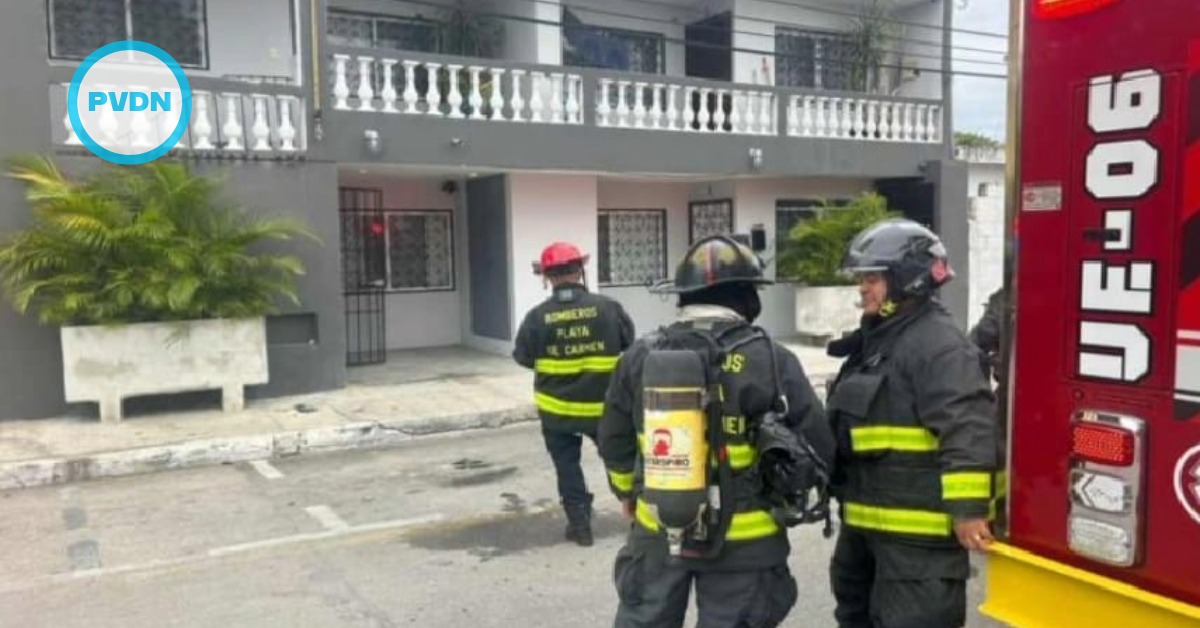
On the guest side, the shift is about making invisible risks more visible. In November 2025, for example, firefighters evacuated a small vacation apartment building in the Aviación neighborhood after a strong smell of gas was reported. Crews traced the problem to an LP leak near an upstairs unit and cleared the structure while they brought the situation under control. No one was hurt, but authorities described it as a near miss in a dense residential area.
Statewide, the vacation rental sector has become big business. Industry estimates peg its annual value in Quintana Roo at more than half a billion dollars, with thousands of units spread from Cancún to Tulum. At the same time, professional managers warn that a combination of new regulations and softer demand could trim average occupancy by several percentage points heading into 2026. They point to requirements for municipal operating licenses, formal tax registration, and civil protection compliance as key costs hosts must now absorb.
The Playa del Carmen proposal sits squarely in that tension between safety and flexibility. For civil protection, the priority is to reduce the chance that a gas leak, fire, or hurricane catches guests and neighbors in unregulated buildings with no clear plan. For many hosts, especially those managing only one or two units, the new rules could mean extra paperwork, inspection fees, and possible upgrades to aging gas systems.
What is clear is that the informal era for a large share of Playa del Carmen rentals is coming to an end. As the 2026 income law moves through the state Congress, hosts, neighbors, and travelers will be watching to see how aggressively the city enforces its new powers—and whether safer stays can be delivered without pushing too many properties out of the market.