A small urban cenote near Selvanova has become one of Playa del Carmen’s most difficult cleanup sites. Authorities say crews are removing far more waste there than at other cenotes, and environmental groups have pushed for a physical barrier to stop repeat dumping. The proposal is now under review, but officials say there is no dedicated municipal funding for the work yet.
Playa del Carmen weighs barrier for polluted cenote
Playa del Carmen environmental officials are considering a fence, gate, or perimeter wall for the cenote known as El Sueño de Alicia, after cleanup groups identified it as one of the city’s most trash-affected water bodies.
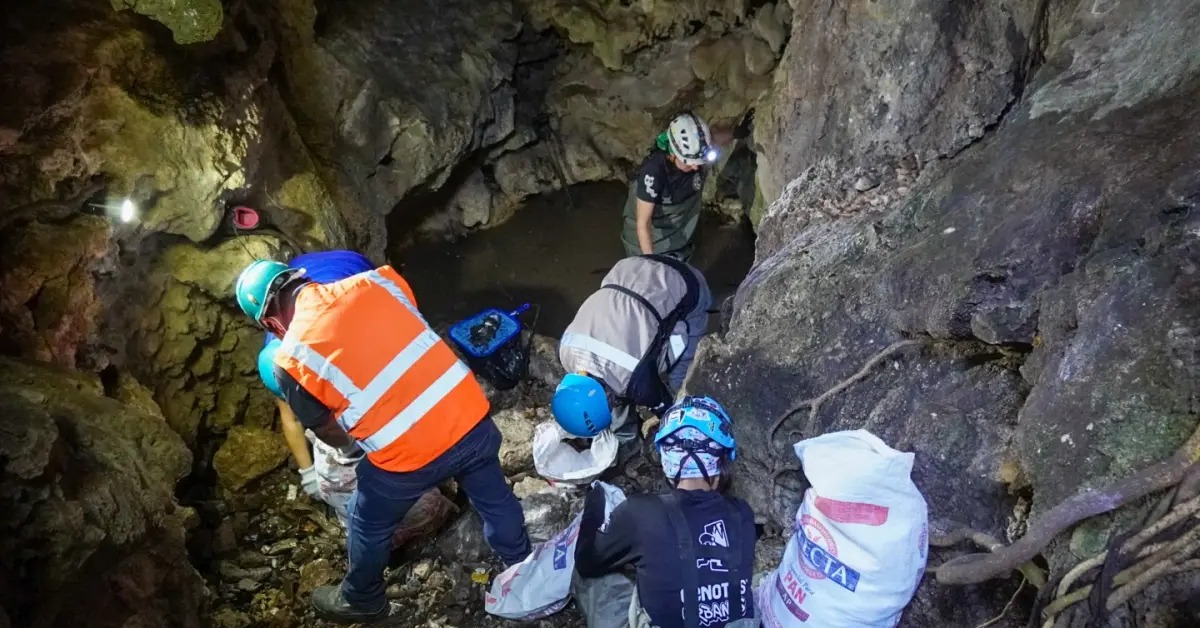
The cenote is located along Avenida Paseo del Mayab, near the entrance to the Selvanova residential area. Local cleanup groups and municipal staff have removed more than 600 kilograms of waste from the site, according to environmental officials.
Julio César Peralta Bazón, deputy director of Climate Change in the municipal Environmental Management and Climate Change office, said the measure was requested by the group Cenotes Urbanos. The goal is to restrict access and stop the site from being used as an informal dump.
Cleanup numbers put El Sueño de Alicia apart
Officials said cleanup work at other cenotes in the municipality typically produces more than 200 kilograms of waste. At El Sueño de Alicia, the total has been roughly three times that amount.
The problem has been reported before. In April, activists said the cave had become a clandestine dumping site. At that time, cleanup volunteers said they regularly removed more than 300 kilograms of trash per cleanup, with some efforts exceeding 700 kilograms.
The waste reported at the site has included food scraps, bones, and other refuse. Environmental groups have linked some of the dumping to nearby street vendors, though the article does not identify any specific businesses or people.
No dedicated budget yet
The proposed protection work does not yet have money assigned in the municipal budget. Officials said they are seeking partnerships with foundations and civic organizations to implement the barrier or enclosure.
The plan would be similar to the protections used at other urban cenotes in Playa del Carmen. Officials cited the example of a protected cenote in the Santa Fe area.
Municipal environmental authorities also said cleanup crews have worked at more than five cenotes so far this year, collecting more than 1,000 kilograms of solid waste across those sites.
The immediate issue is whether the city can move from repeated cleanups to a physical control measure to prevent the same dumping from recurring.