A beach souvenir can seem harmless until it is not. Playa del Carmen officials say they plan to reinforce signs at public beach entrances after tourists were reported removing conch shells from Playacar. The case comes as Quintana Roo is under seasonal protections for several conch species, serving as a broader reminder to visitors and residents: what is found on the beach may still be part of a living coastal system.
Playa del Carmen to Add Warnings After Shell Removal
Playa del Carmen officials said they will reinforce beach-access signs after tourists were reported removing conch shells from the Playacar area.
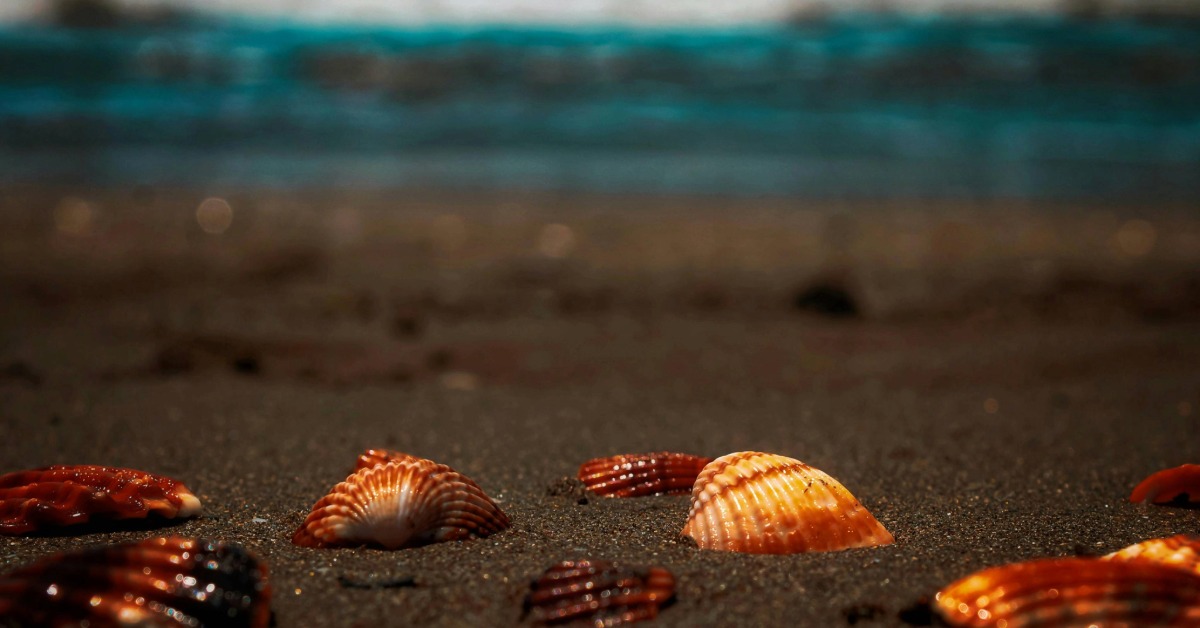
The case began with a social media complaint alleging that foreign visitors were taking shells from the beach. Some of the shells were described as large and still being used by crabs. Other beachgoers reportedly objected, but the visitors did not return the shells.
Local officials said the goal is to make the rules clearer at beach entrances. The new signs are expected to warn visitors about the possible legal consequences of removing marine life or protected shells from coastal areas.
Fernando Muñoz Calero, a city council member focused on ecology and the environment, said some foreign visitors may not be familiar with the rules. Still, he said, the lack of knowledge does not remove responsibility.
Conch Species Are Under Protection in Quintana Roo
The warning comes during an active protection period for several conch species in Quintana Roo.
Federal fishing restrictions began May 1 for several species, including pink conch, lancet conch, tomburro, and chactel. These measures are used to protect reproduction and allow marine populations to recover.
For many visitors, a shell may look like a simple souvenir. On the beach, however, shells can still serve a purpose. Some are homes for hermit crabs and other small animals. Others break down naturally and become part of the beach environment.
That is why officials are trying to make the message more direct. The issue is not only about taking a decorative object. It can involve wildlife, protected species, and coastal habitat.
A Reminder for Visitors and Residents
Playa del Carmen receives large numbers of visitors who may not be familiar with Mexico’s environmental rules. That creates a communication problem for beach destinations that depend on tourism but also need to protect fragile coastal areas.
Officials said better signs could help prevent violations before they happen. Clear warnings at beach entrances may also reduce confusion for residents, hotel guests, and day visitors.
The rule of thumb is simple: shells, sand, coral, starfish, and marine animals should be left where they are found. Visitors who are unsure should ask local authorities, lifeguards, or beach staff before touching or removing anything from the shoreline.
The Playacar case also shows how quickly beach behavior can become a public issue. A single video or complaint can bring attention to practices that many people may consider minor.
For Playa del Carmen, the response now appears focused on prevention. The city is expected to use signage and public information to remind visitors that the beach is not only a place for recreation. It is also part of a protected coastal ecosystem.