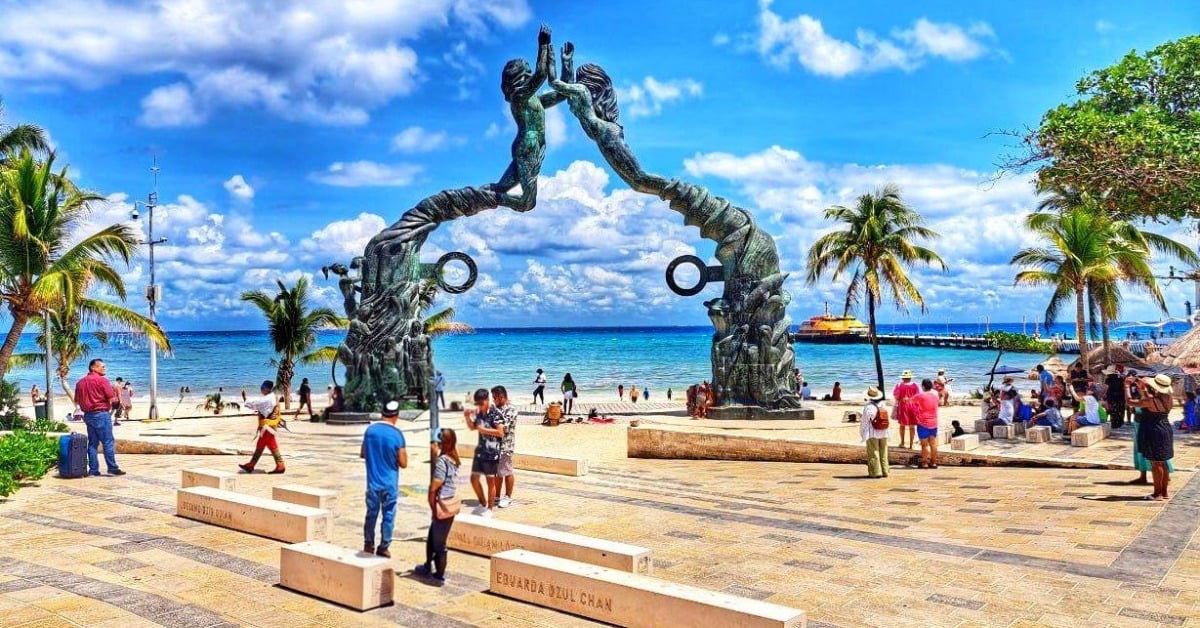
Playa del Carmen tourism is hitting a rough patch. On Quinta Avenida, workers describe empty tables and days at the beach without buyers. Statewide hotel averages look stable on paper, yet Riviera Maya numbers lag, and smaller properties are hurting. Passenger counts at Cancún Airport haven’t collapsed, which raises a sharper question: where are visitors spending their money if not in town? The answer points to two realities at once—more all-inclusive stays and a season shift that arrived early, leaving street-level businesses exposed just when bills come due.
Playa del Carmen tourism
The story on the street is simple. Many workers say the summer felt like no vacation at all. Restaurants along the coast reported quiet dining rooms and light checks. Beach vendors described days with more locals than travelers and little appetite to spend. Their hopes point north: they expect U.S. visitors to steady the fall.
What the numbers show this summer
Across Quintana Roo, hotel occupancy averaged roughly the high-60s during the summer. Inside that statewide figure, the Riviera Maya underperformed. Local reporting placed Riviera Maya occupancy in the high-50s to low-60s late in August, well below last year’s summer pace. Industry outlets also flagged a double-digit year-over-year drop for the corridor earlier in the season.
A mismatch between arrivals and street traffic
Airport data does not tell a collapse story. Cancún’s operator reported modest year-over-year growth in July passengers. That can coexist with slow sidewalks if visitors cluster in all-inclusive resorts or shift nights to other hubs. In mid-July, one local outlet captured this split: strong occupancy at large all-inclusive hotels versus weak figures at smaller lodgings in Playa del Carmen.
Why the U.S. market matters
Workers in Playa del Carmen point to U.S. travelers as the buyers who keep tills ringing. National air-arrival data back that dependence: Americans consistently make up the majority of international visitors by air to Mexico. When U.S. demand softens—or when it skews toward resort-bound packages—street businesses feel it first.
Seasonality, schools and an early low season
The school year in Mexico starts on September 1, and that reliably cools domestic travel. This year’s low season arrived early along parts of the coast, according to industry coverage, with Riviera Maya and Tulum lagging Cancun as summer wound down. That timing helps explain why workers saw “vacation” weeks that didn’t translate into sales.
Sargassum and the smell factor
A separate drag this summer was sargassum. In Playa del Carmen, repeated landings necessitated constant cleanup, and on some stretches, produced odors that drove people off the sand and away from open-air dining. Workers requested that authorities prioritize beach cleaning over events. For front-line staff living day-to-day, fewer beachgoers means fewer tables turned.
What to watch next
September and October are typically leaner months, and hotels often respond by implementing forced rest days and shorter schedules. Local reports suggest that those measures are already in motion in the northern part of the state. If fall airlift holds and beach conditions improve, U.S. travelers could still bring a late-season bounce. But unless that spending reaches smaller hotels and street-level businesses, the gap between headline numbers and local livelihoods will remain.