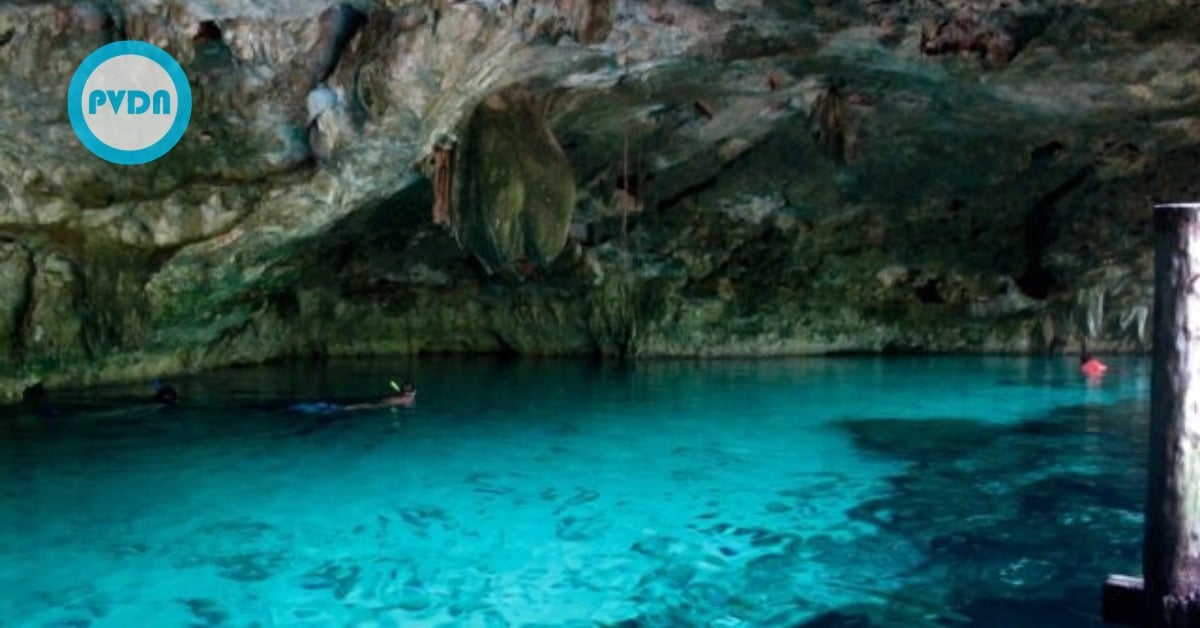
Playa del Carmen is known for its postcard-perfect turquoise water and lush jungle pools. A new study says the picture has a crack. Researchers working with Centinelas del Agua found nutrient pollution in cenotes and urban wells, and they link it to sewage that never gets properly treated. That matters for both health and tourism. Nutrient-rich water can feed algae, push reefs into trouble, and stain the coast’s reputation. Officials highlight new projects, but the data suggests that the basics—pipes and treatment—still require urgent attention.
Playa del Carmen water contamination
Playa del Carmen’s groundwater is showing stress. A study presented by Centinelas del Agua reports elevated nutrients in cenotes and urban monitoring wells, conditions consistent with wastewater leaking through the porous limestone beneath the city. Researchers warned that the area’s single, connected aquifer leaves little room for error. What goes into the ground here doesn’t stay put.
The team highlighted fundamental infrastructure gaps. In the Luis Donaldo Colosio area, many homes still lack a sewer hookup. Five families were recently connected as part of the project, but at least 168 lots in the study remain off-grid—too big a hole for piecemeal fixes to close.
Why does that matter beyond a lab readout? Nutrient-rich water doesn’t stop at the city line. It moves seaward, where it can fuel macroalgae blooms and worsen the coastal sargassum problem. That link, long discussed by scientists, underlies the report’s call for tertiary-level wastewater treatment and strict adherence to environmental standards. The warning lands as Mexico’s updated wastewater rules still leave notable gaps for runoff and reef protection along the Caribbean.
Health risk is the other half of the story. Cenotes and shallow domestic wells are an integral part of daily life, not just a postcard attraction. In a karst landscape, contaminants travel fast through underground cracks and caverns. Federal beach testing shows most Quintana Roo beaches were “aptas” for swimming this summer. That’s good news for the shore, but it doesn’t cancel the red flags inland. The study’s message is straightforward: address the root causes, not just the symptoms.
City officials, meanwhile, are pitching a “Cenote Corridor” to boost nature tourism across the region. It could spread visitors and money beyond the coast. But that brand only works if the water is clean. The tourism push and the groundwater cleanup must move in tandem, or one will undermine the other.
What changes are on the table
Centinelas del Agua’s takeaway is not abstract. It’s pipes, treatment, and enforcement. The primary benefit is connecting neighborhoods that still discharge to the subsurface and upgrading plants to tertiary treatment, so nutrients are removed before the water returns to the ground. Those steps are costly and invisible to most visitors, but they are the work that keeps cenotes safe to swim and reefs alive offshore.
Operators say they’re investing. The private concessionaire has publicized sewer upgrades and a “Drenaje Sano” campaign across the northern corridor. Progress is real, residents say, but the scale of the backlog—hundreds of lots without service in just two neighborhoods—shows why alarms keep sounding. Closing that gap is the difference between isolated wins and a cleaner aquifer.
First, the data. Authorities publish regular beach-water results and now promote a national “Playas MX” app that tracks Enterococcus levels along the coast. Keep using those tools, but remember they measure the shoreline, not cenotes or wells. Second, follow whether Solidaridad moves ahead with tertiary treatment, faster sewer hookups, and tighter oversight of new builds. In a connected aquifer, prevention is the only cheap option. Everything else gets expensive fast.