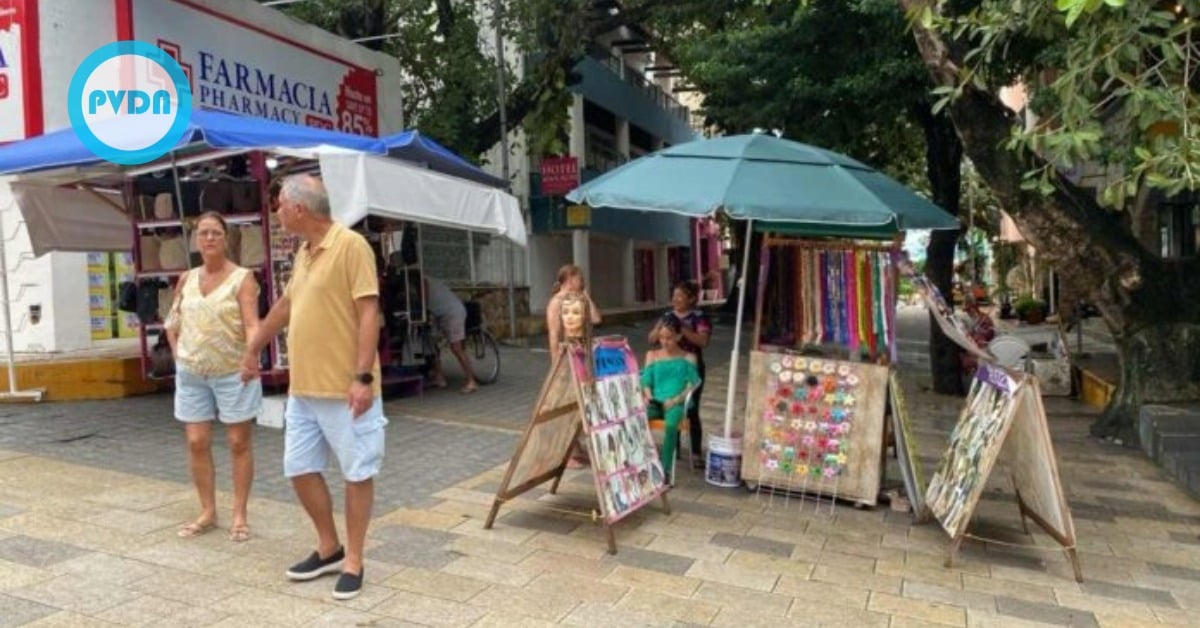
Playa del Carmen officials say they’re done with whack-a-mole crackdowns. Instead, the city is preparing a program to regularize street vending—organizing who can sell, where, and under what permits—so sidewalks flow and tourist corridors breathe again. It’s a shift toward rules and registration over surprise raids, and it lands just as high season approaches. Vendors with papers, provisional permits, or none at all are expected to be pulled into a single registry, with more precise enforcement lines on Fifth Avenue and beyond.
The city of Playa del Carmen is preparing a plan to bring order to street vending, promising registration, updated vendor data, and more explicit rules focused on easing congestion in tourist corridors rather than staging headline-grabbing sweeps. Local officials frame the move as urban housekeeping: better image, safer sidewalks, and less chaos where crowds and sellers collide. It’s a policy pivot toward rules over raids, and it comes as the city braces for the busy season.
Regularize street vending
What’s new isn’t the idea of enforcement but the emphasis on folding everyone—registered sellers, provisional permit holders, and those currently operating outside the rules—into one formal padron. In September, authorities outlined this approach and signaled that the aim was to regularize “everything,” providing inspectors with a single source of truth. At the time, local estimates put the number of ambulant vendors at roughly 1,500, compared to approximately 14,000 brick-and-mortar businesses, a scale that makes ad-hoc enforcement both costly and uneven.
The legal backbone already exists. Solidaridad’s regulation for commerce in the public way restricts permits in the core tourist area—including stretches of Fifth Avenue—precisely to protect pedestrian flow and the city’s showcase image. The forthcoming program doesn’t rewrite that line; it seeks to make it legible and enforceable at street level, with vendors steered into clear categories and locations where selling is allowed.
This year has seen a gradual hardening of routine enforcement. In late August, inspectors reported removing a few dozen irregular sellers without seizing goods, nudging them toward the proper channels rather than punishing them outright. Around the same time, local coverage noted that confiscations target setups without permits, while inviting those in gray areas to come in and regularize their operations. The new program, if implemented as described, would turn those one-off sweeps into a predictable process.
For vendors who decide to go formal, there’s a defined door: the municipal process for obtaining a public-way commerce permit, covering ambulant and semi-fixed operations. It’s bureaucratic, yes, but it provides the shield many sellers lack—especially useful when inspectors arrive with QR-coded IDs and a mandate to check paperwork on the spot. A unified registry paired with scannable credentials could make inspections faster and fairer, and reduce the street-corner arguments that often frustrate both sides.
What success will look like on Fifth Avenue
Success won’t be measured by a single sweep or a few viral clips; it will show up in the mundane rhythm of a Saturday night on Fifth Avenue. If the plan works, pedestrians will flow without zigzags, storefronts won’t be blocked, and licensed vendors will operate with less anxiety because their status is verifiable in seconds. The city has also been rolling out broader urban-order projects—sidewalk fixes, cable cleanup, and better street furniture—that work only if curbs and corners aren’t turned back into ad-hoc stalls. The vending program is the people-management piece of that puzzle.
There are obvious risks. A rigid reading of the rules could squeeze out livelihoods if the city doesn’t offer realistic alternative sites. On the other hand, allowing the gray zone to persist invites more crowding and conflict, which harms merchants and visitors alike. The promised approach—register first, enforce second—offers a middle path. It respects the reality that street commerce is part of Playa’s economy while drawing more precise lines so sidewalks serve everyone. The high-season calendar will be the first real test of whether the city can strike a balance between the two.