In Playa del Carmen, the year isn’t easing in quietly. Restaurants report a strong start to 2026, with steady tourism keeping tables moving and staff busy. But the story isn’t only about visitor volume. It’s also about what people are coming to eat, and how quickly the city’s culinary identity is expanding beyond the expected. From new openings to coordinated dining campaigns, local voices say the momentum could stretch well past the first weeks of January. The question now is how long the buzz can hold.
A high season that’s still running hot
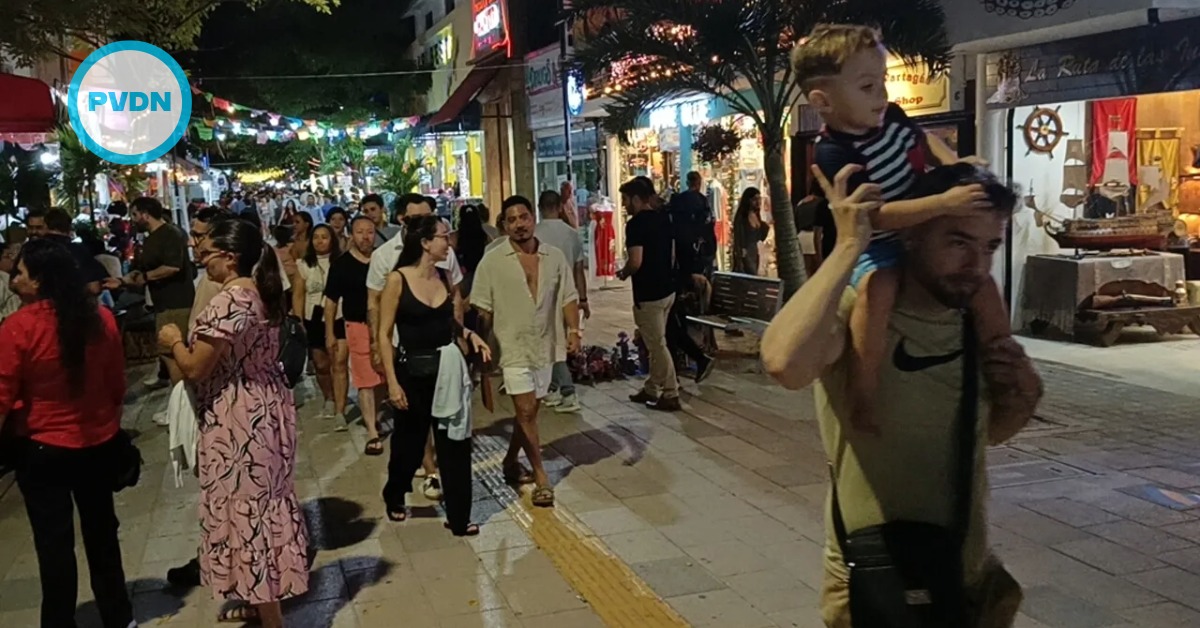
Playa del Carmen has opened 2026 with the kind of street-level energy locals recognize immediately: fuller sidewalks, busier terraces, and restaurants operating like it’s still peak holiday week. Industry representatives say December occupancy hovered around 80 percent, a level that shows up not only in hotel numbers but also in how the city feels after dark, when tables fill quickly, and walk-ins become a gamble.
That strong finish rolled into the New Year period across Quintana Roo, with hotel occupancy remaining elevated through the final week of 2025 and the first days of 2026. Riviera Maya destinations, including the Playa del Carmen area, were among those running near capacity in that stretch, supported by heavy air connectivity through the region’s airports. Even with the natural post-holiday slowdown that usually arrives by mid-January, local restaurant leaders say this year’s “cuesta de enero” has felt less punishing than usual.
Food is no longer an afterthought in the itinerary
The bigger shift, according to chefs and restaurateurs, is that dining in Playa del Carmen is increasingly part of the trip rather than something visitors fit in between beach time and tours. Local representatives describe a culinary scene shaped by both international kitchens and Mexican regional influences, including a visible Yucatán presence that’s become familiar on menus across town. They also point to a steady flow of chefs arriving from outside the region to open new concepts, adding variety and competition that push quality upward.
That same confidence shows up in how the city markets itself. Campaigns like Playa Spice have been framed as more than seasonal promotions, positioning restaurants as headline attractions and giving residents a reason to try places they might normally “save” for visitors. In a destination where tourism often dominates the conversation, the pitch is straightforward: if Playa del Carmen can keep people eating out, it keeps money moving locally, even when broader travel patterns wobble.
What it means for residents and expats right now
For expats living in town, the early-year strength is a mixed bag in the best way. The upside is obvious: more consistency in the local economy, steadier work for staff, and a wider range of places worth revisiting. The tradeoff is the familiar high-season squeeze, from harder-to-get reservations to a city center that can feel one notch above comfortable.
Still, the industry’s local message is optimistic. Even after a year that included notable restaurant churn in prime areas, new openings and planned projects suggest businesses are betting that Playa del Carmen’s dining demand will hold steady. With Mexico heading into a World Cup year and the Riviera Maya expecting additional international attention, restaurant leaders say they’re planning not just for a strong winter but for a longer runway of events and visitor spikes that could keep the tables turning well beyond the first quarter.