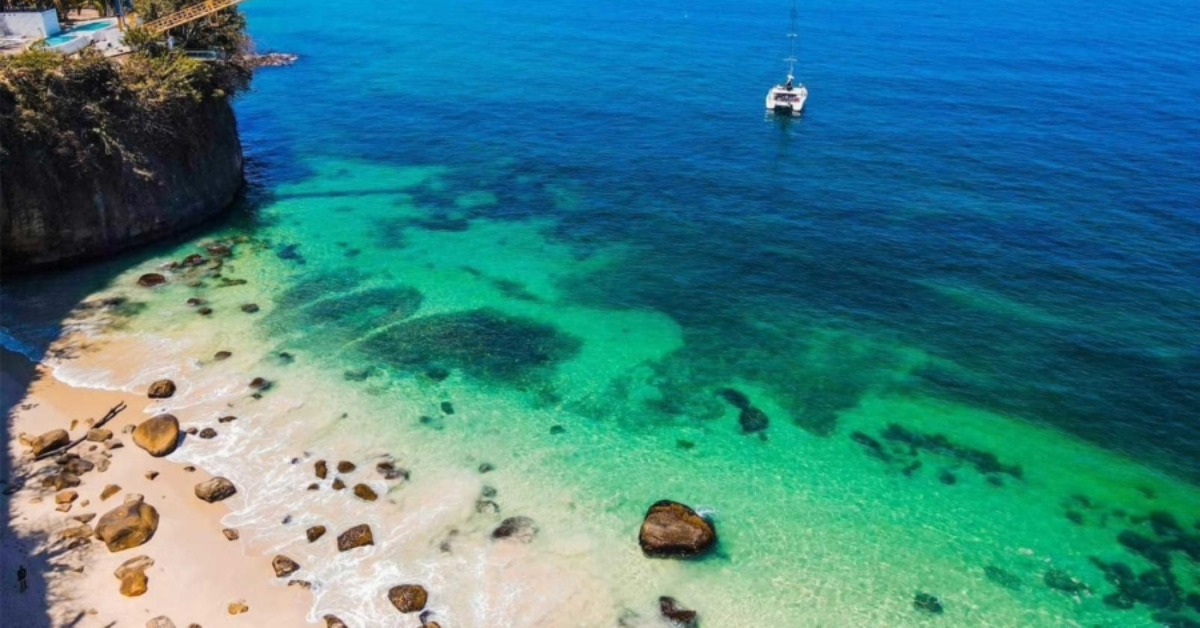
Puerto Vallarta, Jalisco – There’s something magical about discovering a beach that feels like it was meant just for you. In Puerto Vallarta, where the coastline is dotted with world-famous beaches and luxury resorts, finding a hidden cove that hasn’t been swallowed up by tourism is rare. But Playa El Paredón, tucked between rugged cliffs just south of the city, offers a rare and unforgettable escape for those willing to seek it out.
This is not a beach you stumble upon accidentally. It’s one you earn—with a short hike, a sense of adventure, and a desire to get off the grid. And once you arrive, it rewards you tenfold with golden sand, clear turquoise water, and a dramatic cliffside setting that looks like something straight out of a movie.
The Hidden Location Few Know Exists
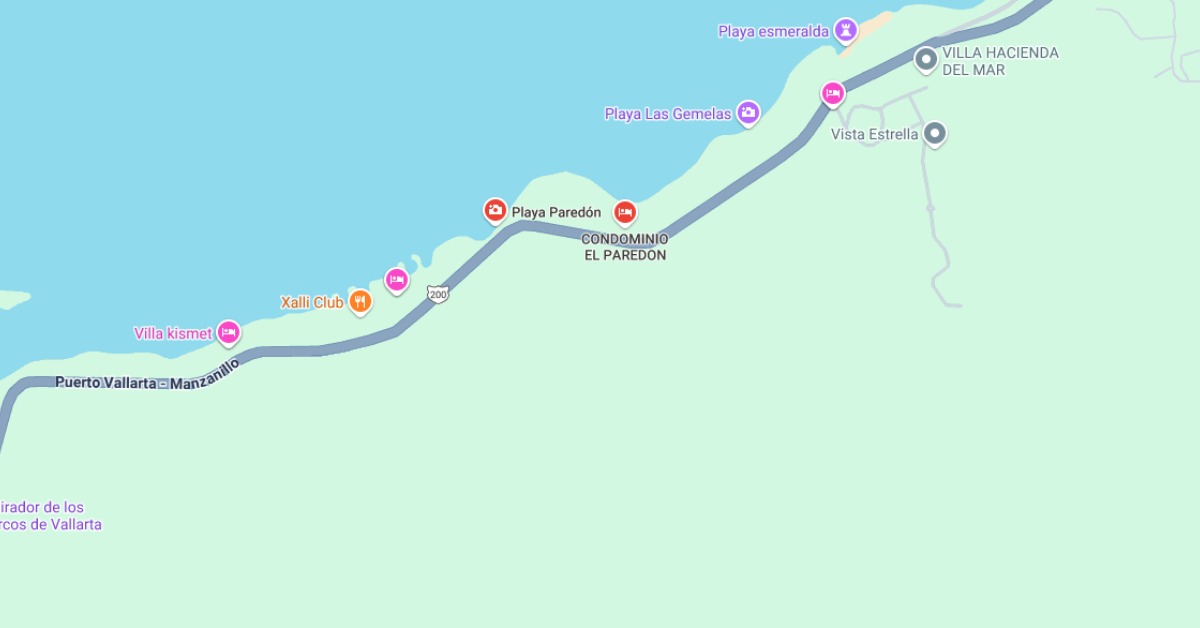
Playa El Paredón sits just past Playa Las Gemelas and before Mismaloya, about 35 minutes south of downtown Puerto Vallarta by car or bus. While it’s not far in distance, the last leg of the journey is where the adventure begins. There are no signs pointing you there. No paved walkways. Just a rugged path that branches off from the more popular Las Gemelas and winds its way over rocks, sand, and uneven terrain.
Some adventurers choose to arrive by water, either by kayak, paddleboard, or boat. That’s a particularly scenic way to approach it—watching the steep cliffs rise from the sea as you glide into a hidden bay. But most visitors hike in on foot, bringing with them whatever they’ll need for the day because there are no vendors, bathrooms, or services of any kind.
It’s not remote in terms of distance, but Playa El Paredón is remote in spirit. And that’s what makes it so special.
A Beach Framed by Cliffs and Carved by Time
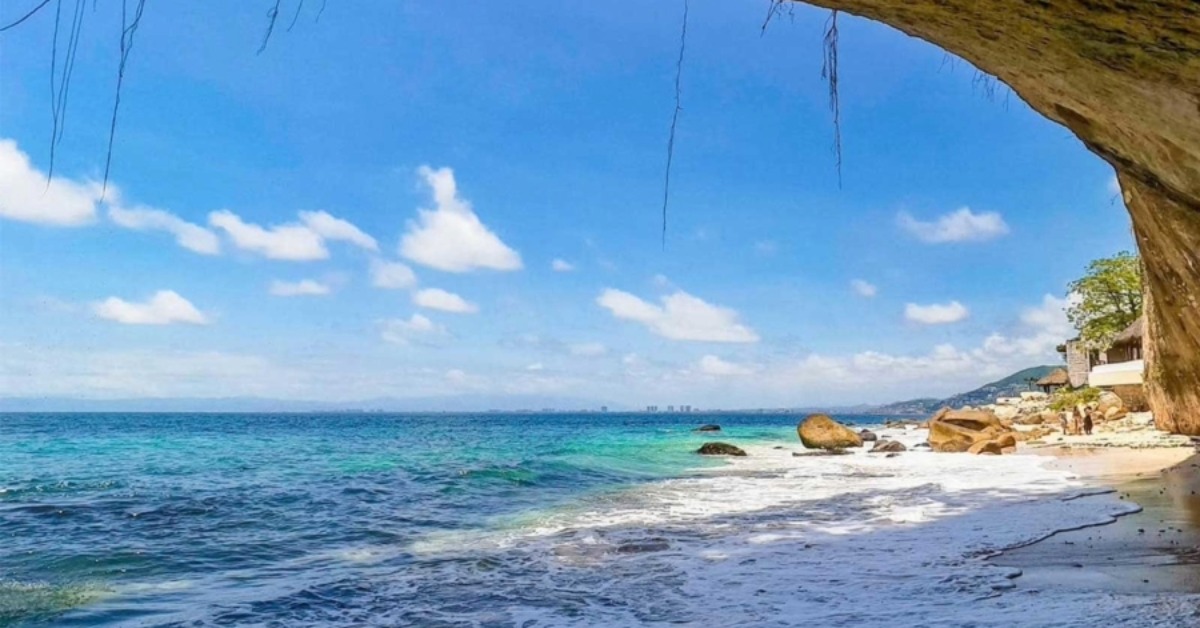
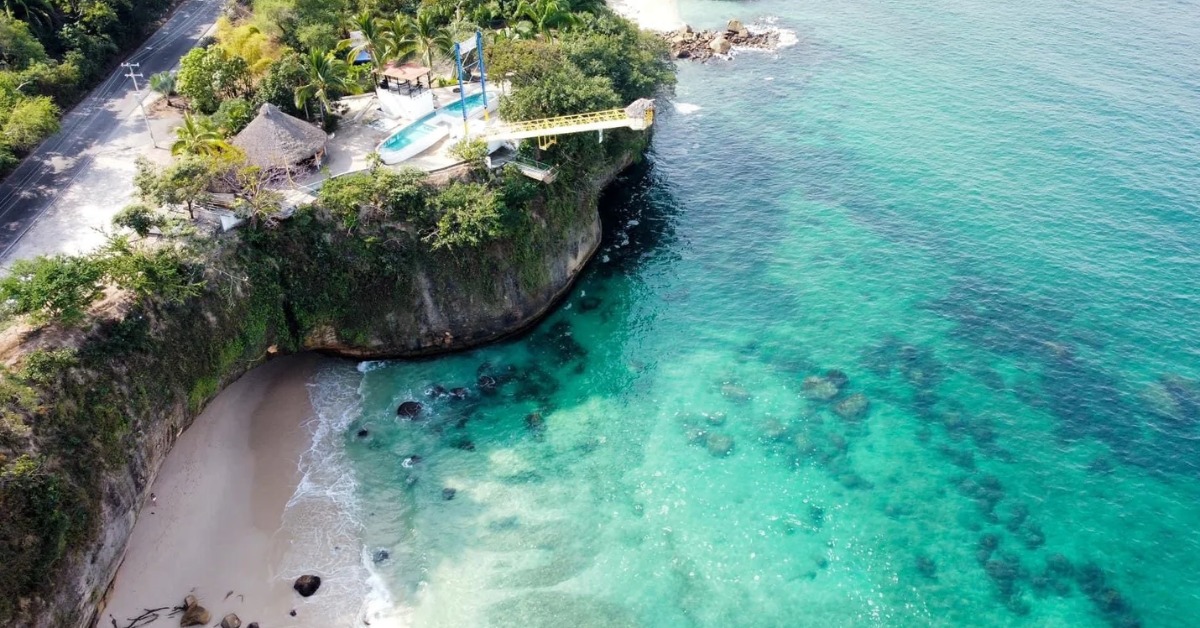
What sets Playa El Paredón apart is the geological drama of the place. Towering cliffs surround the beach on both sides, forming a natural amphitheater that shields you from outside noise and blocks any views of the city or nearby hotels. The sand is soft and golden, and the water—especially in the dry season—is incredibly clear.
The beach’s name, “El Paredón,” roughly translates to “the big wall,” referring to the massive vertical rock face that gives the area its distinctive character. From above, this wall has served as a jumping-off point for thrill-seekers who once bungee jumped from platforms atop the cliff. Though the bungee platform has since been dismantled, it adds to the lore of the place.
Perhaps the most enchanting feature of all is the natural cave carved into the cliff. When the tide is low, you can walk inside and sit in the shade, listening to the rhythmic crash of waves echo off the stone. It’s the kind of place that makes you feel like you’ve found a secret chamber in nature’s castle.
A Paradise for Adventurers and Solitude Seekers
Unlike Puerto Vallarta’s more accessible beaches, you won’t find beach bars, vendors selling micheladas, or groups of tourists here. What you will find is quiet, sometimes broken only by the call of seabirds or the splash of waves on rock.
Snorkeling is a favorite activity here thanks to the rocky coastline and relatively calm waters. Bring your own gear, as there’s no place to rent anything nearby. The visibility is often excellent, especially in the early morning, and there are plenty of small fish and sea life to observe just a few meters from shore.
For those with a paddleboard or kayak, the journey to El Paredón becomes part of the experience. Paddling along the coast, with Los Arcos Marine Park visible in the distance, is a workout with unbeatable views. The cliffs form caves and small grottos, and if you’re lucky, you might spot rays or even dolphins in the deeper waters offshore.
But the real joy of El Paredón is its ability to let you be still. To read a book with only the ocean in your ears. To take a nap in the shade of the cliff. To float in warm water without another soul in sight.
Getting There: Directions and What to Expect
If you’re up for the hike, start your journey at Playa Las Gemelas, located off Highway 200. There’s limited parking on the road above, or you can take a city bus marked “Mismaloya/Boca” and get off at the Las Gemelas stop. From there, make your way to the southern end of the beach, and look for a faint trail that follows the coastline south.
Expect about a 15- to 20-minute trek over rocks and small hills. It’s not especially long, but it can be challenging in sandals—good shoes are essential. And don’t expect Google Maps to be much help. You’ll need a sense of direction and a bit of local insight (or just ask someone at Las Gemelas to point you the way).
If you’re coming by sea, arrange for a small boat or kayak rental from Mismaloya or Boca de Tomatlán. Depending on weather and tides, boat operators might be able to drop you close to shore, but you’ll likely have to swim a short distance to land.
When to Go and What to Bring
The best time to visit is during the dry season, from November through May. The weather is warm and dry, the ocean is calm, and the skies are clear. During the summer months, especially August and September, the area can see heavy rains and rougher seas, which make hiking and snorkeling less appealing.
What to bring:
- Plenty of drinking water
- Snacks or a picnic (and a trash bag—leave no trace)
- Sunscreen and a hat (there’s limited shade aside from the cave)
- Snorkel gear if you plan to swim
- Good shoes for hiking
- A dry bag if arriving by kayak or paddleboard
There are no bathrooms or trash cans here, so plan accordingly and respect the environment. Playa El Paredón’s charm depends on everyone treating it with care.
A Photographer’s Dream
El Paredón offers stunning natural contrasts for photographers and content creators. The vertical cliffs, soft golden sand, and turquoise water make every angle photo-worthy. The light changes dramatically throughout the day—mornings offer soft light and solitude, while late afternoons cast long shadows and glow off the rock face.
Sunsets can be spectacular here, but if you stay too late, be cautious making your way back along the trail in low light. Better to arrive early and leave with daylight to spare.
Why El Paredón Still Feels Untouched
What makes Playa El Paredón so compelling is its rawness. In a region where nearly every inch of coastline has been claimed by resorts, condos, or commercial development, El Paredón stands out as one of the few places where nature still holds the upper hand.
There’s no infrastructure, no marketing, no Instagrammable sign telling you where to pose. That absence is what makes it feel real—like you’re not consuming the beach, but rather experiencing it.
It also means that visitors have a responsibility to keep it that way. The moment El Paredón becomes well-known, overrun with influencers and trash, it loses the very thing that makes it valuable. If you go, go respectfully. Go lightly. Leave it as pristine as you found it.
Final Reflections: Finding Silence in the Sea
If you’ve ever wished for a moment of solitude by the ocean, Playa El Paredón offers more than just a beach. It gives you a reset button—a chance to step away from noise, routine, and the curated experience of most tourist beaches.
It asks something of you: to hike a little, to prepare, to go without comforts. But in return, it gives you a piece of wild Puerto Vallarta, untouched and unforgettable.
It’s not for everyone. But if it’s for you, you’ll know it the moment you hear the waves bounce off the cliff walls and see that golden sand spill out beneath you. And maybe, if you’re lucky, you’ll have it all to yourself.