A new environmental submission has put an ongoing Playa Mamitas plan back on the table. The proposal blends a hotel component with a larger residential component across several towers. For many residents, the key issue is not only what gets built. It is what changes around the main beach entrance in Playa del Carmen. The paperwork sets out timelines and site details, but leaves open questions about impacts, access, and oversight. Here is what the filing says, what remains unclear, and what comes next.
What the ZONNA filing proposes
A new Manifestación de Impacto Ambiental (MIA) filed with Semarnat describes a proposed ZONNA development near Playa Mamitas. The document entered review in late February 2026. The proponent listed is 28MAS SAPI S.A. de C.V. The site is described at the Calle 28 Norte beach access in Playa del Carmen. It sits within the Zona Federal Marítimo Terrestre (ZOFEMAT) area. The filing proposes 64 hotel rooms and 187 apartments. Those units are spread across seven towers of seven levels. Construction is projected over five years. The filing also describes a 99-year term of operation. The document cites a municipal land-use change authorization dated March 31, 2025. It sets a seven-level height cap and a net density of 127.58 homes per hectare. It also shows an occupancy figure of 0.65. The planned development footprint is 15,861 square meters, or 72.74% of the parcel. This submission is part of the federal environmental review process. It does not, by itself, grant permission to build. Separate approvals can still be required from local and federal authorities. Separate promotional materials describe ZONNA as a mixed-use project with hotel suites and residences. They also reference villa-style units and limited commercial space.
Why the Playa Mamitas site draws scrutiny
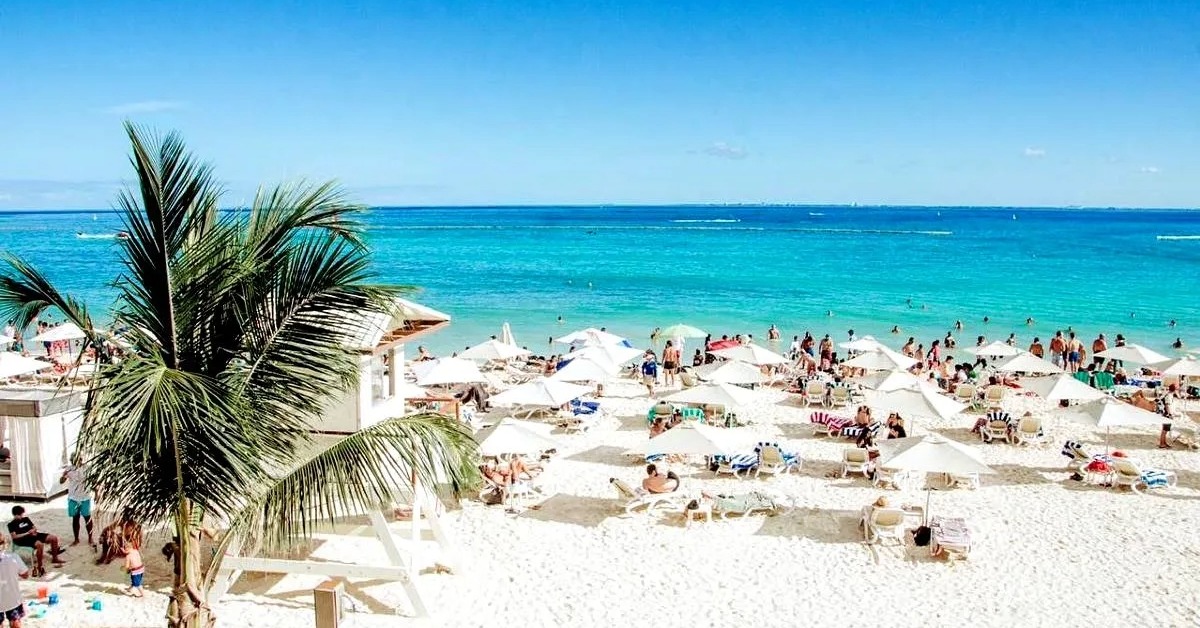
Playa Mamitas sits in a central, high-demand stretch with limited beach entry points. Calle 28 Norte serves as a common corridor to the sand. The area has also hosted large public events, including the Riviera Maya Jazz Festival stage. That visibility means that nearby coastal development proposals quickly become public policy issues. The area is tied to the ZOFEMAT, a federal strip that runs alongside the shoreline. It is generally defined as a 20-meter band of land next to the beach. Mexico’s national assets law states that access to beaches and the federal zone cannot be blocked or conditioned. Concessions can exist for specific uses, but they do not convert the beach into private property. Even so, disputes often arise through indirect barriers, such as fences, signage, and controlled entry points. In an April 2025 statement, the Playa del Carmen government said it would not permit beach privatization. For many residents and expats, the practical test is simple. Can people reach the water without delay, fees, or confrontation? A multi-tower build also adds day-to-day pressure on nearby streets and services. Traffic, noise, and construction access routes can reshape a central beach zone for years.
Environmental claims and open questions
The environmental submission argues that the project footprint avoids natural vegetation. It describes construction over existing disturbed areas, with only scattered palms and beach shrubs. That point matters because the Playa del Carmen coast has pockets of protected habitat. In this zone, small remnants of mangrove or coastal wetlands can influence water flow and storm drainage. They also fall under special protections under Mexican environmental rules. Critics have focused on whether any mangrove remains near the 28th Street beach access. They also question how a larger built footprint could affect runoff and the nearshore environment. For a project that includes hotel rooms and apartments, wastewater capacity is another recurring concern. So is the interaction with shoreline change, including erosion and temporary beach works. These issues are usually addressed in the MIA through baseline studies and mitigation plans. The details will shape how the project is judged, and what conditions could be attached to any approval.
What happens next
Semarnat can approve, reject, or approve with conditions. The agency can also request more information during its review. If the application advances, it can appear in the federal Gaceta Ecológica. A formal public consultation can also be opened under federal rules. Separate from the MIA, the municipality still controls construction licenses and on-the-ground inspections. Work within or next to ZOFEMAT can also require federal titles or permits tied to shoreline use. Local authorities have previously said they have not granted a construction permit for the Mamitas zone. Playa del Carmen is also updating its urban development program in 2026. For residents, the first signals will likely be administrative. Project listings, consultation notices, and final resolutions tend to appear before visible site activity. Those documents define the conditions for mitigation, traffic, and public beach access. They will also show whether timelines and unit counts change during the review.