For months, a new resort concept quietly worked its way through Mexico’s environmental review system. Then, just as the Playa Mujeres coastline braces for another wave of growth, the file was shut. The proposed Majestic Playa Mujeres project—planned on coastal land north of Cancún—will not move forward as presented, after authorities ended the process without approval. What happened inside that review, and why it matters for one of the Riviera Maya’s last “low-key” corners, is worth a closer look.
A resort plan that never got past the paperwork
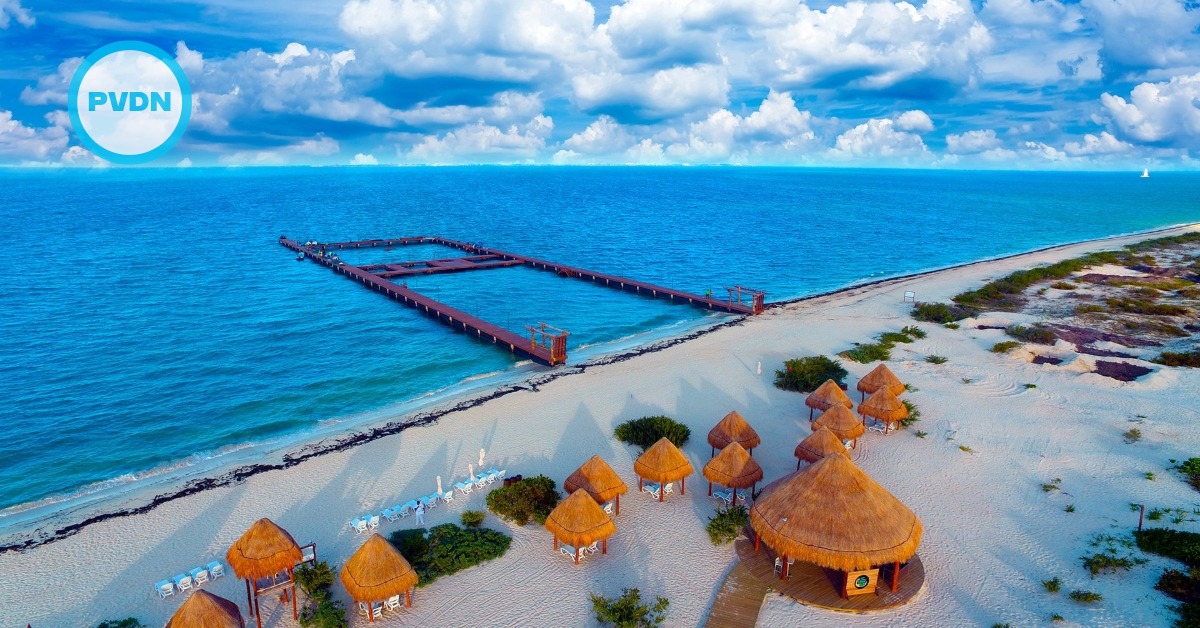
Plans to build a new resort in Playa Mujeres, just north of Cancún, have been shelved after the federal environmental review process was formally closed without authorization. The proposal, filed under Hotel Majestic Playa Mujeres M6, described a large resort-style complex spanning nearly 9 hectares of coastal terrain in the continental zone of Isla Mujeres. The concept included multiple buildings and extensive guest amenities—along with the kinds of internal roads, parking, and service infrastructure that typically come with a full-scale development in this corridor.
Why the process ended without a green light
In Mexico, projects of this type usually hinge on an approved environmental impact review before any ground is broken. In this case, the application entered the system in March 2024 and was evaluated through a multi-agency process that drew technical input from several offices focused on biodiversity, ecological impacts, and land-use considerations. But instead of ending in an approval or a denial, the promoter withdrew from the process in late 2025. That withdrawal triggered the official closure of the file, leaving no valid environmental authorization in place and effectively freezing the project as it was presented.
What this pause signals for Playa Mujeres
For residents and long-stay visitors who’ve watched the Cancún–Costa Mujeres–Playa Mujeres strip change at a relentless pace, the cancellation reads like a rare brake tap in a fast lane. It doesn’t mean the area is off-limits to future development, nor does it guarantee the site won’t be returned later under a revised plan. But it does show that, in a zone where mangroves and remaining coastal habitat still shape the landscape, paperwork and scrutiny can matter—especially when a project’s footprint is large and its setting is environmentally sensitive. The next tell will be whether a new filing appears with a scaled-back design, a different location, or a different developer name.