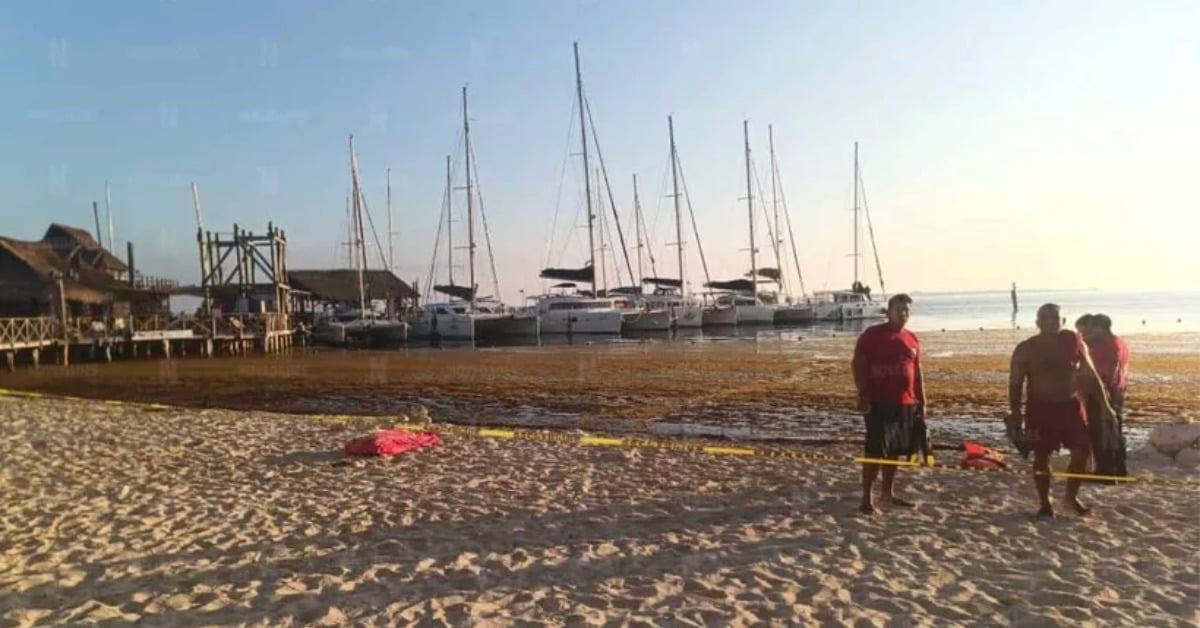
A teenage tourist’s beach morning never arrived. Before sunrise on August 20, a 19-year-old from Chiapas entered the water at Playa Tortugas. Family members called 911 when she didn’t return. Rescuers searched through the dark and found her body after first light. The scene was quiet, efficient, and devastating.
Playa Tortugas drowning
Police and first responders set up an area at kilometer 7 of Kukulcán Boulevard as the search resumed with daylight. Protección Civil coordinated with firefighters and notified the state prosecutor’s office. Forensic services took the body to the morgue for the autopsy and for identification procedures. Authorities did not release the young woman’s name at the scene.
Local outlets that arrived early described the same timeline. Several reported the call for help between 3 and 4 a.m., the overnight search limits, and the recovery at dawn. The through-line matches the official version in tone and timing.
A second fatal case this summer in the hotel zone
This death is at least the second confirmed fatal drowning in Cancún’s hotel corridor during the summer season. On July 25, authorities recovered a man’s body near the Calinda Bridge, an incident that prompted multiple investigations and ID updates in the days that followed. Today’s case adds a fresh, painful entry to a season that was already tense for lifeguards and beach crews.
Conditions mattered before sunrise
By Tuesday, Playa Tortugas was under a red flag, signaling dangerous surf and a prohibition on entering the water. Those warnings continued along much of the hotel zone. Flags are not decorations; they are the frontline messaging tool for risk. A red flag means stay out, period.
City guidance also stresses a simple rule that too many visitors ignore: swim only in signed areas and follow lifeguard instructions at all times. That advice is not seasonal marketing. It exists because currents change by the hour and because rescues become recoveries in seconds when visibility drops.
Lifeguards can’t protect a beach that’s asleep
Cancún recently extended lifeguard and firefighter coverage on public beaches to 9 a.m.–7 p.m. That change responds to crowd patterns and prior emergencies. It does not cover pre-dawn dips, when visibility is poor and patrol capacity is thin. The teen entered the sea hours before that shift. The timing underlines a hard truth: outside guarded hours, you are on your own.
A family’s vacation became a lesson the city repeats daily
Every summer, lifeguards spend hours waving people back to shore. They repeat the exact phrases and point to the same flags. They do this because the Caribbean’s postcard blue is deceptive. At Playa Tortugas, the water sits inside a bend that can look calm even when currents pull hard. On Wednesday, a family from Chiapas learned how unforgiving that pull can be.
After July’s fatality near the Calinda Bridge, officials leaned on public messaging and staffing. The extended lifeguard hours are a start, but warnings only work if visitors obey them. For hotel staff, that often means steering guests to guarded stretches and checking the flag color before suggesting a swim. For locals, it means intervening when we see risky behavior at dawn. For everyone, it means staying out with a red flag, however tempting the surf.