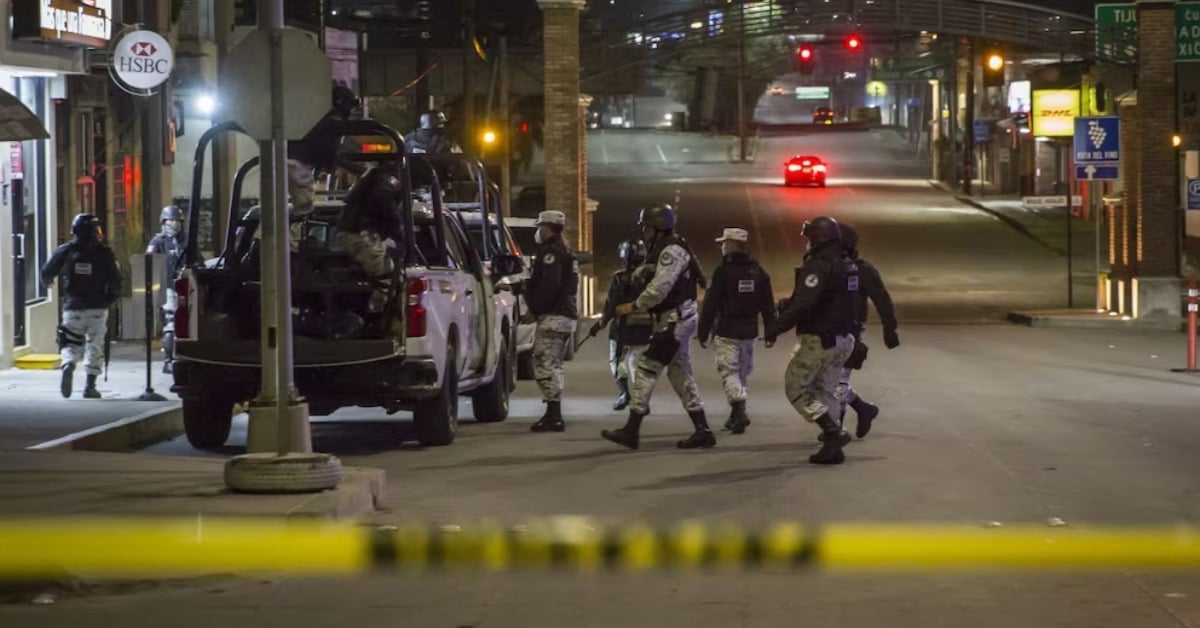
A new report from the consulting firm Integralia reveals a troubling rise in political violence in Mexico, with 253 incidents recorded in the first half of 2025. This escalation includes 112 homicides, 74 threats, and 33 armed attacks, spanning 29 of the country’s 32 states. It reflects a pattern of intimidation, coercion, and lethal force—especially at the municipal level.
The study highlights that much of the violence was concentrated in states where local elections took place. Veracruz, for example, emerged as the most violent state with 81 reported cases, coinciding with its municipal electoral process. Meanwhile, Durango, which also held local elections, reported only one case. This illustrates the uneven nature of these threats associated with political violence in Mexico.
“Violence increased as election day approached and continued to rise the following month,” the report notes. The most common crimes during this period of political violence in Mexico were threats and targeted killings. They were often aimed at candidates and local political figures.
Southern states and fragmented criminal control
Murders were heavily concentrated in the center and south of the country. This was particularly in regions with fragmented organized crime groups vying for territorial control. Guerrero topped the list with 21 political homicides, followed by Veracruz with 16 and Oaxaca with 13. Notably, these three states are all hotspots for cartel activity. They have long struggled with the overlap between crime and politics.
The report identifies a broader pattern of criminal infiltration into local politics. It is especially in municipalities where weaker institutional frameworks make government structures easier to co-opt or intimidate. Criminal groups often see local governments as entry points for expanding control over police forces, public works contracts, and territorial access routes.
Morena bears the brunt of political attacks
Morena, the ruling party, suffered the most attacks during this period, with 73 affiliated victims, including 39 homicides. Other targeted parties include the Labor Party (28 cases) and the Institutional Revolutionary Party (PRI) with 27 cases. A significant number of victims (69 individuals) were unaffiliated with any political party. This suggests that the violence often transcends partisanship. It can target independents, civil servants, and community leaders.
According to Integralia, 79% of all victims were current or former municipal officials, candidates, or other local political actors. This reinforces the conclusion that local politics is where criminal interference is most acute.
Political violence as institutional capture
The report frames this surge in violence as part of a process of “institutional capture,”. This is wherein criminal organizations interfere with municipal governance to advance their interests. By targeting candidates or threatening officials, these groups can either install compliant local authorities or discourage legitimate governance altogether.
This type of interference weakens trust in the electoral process. It deters civic participation and creates a chilling effect on those willing to enter public service. The repeated targeting of municipal leaders also destabilizes communities already dealing with poverty, extortion, and cartel-related violence.
Federal elections spared from extreme violence
In contrast to the widespread local unrest, Mexico’s federal judicial election remained relatively calm. The report documented only three threats against candidates, occurring in Guanajuato, Puebla, and the State of Mexico. The disparity highlights how criminal networks concentrate their efforts where they perceive the most influence can be exerted—typically at the local level where law enforcement is less robust and institutional protections are minimal.
A sobering outlook for Mexican democracy
The Integralia report offers a stark reminder of the challenges Mexico faces in safeguarding its democratic processes. While the federal level enjoys greater protection, the municipal level remains alarmingly vulnerable to violence and criminal influence. For citizens in affected areas, this often means choosing between participating in local politics and risking their safety—or stepping aside altogether.
As the country continues to grapple with cartel violence, weak local institutions, and political intimidation, the findings raise serious questions about the future of governance, civic engagement, and electoral integrity in Mexico.
Integralia’s data suggest that unless structural reforms are introduced to protect candidates, disrupt criminal financing, and strengthen municipal governments, the trend of political violence in Mexico will likely continue into future electoral cycles. For now, the cost of public service in Mexico—especially at the local level—remains dangerously high.