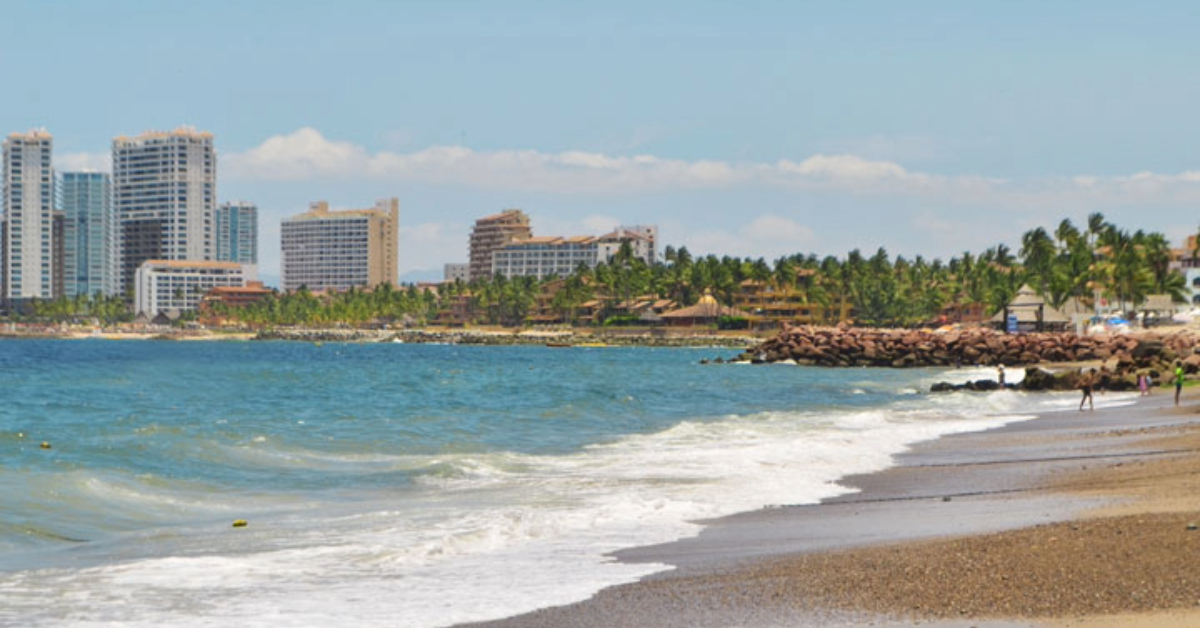
Cofepris labels Mismaloya, Cuale and Camarones polluted beaches in Puerto Vallarta unfit for use, prompting business leaders to launch cleanup efforts and share responsibility.
Puerto Vallarta’s tourism-reliant economy faces an urgent test after the Federal Commission for the Protection against Sanitary Risks (Cofepris) declared three of its most popular beaches—Mismaloya, Cuale and Camarones—unfit for recreational use. High levels of pollution in these areas have alarmed local businesses, which fear a sharp drop in visitor numbers and revenue if the beaches remain closed.
Carlos Iván Gómez, general director of Canacope Servitur in the region, stressed that solving this crisis falls to everyone, not just government agencies. “Rivers that flow into the sea aren’t polluted by themselves, nor solely because of the government. It’s everyone’s responsibility: citizens, businesses, chambers of commerce, and governments. We have to actively participate in cleaning up the problem and raising collective awareness,” Gómez said.
What is threatening the Puerto Vallarta economy?
Gómez warned that media reports of polluted beaches can scare off tourists before they even book a trip. He urged clear, accurate communication to avoid misinformation. “We live off tourism, and a bad image or misinformation can lead to an economic crisis. That’s why it’s important how we communicate this, but also that we take responsibility for the problem at its source,” he added.
Polluted beaches Puerto Vallarta demand community action
In response to the Cofepris designation, local business chambers are exploring joint cleanup initiatives. Gómez revealed that Canacope Servitur and its partners are drafting a campaign that will bring together merchants, restaurant owners, volunteer groups and schools. The campaign will focus on beach cleanups, riverbank restoration and educational workshops to teach residents and visitors about waste management and water treatment.
Environmental education will play a central role. Workshops will cover topics such as proper disposal of plastics, the impact of untreated wastewater and the importance of protecting coastal ecosystems. Gómez hopes these sessions will foster long‑term change in both household behavior and commercial practices.
Collaboration between public and private sectors is already showing promise. Both the Puerto Vallarta and Bahía de Banderas municipalities have pledged support, offering logistical help and coordinating with environmental agencies. Officials in Nayarit, where development has been more dynamic, have also expressed interest in sharing best practices for sustainable tourism and infrastructure improvements.
Economic analysts warn that each week of beach closures could cost the region millions in lost hotel bookings, restaurant sales and tour operations. Local hotels report that potential guests are already asking about beach conditions for upcoming stays. Tour operators say travelers concerned about swimming and snorkeling may choose other destinations if the pollution alert drags on.
Gómez believes swift, visible action can turn the tide. He suggested installing water‑quality monitoring stations and posting real‑time results online. Transparency, he argues, will rebuild confidence among tourists and investors alike.
He concluded with a direct appeal to residents and visitors: “A clean city with healthy beaches benefits everyone, especially an economy as strongly linked to tourism as Puerto Vallarta’s. Let’s roll up our sleeves, pick up trash, protect our rivers and show the world we value our natural treasures.”
With business leaders, civic groups and authorities mobilizing side by side, Puerto Vallarta will test whether a community‑driven approach can restore its beaches and safeguard the city’s future as a top coastal destination.
Puerto Vallarta, Cofepris, beach pollution, tourism, business sector, environmental cleanup