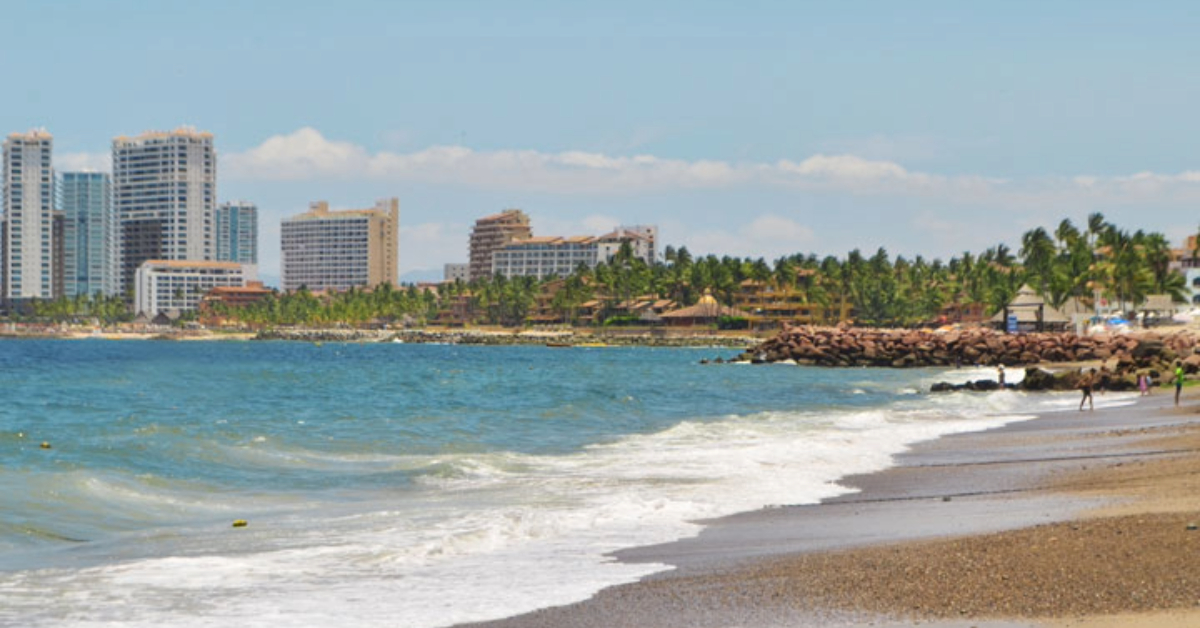
Cofepris warns of unsafe bacteria levels at Playa del Cuale, Camarones, and Mismaloya amid Puerto Vallarta beach contamination concerns, exposing tourists to health risks.
This summer, the Federal Commission for the Protection against Sanitary Risks (Cofepris) flagged three of Puerto Vallarta’s most beloved beaches as unsafe for swimming. Playa del Cuale, Playa Camarones, and Playa Mismaloya all registered alarming levels of fecal enterococci, bacteria linked to human and animal waste. The move puts a spotlight on persistent infrastructure failings in one of Mexico’s top coastal destinations.
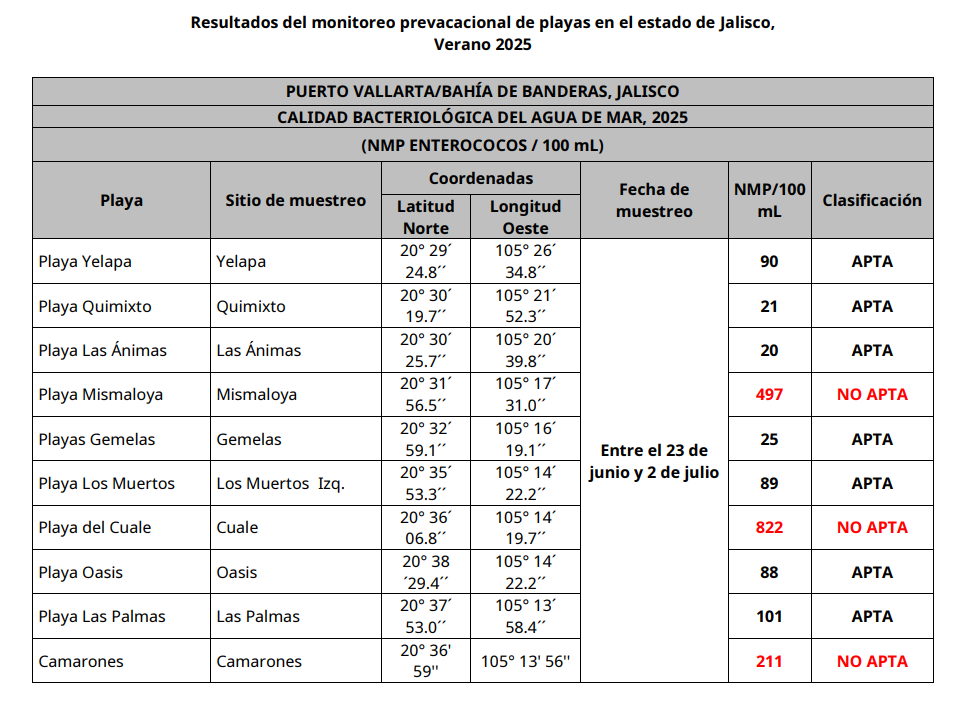
Cofepris tests set 200 MPN/100 mL as the sanitary limit. Playa del Cuale shattered that threshold with 822 MPN/100 mL. Mismaloya came in at 497 MPN/100 mL, more than double the safe level. Even Camarones, near the bustling Malecón, barely cleared the barrier at 211 MPN/100 mL. Tourists expecting clear, safe water now face a genuine health threat.
Puerto Vallarta beach contamination at a glance
- Playa del Cuale: 822 MPN/100 mL (limit 200)
- Playa Mismaloya: 497 MPN/100 mL
- Playa Camarones: 211 MPN/100 mL
Beyond the bacteria figures, local swimmers have already reported spotting crocodiles along the shore. What once felt like an exotic thrill now reads as a double warning: wildlife encounters and polluted water.
Cofepris points to chronic urban issues as the root cause: storm drains that dump directly into the sea, untreated sewage, makeshift businesses along the coastline, and informal settlements that lack proper sanitation. Add a surge of summertime visitors, and you get the perfect storm for bacterial blooms.
This finding comes from the 2025 summer pre‑vacation monitoring program. Inspectors analyzed more than 2,300 samples across 289 beaches nationwide. Only 16 failed the test—three of them here in Puerto Vallarta.
Local hotels, restaurants, and tour operators face a steep task: reassure guests that more than half a dozen other beaches remain safe, while these three recover. Some have already rolled out extra pool days and boat tours to keep visitors cool without risking exposure.
Cofepris urges residents and tourists to report spills and debris on the sand. Yet real change will demand upgrades to sewage lines, organized urban planning, and stronger enforcement by municipal authorities. Picking up trash won’t fix leaking pipes.
For now, beachgoers should pause before diving in. Check updated water‑quality alerts and steer clear of the flagged shores. As Puerto Vallarta leans on its coastal charm, tackling Puerto Vallarta beach contamination will be essential to keep paradise healthy and open for all.