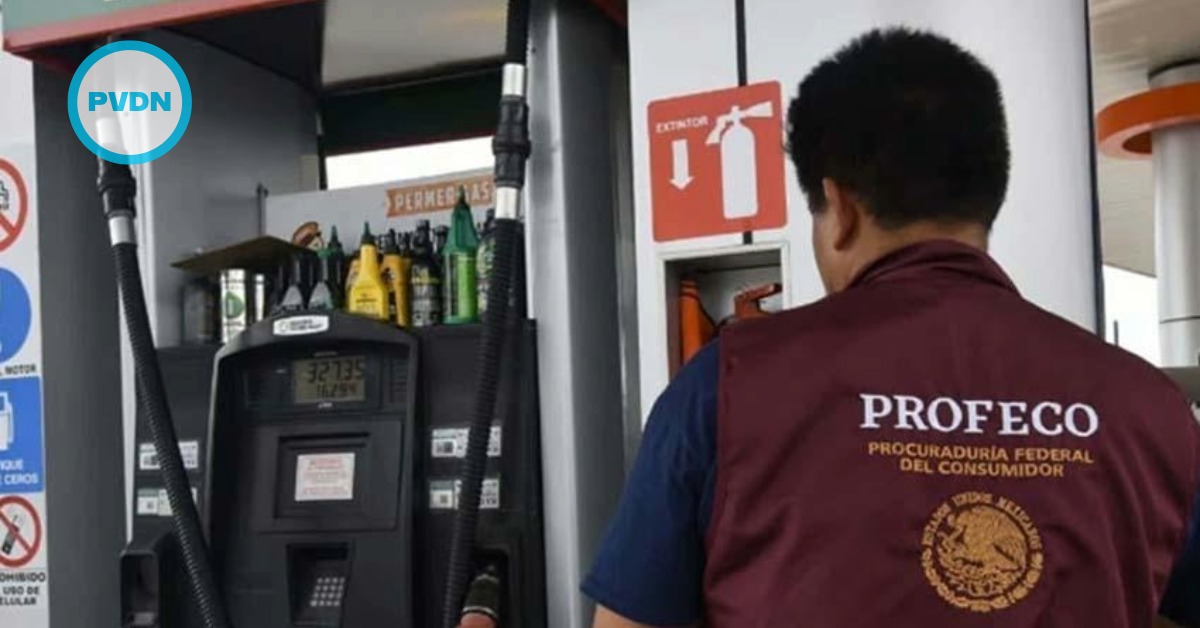
Profeco and ASEA froze 10 fuel dispensers in BCS after alleged short liters and screen-memory test failures; cases go to FGR.
Federal inspectors ended the year with a high-visibility sweep of gas stations in Baja California Sur, including in La Paz, Los Cabos, and Comondú. The operation focused on two things most drivers care about but rarely get to verify: whether the dispenser is delivering a full liter, and whether the equipment is operating in a way that can be audited later.
Authorities say they visited six stations and immobilized 10 measuring instruments. Five were tied to alleged “incomplete liters,” meaning the customer pays for more fuel than the car actually receives. The other five were immobilized after inspectors flagged irregularities during a “retention” test linked to the dispenser’s screen and stored information. In plain terms, it’s a check meant to confirm the pump keeps the information it’s supposed to keep, even if there’s a power interruption or the unit loses battery support.
The enforcement didn’t stop at consumer measurements. Environmental and safety compliance also landed in the spotlight. ASEA reported full closures at four stations, mostly tied to missing or non-displayed documentation. One additional station was partially closed due to paperwork that did not cover eight nozzles, and one station was found not operating at the time of the visit.
Why a pump gets frozen
When Profeco “freezes” or immobilizes a pump, it’s not a dramatic shutdown of the entire station every time. It’s a targeted action. The specific dispenser gets sealed so it can’t be used until the issue is resolved and the authorities have what they need for enforcement. A station might keep selling fuel from other nozzles—unless another agency orders a broader closure.
The short-liter cases matter because they hit you twice. You lose money in the moment, and you can end up blaming your car for bad mileage later. In tourist-heavy places like Los Cabos, it also becomes a trust problem fast. Visitors and expats often rely on rental cars, road trips, and long drives between towns where you don’t have many alternatives. If the station near the highway is the only option, a small cheat can feel like a trap.
The “screen retention” issue sounds technical, but the logic is simple. Dispensers are supposed to preserve certain data so inspections can confirm what happened at the point of sale. If a pump can’t hold that information reliably, regulators treat it as a serious compliance problem. Even when it’s caused by something as mundane as losing battery power, it creates a gap that can make abuse easier to hide and harder to prove.
Authorities say the pumps tied to alleged incomplete liters will be reported to the Fiscalía General de la República. That signals the government is treating at least part of the conduct as potentially criminal, not just administrative.
What happens next for stations
A frozen dispenser is usually the start of the next phase, not the end of the story. Stations typically have to address the defect or irregularity, submit to follow-up verification, and face administrative penalties. In more serious cases—especially when officials believe the equipment was altered intentionally—matters can move into criminal channels.
It also matters which agency is acting. Profeco’s job is consumer protection. ASEA’s lane includes environmental and operational compliance, and its sanctions can look different. A station can pass a consumer-volume check and still get shut down on environmental paperwork. It can also happen the other way around: a station might be operating “normally” from an environmental standpoint, while a handful of dispensers are caught short-measuring.
Officials described the Baja California Sur actions as part of a national extraordinary verification push that covered all 32 states. In their end-of-operation tally, authorities reported hundreds of stations visited nationwide, hundreds of instruments immobilized, and dozens of cases referred to federal prosecutors over incomplete liters. The message is clear: these are no longer rare, local spot-checks. It’s a continuing enforcement posture.
What drivers in Mexico can do now
Most people can’t test a pump the way inspectors do. You’re standing there with a card in your hand, trying not to hold up the line. Still, there are a few habits that help you avoid the worst scenarios without turning every fill-up into a confrontation.
Before fueling starts, watch for the display to reset to zero. That sounds basic, but it matters when you’re distracted or the attendant is rushing. Pay attention to whether the screen behaves normally during the transaction. If the display glitches, resets, or behaves oddly, treat it as a reason to slow down and ask for a printed receipt.
Keep your receipt, at least until you’ve driven enough to get a sense of whether your tank range matches what you paid for. Expats who track expenses often already do this, and it’s useful for more than bookkeeping. It gives you something concrete—time, place, and station details—if you decide to report a suspected problem later.
If you strongly suspect you were shorted, report it through Profeco’s official channels. In past guidance, the agency has pointed consumers to its social media support accounts, email reporting, and the consumer hotline, while its fuel-price app has been undergoing redesign or is temporarily inactive. The most effective reports include the station location, a clear description of what you observed, and a photo of the receipt, if available.
None of this guarantees you’ll never get burned. But it shifts the odds back toward you—and it makes it harder for bad actors to count on silence, especially in places where residents and long-stay visitors fuel up at the same stations week after week.