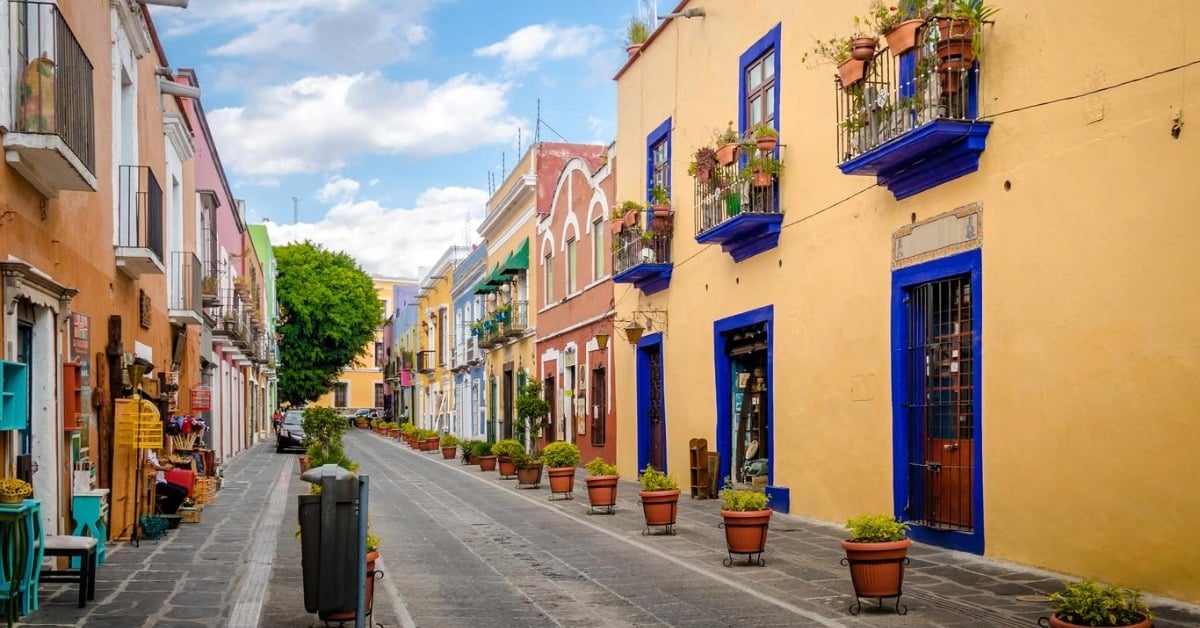
Puebla, Mexico – Puebla tourism growth in 2025 is showing signs of becoming the strongest on record, with authorities reporting sustained gains through the first half of the year. State Tourism Secretary Karla López Malo said that seven million visitors arrived in Puebla during the first six months of 2025—an average of roughly 3,000 outsiders coming to the state each day. That influx generated an estimated economic impact of two billion pesos, underlining the financial weight of the sector’s rebound.
The surge, López Malo said, reflects the success of targeted tourism strategies aimed at positioning Puebla as one of Mexico’s leading destinations. Key to that appeal has been the cultural and culinary draw of the chile en nogada season, which consistently attracts both domestic and international food travelers during its short annual window. The dish’s combination of history, seasonal ingredients, and patriotic symbolism continues to serve as a cultural anchor that brings visitors to the region.
Beyond gastronomy, the state unveiled a new product designed to deepen stays and disperse visitors: the Tehuacán Biosphere Reserve Tourist Route. Launched this year to showcase the ecological and cultural richness of southeastern Puebla, the route links several highlights, including San Juan Raya in Zapotitlán Salinas and the Helia Bravo Hollis Botanical Garden, along with curated visits to key areas in the municipality of Tehuacán.
The experience is priced at 1,000 pesos, with a 30% discount for Puebla residents who present proof of residence, a move intended to foster local participation while keeping the offering accessible. Tour operator Fabián Martínez Herrera detailed what the package includes: round-trip transportation, travel insurance, admission fees to the various sites, and food tastings that feature traditional regional dishes and Puebla mezcal. The route departs Saturdays from the city of Puebla, creating a regular weekend rhythm that can support local service providers.
Secretary López Malo framed the route as more than a single product; she described it as part of a broader push to diversify the tourism portfolio and extend visitor spend beyond the core urban corridor. “Projects like this route will further boost visitor arrivals, closing out 2025 with historic numbers,” she said, signaling that the government is betting on sustained growth through layered experiences that combine culture, gastronomy, and nature.
Industry observers note that tying culinary heritage—like the chile en nogada—with ecological tourism gives Puebla an edge in offering multi-dimensional trips that appeal to different traveler motivations. The chile en nogada season drives concentrated short-term spikes in visitation, while the biosphere route aims to lengthen stays and encourage repeat visits by highlighting lesser-known destinations within the state.
The economic impact figure of two billion pesos is significant not just for tourism operators but for the wider supply chain: hotels, restaurants, artisans, and transport services all feel the ripple effects of increased foot traffic. By offering discounts to locals and packaging logistics for outside travelers, the state is attempting to balance growth with inclusion and to ensure that benefits extend into smaller communities connected to the route.
As Puebla moves into the second half of 2025, officials will be watching whether the momentum from these combined efforts holds through the high season and whether the new route can serve as a template for similar initiatives in other regions. If current trends continue, Puebla could finish the year with its strongest tourism performance in recent memory, reinforcing its positioning in Mexico’s competitive destination landscape.