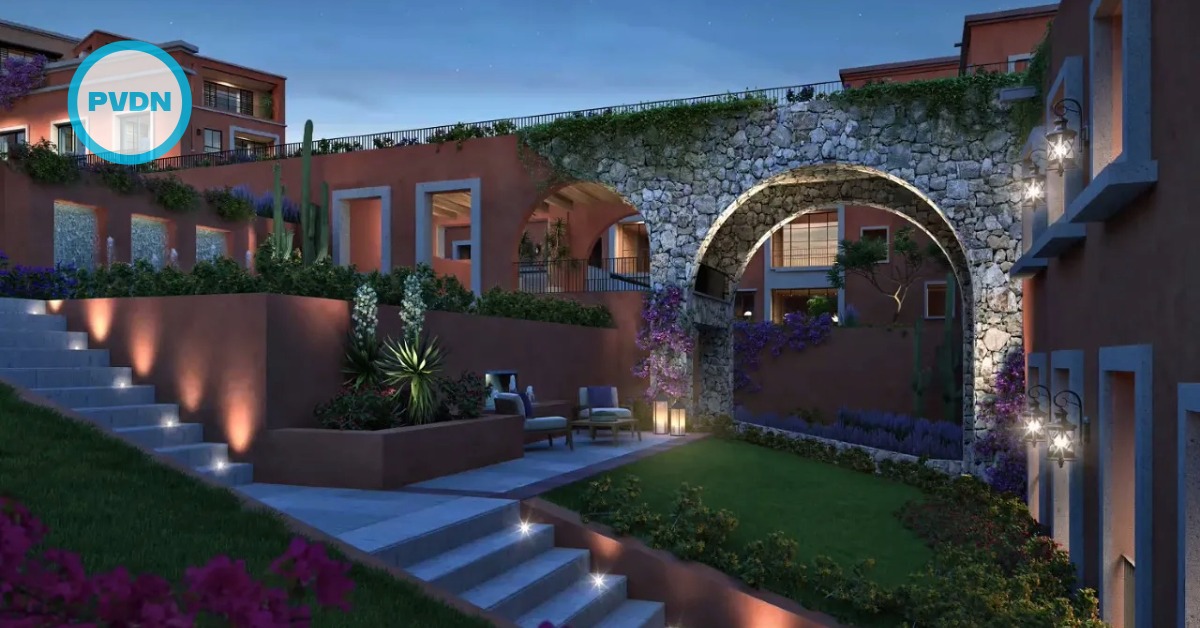
From the outside, it looks like another luxury opening. Look closer, and the play is different. Pueblo Bonito’s new Vantage address isn’t planted in the tight historic core, and it’s not all‑inclusive. It’s betting that travelers—and the locals who host them—want design with a regional signature, wellness that goes beyond a massage, and cultural experiences that feel curated rather than staged. The bigger story sits in the details: where the hotel chose to land, who it partnered with, and how it fits into a city already shaped by heritage rules and heavy demand.
Launch summary and verified timeline
The opening being discussed is the debut of a new “urban” luxury property. The most direct confirmation that the hotel is operating comes from a company-distributed announcement dated late January stating the property “opens” and describing it as a European Plan (room-only) hotel with 111 rooms. A separate media presentation followed, during which the brand emphasized design, wellness, and collaborations with Mexican fashion and lifestyle brands.
One notable detail for accuracy is that the opening date moved over time. A May release pegged an October opening, later communications shifted the debut again, and by December the company was briefing media on a mid-January target, with a follow-up announcement confirming the hotel’s “long-awaited” debut. In practice, that kind of timeline drift is common for hospitality projects, particularly those with complex design scopes and staffing ramps. Here, it matters because much of the forward-facing messaging—reservations, wellness programming, and “now welcoming guests”—is tied to the claim that the property is no longer “coming soon.”
Property snapshot and positioning
At its simplest, the hotel is positioned as a high-end alternative to the company’s beach, all-inclusive identity. Vantage is repeatedly framed as European Plan, and the parent brand’s own FAQ draws a bright line: beach resorts can be all-inclusive, while Vantage properties are not. The hotel’s listed address places it on Avenida Santa Cecilia in Colonia San Luis Rey, and official descriptions repeatedly anchor the property in a “traffic-free” area called Distrito Corazón, adjacent to a major park and oriented toward skyline views. On room count, multiple independent listings converge at 111 rooms, matching the company’s own materials.
The build is also described as a mixed hospitality-and-residential concept. Company fact sheets and earlier “coming soon” materials describe hacienda-style buildings with hotel rooms in one wing and privately owned villas and multi-bedroom condominiums in another, totaling 45 residences. Operationally, the guest experience is designed to feel “host-led”: a company release states that guests are greeted by a Vantage host rather than a traditional front desk, a detail meant to signal service intensity and personalization. Room-level positioning leans on “handmade” finishes plus tech-forward comforts, including Nespresso machines and luxury bath amenities, and the property markets dedicated pet-friendly room options.
Design and wellness strategy
Design is not an add-on here; it is the core product. The hotel is consistently described as neo-colonial and hacienda-inspired, with Moorish influence, saturated textiles, and handcrafted furniture. The interior design oversight is attributed to its leader, with messaging that “luxury is handmade,” mirroring the destination’s artisanal identity. This framing shows up again in interviews around the opening, which stress local art and locally sourced visual elements as a deliberate brand choice rather than decorative garnish.
Wellness is treated as a second pillar, with a specific brand system built around it. The hotel is described by the brand as combining traditional vinotherapy with local ingredients and “advanced biohacking technology.” Both the company’s fact sheet and press materials outline hydrothermal elements, treatment rooms, and add-on facilities, including a gym and salon-style services. The hotel also promotes four dedicated wellness suites, positioned as sleep-optimized spaces with bamboo linens and other rest-focused amenities.
Dining and curated cultural experiences
Food and beverages are being used as brand leverage, not just as an amenity. On-property dining is organized around recognizable venues: Casa Bistro for all-day service, a rooftop bar (V Rooftop Bar/terrace concept), and LaFrida as the signature dinner restaurant. In the most detailed third-party reporting around the opening, the company’s marketing lead emphasizes reliance on local suppliers for food and beverage, suggesting an operational push to keep the hotel’s “local craft” story consistent from décor through to the plate. The LaFrida concept is marketed as fire-and-coals driven, with a brand narrative tied to.
The culinary credibility being borrowed is also specific and verifiable. One press release and subsequent coverage connect the kitchen to recognition in Food & Wine’s “Best New Chefs” cycle, linking her work to the LaFrida brand already established at the company’s beach destinations. Beyond restaurants, the hotel’s cultural programming is packaged as “V Life” / Vantage Experiences, organized around themes such as gastronomy, culture, history, and lifestyle, including language immersion, art classes, and winery visits across the broader region.
Location strategy and partnerships
The location is close enough to feel central, but far enough to be a strategic statement. Company messaging explicitly frames the hotel as a “quick stroll” from the historic center while situating it beside. Independent booking information supports the “near-center” idea with walk times and distances: about a nine-minute walk to and a short drive to the landmark church. Local coverage adds the rationale the hotel wants guests to believe: less congestion than the core, still walkable, with transport support—plus the softer sell of darker skies and better star visibility away from the brightest streets.
Partnerships were part of the public rollout, not a footnote. The Mexico City event format included fashion and design collaborations, plus names chosen to signal “Mexican-made” luxury in a way that translates beyond hospitality. Wine is the other visible alliance. Coverage of the launch and the hotel’s own experience programming points toward local or regional winery partnerships; the most directly documented is one that markets itself as located roughly fifteen minutes from the city and positions itself as a major Guanajuato wine destination.
San Miguel tourism context and implications
This opening lands in a city whose brand is inseparable from heritage protection. The UNESCO World Heritage inscription covers the protective town and the nearby sanctuary, emphasizing Mexican Baroque architecture and conservation requirements. UNESCO’s decision text highlights ongoing needs for tourism management, carrying-capacity studies, and traffic control planning in and around the historic center. Separately, Mexico’s cultural authorities describe San Miguel’s core as a federally recognized historic monuments zone, with a defined footprint and enumerated religious and civic landmarks, and they note the sanctuary’s linked heritage status. For hotel development, that backdrop matters: building and intervention work in historic monuments zones is regulated through formal permit processes, with documentary requirements and defined response timelines.
At the market level, the hotel is entering a destination with substantial lodging inventory. Guanajuato state tourism reporting lists San Miguel with 240 traditional lodging establishments and 3,565 rooms across rated and unrated categories. Put against that baseline, 111 rooms represent roughly three percent of the city’s recorded room supply—a meaningful addition for one property in a place where many well-known hotels are small by design. The same state reporting shows that tourism demand is large and seasonal, with metrics like occupancy and visitor totals tracked monthly at the state level, offering a reminder that “best city” travel rankings sit on top of a real, managed volume of arrivals. For expatriate residents, the practical impact is likely to be felt most in service ecosystems: more high-end dining seats, spa capacity, and event space, alongside tighter competition for multilingual hospitality talent. Those labor and supplier pressures are a reason luxury openings can reshape the local experience even for people who never check in.