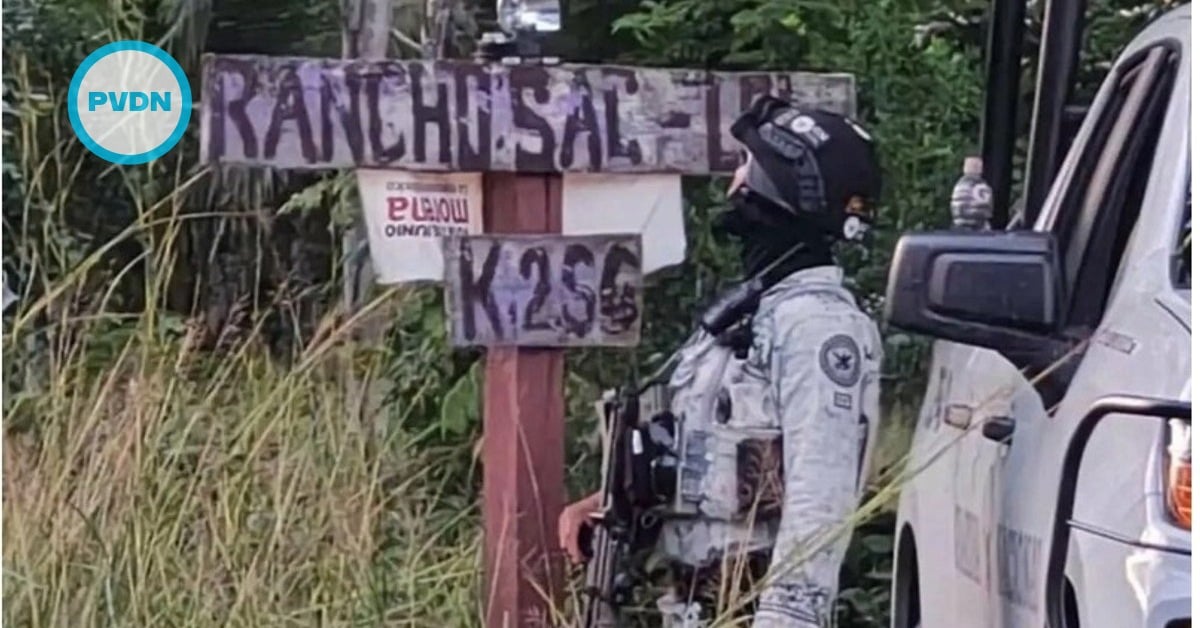
Prosecutors confirmed the discovery of human remains from 16 people at a ranch near Leona Vicario, a rural community in the municipality of Puerto Morelos. The site—known locally as Sac-Lol—was searched after investigators flagged “points of interest” and found burials under cemented patches of ground. Officials say excavation and identification are ongoing. The case is being coordinated from the state security complex in Cancún, where the fiscal general delivered the latest update.
Puerto Morelos clandestine grave
At the weekly security briefing, Fiscal General Raciel López Salazar said teams had located the remains of 16 people and transferred them to the state medical examiner for analysis. He emphasized that the work will continue until the entire property is processed. That aligns with earlier reports from the scene describing multiple “forensic interest” spots distributed across the ranch. The first sweep last week pointed to at least a dozen such areas; today’s count reflects what experts found once they started breaking through hardened surfaces.
The pattern here suggests planning. Investigators described grave sites concealed beneath cement or lime, a tactic seen in other parts of the country to slow decomposition and hide odors. For families of the missing, that detail is chilling, but it also offers a path to answers: anthropologists can extract DNA from bone fragments even after prolonged concealment. Authorities have not released identities or timelines. They say that it will depend on the lab. In the meantime, the ranch remains sealed while specialists dig, sift, and log every fragment.
Neighbors in Leona Vicario told reporters the movement of authorities began late last week, once a search team flagged the ranch on the Valladolid Nuevo–Leona Vicario corridor. The property has since been placed under guard. The state prosecutor’s office says it is pursuing leads on who controlled access to the land and who helped pour the cement. Those details will help establish whether the site served a single purpose over time or was used episodically by different actors.
As always, the most urgent questions come from relatives. Local search collective leaders said they were briefed about the discovery but were told to wait for genetic results before any possible matches. Identification will depend on the quality of samples recovered and the completeness of family reference profiles. That work can be painstaking, but it is also the only way to turn “unknown remains” into names, dates, and legal truth
To understand the weight of this find, consider the broader picture. Quintana Roo has recorded a rise in disappearance reports in recent years, according to civil-society trackers who collate official data releases. In 2025, the state has seen a significant caseload of missing-person reports, with girls and young women disproportionately represented among minors. That context is why each grave—and each identification—matters beyond a single case file.
What investigators will look for next
Prosecutors will try to link the graves to specific events: disappearances reported in nearby municipalities, known abduction patterns, and time windows suggested by decomposition and soil layers. Forensic teams will compare DNA from the ranch with samples provided by families. They’ll look for clothing remains, personal items, and ballistic evidence. If the graves span multiple episodes, each layer can tell its own story. The public will likely hear about identifications first, then arrests—if the evidence trail holds.
There’s also a national backdrop: Mexico continues to find clandestine graves even as public statistics have grown harder to track in recent years. Independent tallies and investigative reporting have stepped in to fill gaps when government dashboards lag or change methodology. That is why today’s confirmation in Puerto Morelos resonates beyond Quintana Roo. It is another reminder that the country’s crisis of disappearances is unresolved and demands sustained forensic capacity, transparent data, and support for families who do much of the searching themselves.
For now, the Sac-Lol ranch remains a closed crime scene. The number—sixteen—is provisional until identifications are complete. Behind the perimeter tape are technicians in Tyvek suits, not just counting remains but piecing together a sequence: who these people were, how they were killed, and who decided this was where their lives would end. Those answers, when they come, will start to turn a clandestine grave into cases, and cases into names that can finally be spoken.