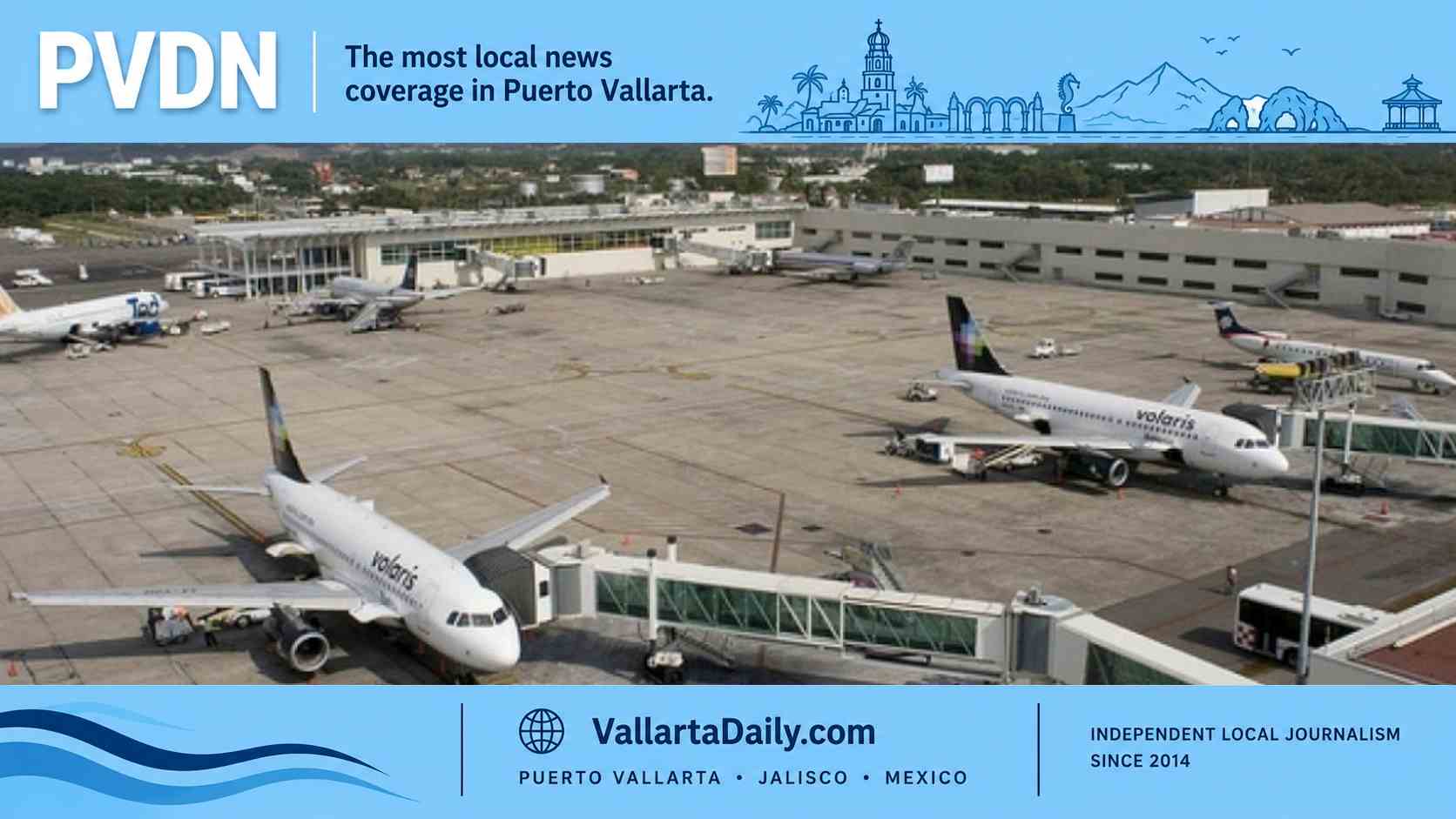
Puerto Vallarta, Jalisco, Oct. 6, 2026 — Puerto Vallarta International Airport tested its emergency response Tuesday with a simulated runway accident involving an aircraft carrying 80 passengers, airport officials said.
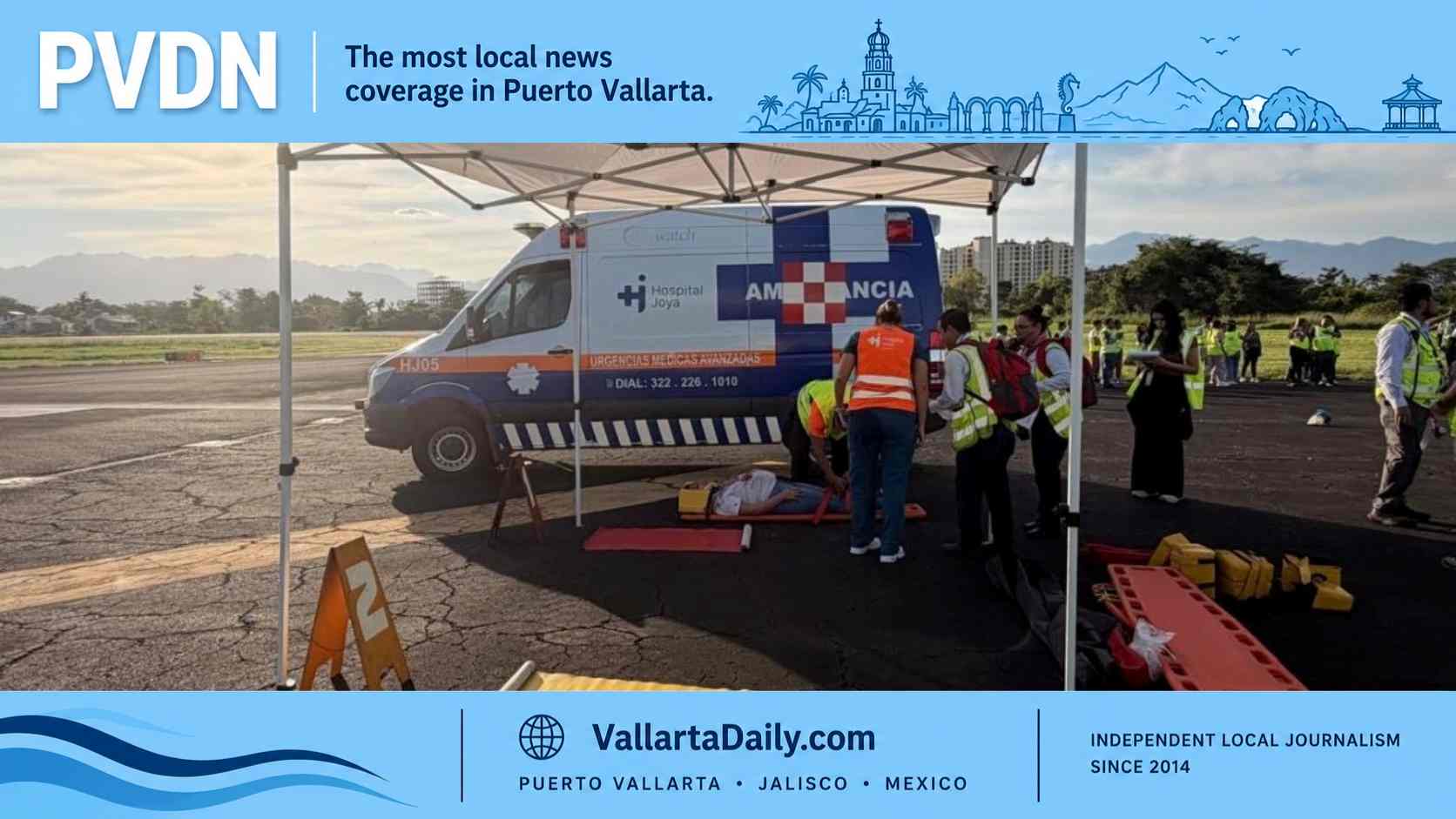
The scenario involved brake failure followed by an aircraft leaving the runway. According to the airport’s account of the exercise, crews practiced rescuing and treating 18 people playing injured passengers.
Grupo Aeroportuario del Pacífico, the airport operator, said the drill ran from 7:30 to 9 a.m. Flight operations continued without disruption.
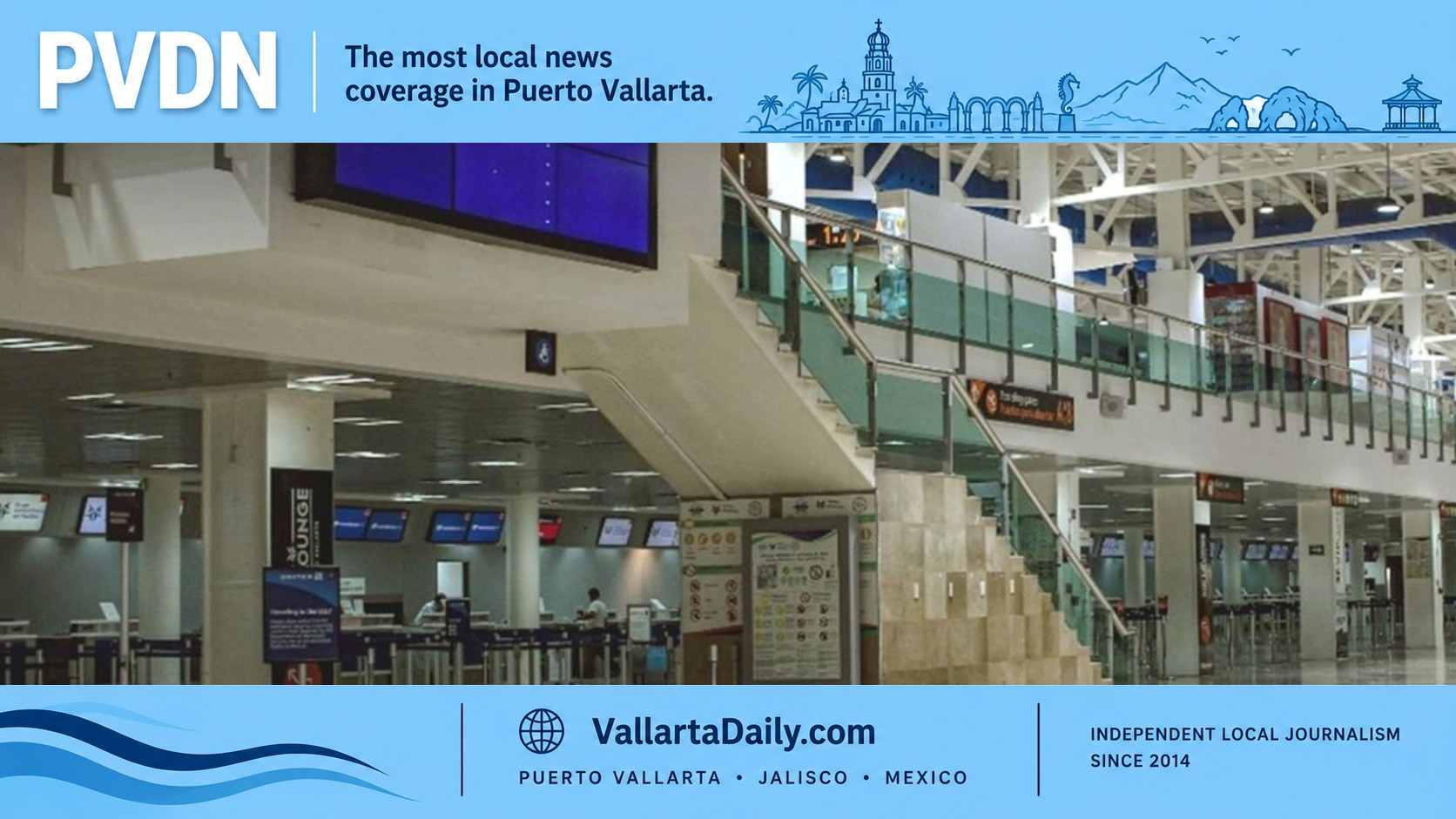
Emergency activity around the terminal
For passengers and residents near the airport, officials had issued an advance warning about emergency vehicles and personnel. The notice said the exercise would take place in a restricted area.
The operator says the airport serves both Puerto Vallarta and Riviera Nayarit.
Rescue and medical teams tested coordination
Airport officials said participants included state and municipal Civil Protection, the Red Cross and the Emergency Medical Care System, known as SAMU. Mexico’s Federal Civil Aviation Agency also participated.
The airport said its operations, security and medical staff worked alongside airlines and airport service companies. Teams activated the emergency plan and tested procedures for restoring airport operations after an incident.
“This drill is part of our commitment to continuous improvement and working with authorities to keep airports safe,” airport administrator Omar Torres Grajeda said in remarks about the exercise.
How the exercise fits emergency planning
We reviewed Mexico’s aviation safety standard, which requires emergency plans to coordinate across the organizations involved in a response. It also requires providers to retain drill records for five years.
The standard defines a full-scale drill as a practical exercise that deploys personnel, facilities, and equipment to test emergency procedures.
Tuesday’s aircraft emergency scenario follows the airport’s crowd-control drill on Aug. 17, which we previously covered.