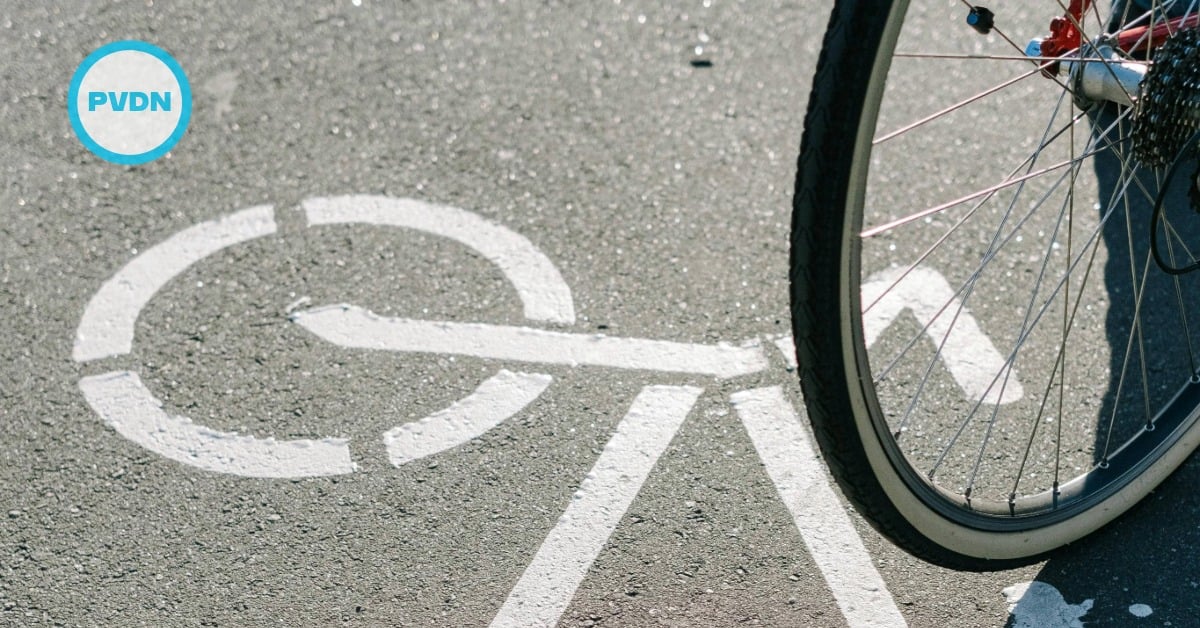
Puerto Vallarta approved a permanent program to repair 14 bike lane sections, aiming to protect 6,000 riders and cut car reliance across the city.
Puerto Vallarta has taken a concrete step to rescue its battered bike network. In a recent regular session, the city council approved a permanent program to rehabilitate and maintain Puerto Vallarta’s bike lanes, promising safer routes for more than 6,000 people who use bicycles to get around the city each day. The plan covers 14 stretches of existing infrastructure, adding up to more than 734,000 meters and connecting roughly 30 neighborhoods through a more continuous cycling grid.
The initiative was presented by councilor Erika Yesenia García Rubio, who has spent much of the year pushing for a structured response to the poor condition of the city’s bike lanes. After months of discussion in committees, the full council backed the proposal, which formally creates a permanent municipal program for maintenance and repair rather than a one-off patch job..
Municipal documents make clear why the change was needed. Many bike routes show visible deterioration: potholes, worn paint, missing or confusing signage, and obstacles that force cyclists into car traffic. Officials now acknowledge that years of limited maintenance have turned infrastructure meant to promote safe, non-motorized travel into a daily risk for riders.
At the same time, the city has been trying to position cycling as a realistic alternative to driving in a tourist destination choked by congestion. Just last year, state authorities inaugurated a high-profile segregated bike lane along Francisco Medina Ascencio, a project valued at 329 million pesos and promoted as a benefit for about eight thousand people. The new municipal program is meant to ensure that this flagship corridor ties into older, more modest routes that many residents already rely on.
Puerto Vallarta bike lanes as daily lifeline
The politics of this decision are closely tied to everyday frustration. Earlier in the year, the city’s Recreation and Sports Commission openly acknowledged a backlog in bike lane maintenance and admitted that much of the network installed by past administrations had fallen into poor condition. That same discussion floated the idea of a dedicated Active Mobility Council and a specialized office to track repairs and improvements, signaling that cycling issues were finally being treated as more than a side topic in traffic debates.
Grassroots pressure has also been building. Local mobility groups have spent months documenting blocked lanes, faded markings and dangerous junctions, and even organized actions to “recover” bike lanes and sidewalks from parked vehicles and informal obstacles. Those citizen efforts helped frame the new program as a response not only to technical studies, but to lived experience on the streets.
The council-approved initiative stresses that safe, continuous bike routes are vital for young people, students, workers and residents with lower incomes, who often depend on bicycles because bus fares and car ownership are out of reach. Keeping lanes in decent shape is presented as a way to cut long-term crash and health costs while offering residents a cheap way to get to work, school and services.
City officials also link the program to Puerto Vallarta’s tourism image. Well-marked, unobstructed bike lanes are seen as part of a modern coastal city that welcomes visitors who prefer to move around without cars. In a destination where tourism drives the local economy, leaders argue that visible investment in cycling can sit alongside beach clean-ups and pedestrian upgrades to create a cleaner, more orderly public realm.
What the rehabilitation program changes on the ground
The newly approved program commits the city to ongoing inspection, repair and repainting of bike lanes rather than sporadic fixes. According to the council’s own explanatory text, the focus is on eliminating obvious hazards such as potholes and broken surfaces, restoring line markings and signals, and removing physical obstructions. It also calls for closer coordination with public works, traffic police and urban planning departments so that new road projects do not erase or interrupt existing cycling routes.
Citizen participation is a formal part of the design. The initiative opens the door for community reporting systems, inspection brigades and collaboration with cycling collectives to flag problem spots and monitor completed works. That approach reflects lessons from the past decade, when new bike lanes were often built without a clear mechanism for residents to complain or suggest changes once the paint dried.
The plan is also tied to a broader conversation about climate and air quality. Research by international and Mexican organizations shows that the transport sector is now the single largest source of greenhouse gas emissions in Mexico, contributing roughly a quarter of the national total. Shifting even a small share of short urban trips from cars to bicycles can play a modest but fundamental role in lowering those emissions, especially in dense coastal cities where distances are relatively short.
For now, the city has not published a detailed construction timetable or cost breakdown for each of the 14 segments. Local reports indicate that the first interventions will likely focus on routes with the heaviest wear and on gaps between residential areas and tourist zones. Still, residents will have to watch closely to see how quickly those promises translate into on-the-ground work. What is clear is that Puerto Vallarta has finally put into writing a long-term commitment to its cyclists after years of letting paint peel and pavement crack.
In a city where traffic jams, rising fuel costs and climate worries are now part of daily life, the decision to invest in bike lanes is more than a cosmetic facelift. It is a test of whether Puerto Vallarta can treat cycling as basic public infrastructure rather than a side project. The success of this new program will be measured not by how many kilometers are announced, but by how safe and usable those lanes feel to the thousands of people who already trust their commute to two wheels.