Jalisco’s governor says a new state Civil Protection and Firefighters base in Puerto Vallarta is under evaluation after September’s destructive storm. City leaders offered land; the state is sizing up the project and scouting sites. While officials handed the first checks to 93 families this week, damage counts continue to settle, with reports ranging from hundreds of homes to more than a thousand impacted. A permanent base on the coast could cut response times the next time rain turns streets into rivers—and that may be sooner than anyone wants.
Puerto Vallarta Civil Protection base
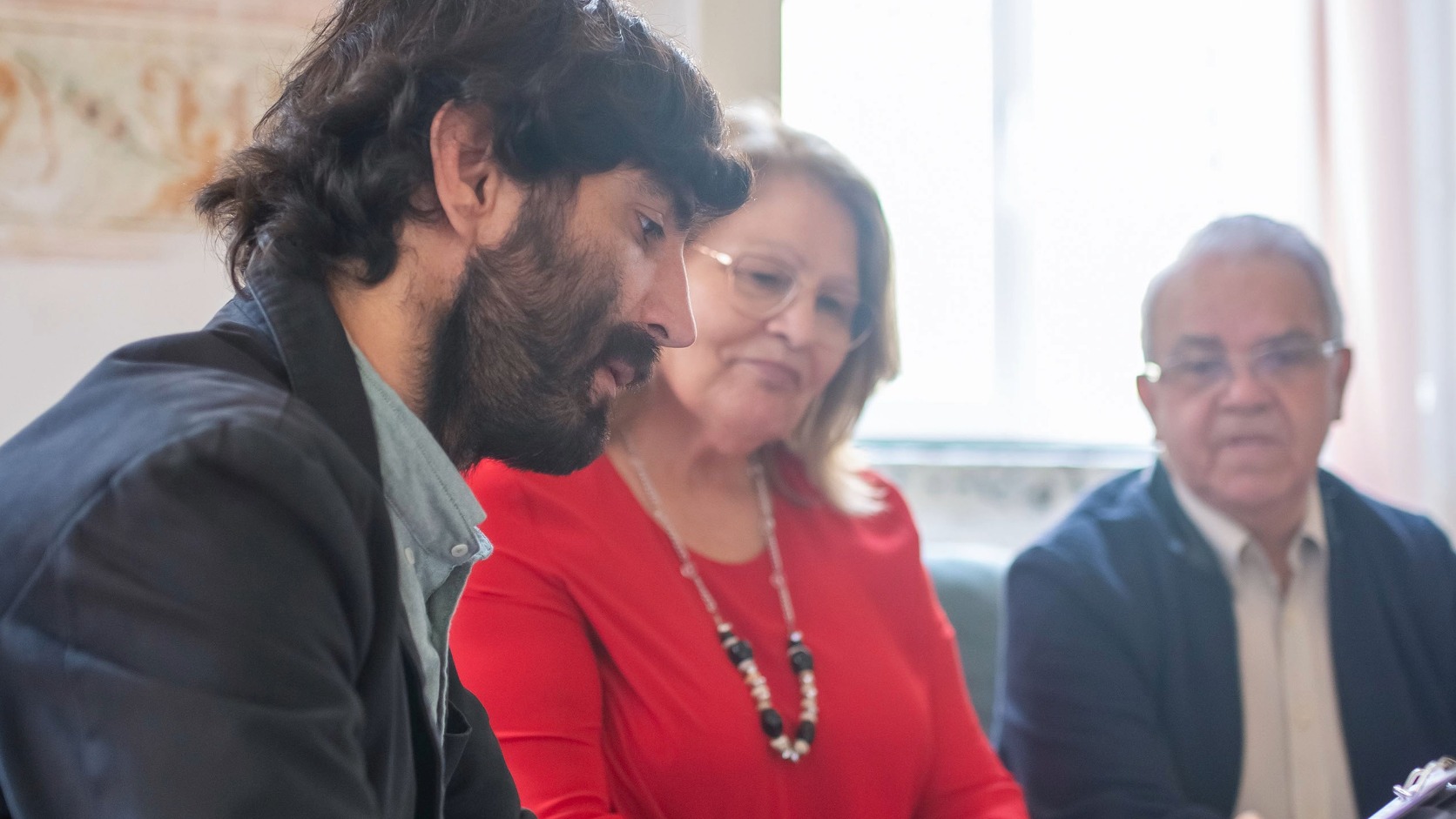
During a visit to Puerto Vallarta, Jalisco governor Pablo Lemus Navarro said his team is assessing a new strategic base for the State Civil Protection and Firefighters Unit in the city. He added that Mayor Luis Munguía is willing to donate land so the state can build in a location designed for fast coastal response. The idea surfaced as the government delivered the first support checks to residents hit by the September 19 storm.
The governor said the project remains in planning while officials analyze viable parcels and logistics with UEPCBJ commander Sergio Ramírez. The aim is simple: put crews and equipment closer to the bay and neighboring municipalities before the next emergency, not after. Puerto Vallarta Civil Protection capacity would expand with a permanent state-level base to complement the local command.
What the Sept. 19 storm revealed
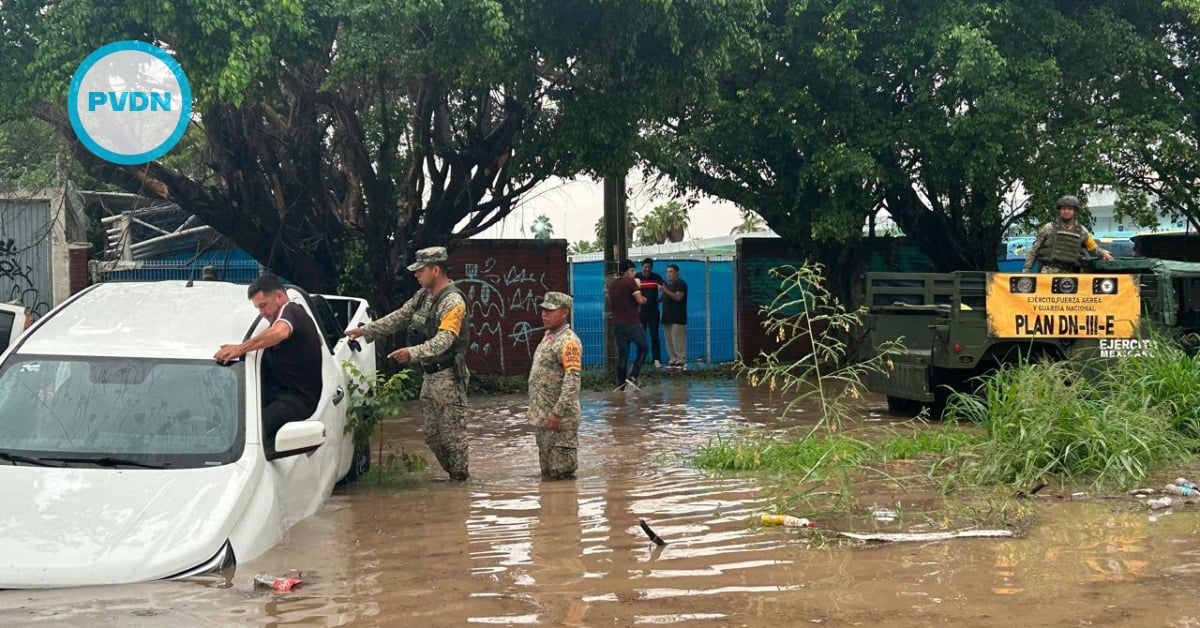
The case for a new base crystallized after hours of torrential rain on Sept. 19–20 swamped neighborhoods like Las Mojoneras. Early tallies put the impact at 703 homes, 85 businesses, and two schools, with a Black Hawk helicopter redeployed to the coast for rescues. Other outlets reported over 1,000 homes flooded and one death as canals overflowed—a reminder that counts shift as assessments mature. Even conservative estimates point to a severe event.
On Thursday, Oct. 16, the state handed 93 checks—about 2.5 million pesos—to families from Las Mojoneras whose homes were damaged. Officials said more aid will follow as teams finish door-to-door verifications begun last weekend. The governor’s office and multiple local outlets published the exact figure and location, aligning with what residents saw on the ground.
What a coastal base would change
A state base inside the metro would cut response times when canals breach or surf and wind batter the bay. It would also formalize coordination among state, municipal, and federal crews—SEDENA, SEMAR, the National Guard, and Red Cross—whose joint deployment after the storm was decisive. With climate volatility increasing the frequency of “ordinary” rain, staging more people and kit closer to flood corridors could be the difference between clearing streets and evacuating blocks.
The administration now has two parallel clocks. The first is near-term recovery: muck-outs, canal dredging, and household replacement for the families most affected. The second aspect is long-term resilience, which involves picking a site, securing the land transfer, funding the build, and clarifying how the state base meshes with city operations. The visit to Vallarta signaled momentum on both fronts, but the real test will be how much changes before the next gray wall of rain appears over the mountains.