For Puerto Vallarta’s condominium managers, this winter has brought a welcome surge in occupancy — nearly 80% of units are filled, thanks to a robust high season. It’s a hopeful sign for the city’s tourism-fueled economy and a busy time for condo communities. Yet with the seasonal spike in residents and visitors comes a less glamorous side: increased pressure on basic services. Garbage collection woes and water usage strains are on the radar, raising questions about how the city will handle the demands of an exceptionally crowded season.
High Season Fills Puerto Vallarta Condos
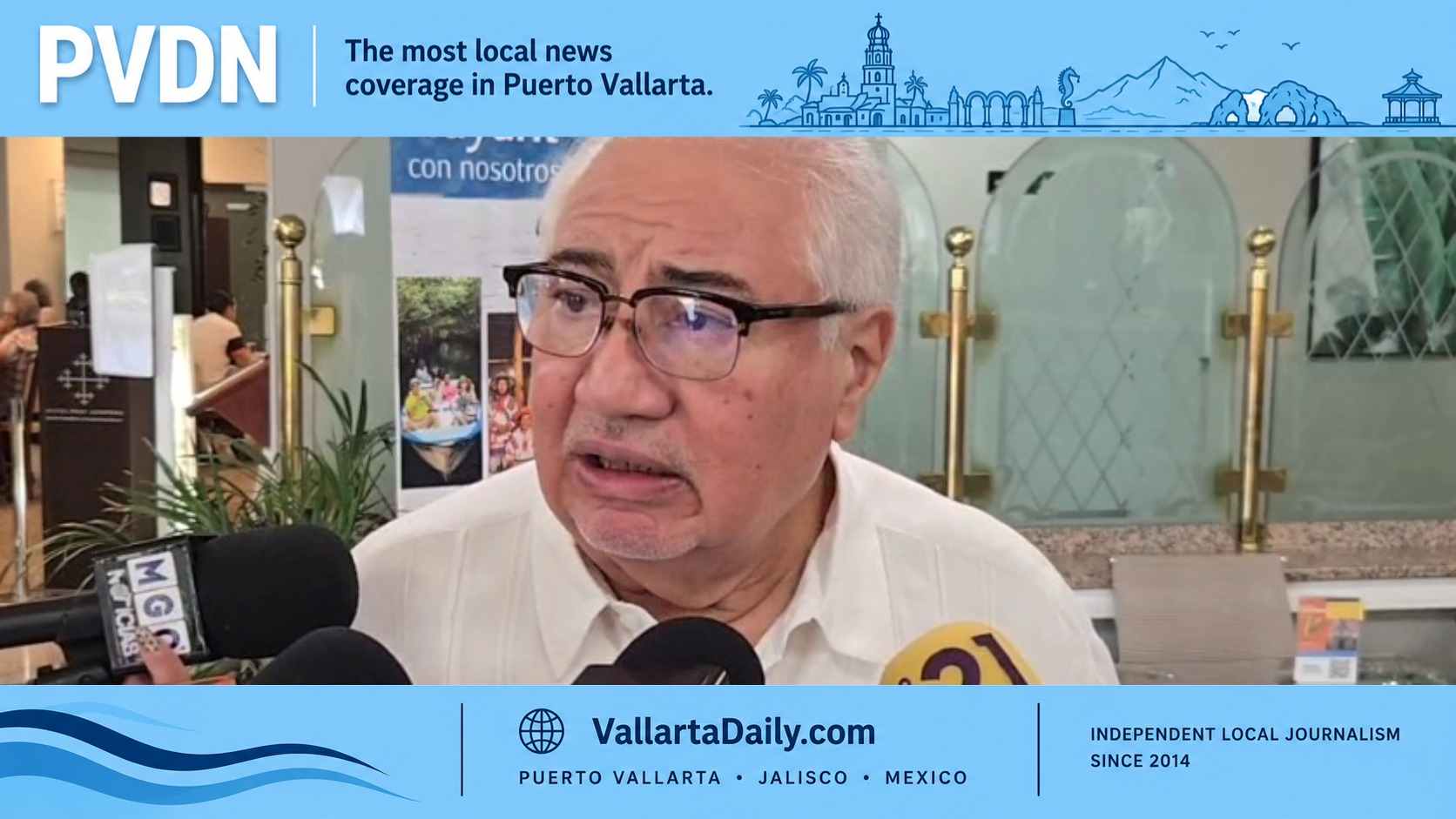
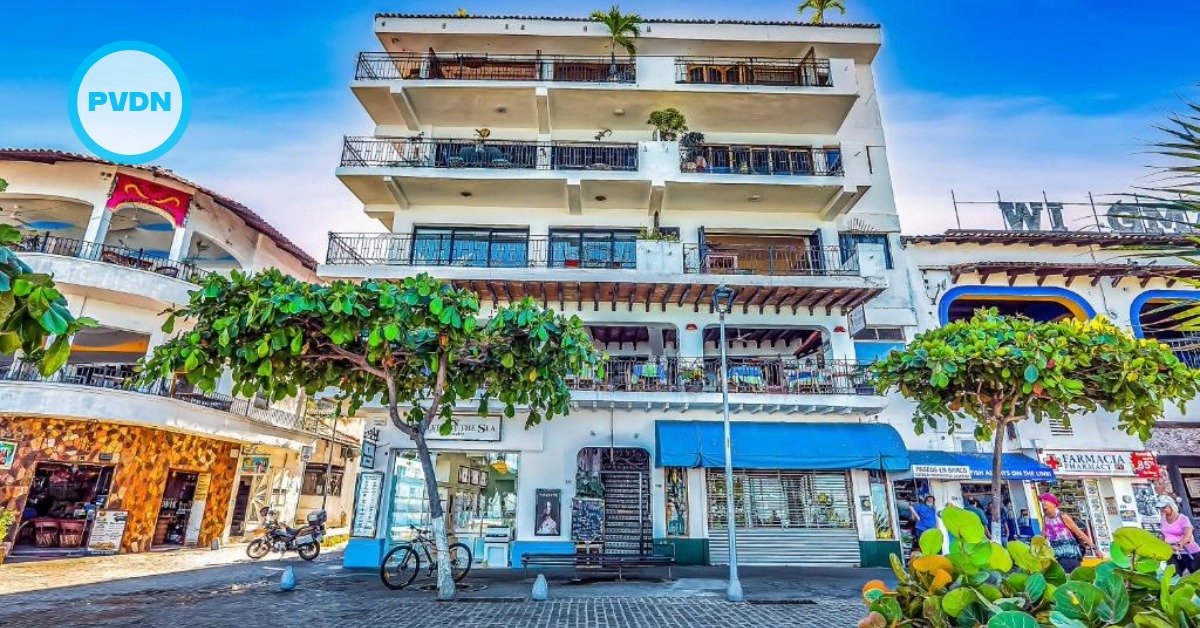
Condominium complexes across Puerto Vallarta are experiencing near-capacity living this winter. Occupancy is hovering around 70 to 80 percent in many buildings, a level the local condo administrators’ association calls very healthy for the peak season. “We’re at pretty good occupancy, around 70 to 80% in the condos,” said Denisse Ruiz, president of the Puerto Vallarta Association of Condominium Administrators. This robust influx of snowbirds and vacationers has created a favorable moment for the city’s condo sector as the tourism high season is in full swing. Many seasonal residents have arrived to enjoy the warm climate, filling up units along the coast and downtown.
Ruiz noted that early each year is also the busiest time for condominium management internally. The first quarter is when most condo complexes hold their annual meetings to set budgets, elect boards, and plan projects for the year. “The next three months are our heaviest of the year, because of the assemblies,” she explained, referring to the annual condo association meetings. In those gatherings, owners and administrators decide everything from maintenance budgets to special improvement projects. With so many owners in town and high occupancy, these meetings are crucial for keeping operations on track and addressing any building issues promptly.
Busy Season Puts City Services to the Test
However, the surge in occupancy is also exposing some strain on Puerto Vallarta’s city services. Public infrastructure has become the top concern for local condo managers in 2026. “Definitely public services,” Ruiz emphasized when asked about the sector’s biggest challenges. “The issue of garbage collection and the increases in services like water from SEAPAL,” she said, listing her primary worries. The high volume of residents and guests means more trash and higher water usage, testing the capacity of the utilities.
Garbage collection, in particular, has been a pain point. In late January, Puerto Vallarta’s contracted trash service suffered a brief disruption, leaving some neighborhoods without pickups for a short period. That pause stemmed from a financial dispute between the city and its waste contractor. It forced condo administrators to scramble for backup plans to keep garbage from piling up. “We definitely can’t just sit back and wait — we have to have alternate solutions,” Ruiz said, recalling how managers had to react quickly during the interruption. Fortunately, the service halt was resolved within a few days following swift action by city authorities. Condo managers worked together to file urgent reports and place calls to officials, and regular trash pickups resumed before any health issues arose.
Water service is another mounting concern amid the condo boom. Puerto Vallarta’s water utility, SEAPAL Vallarta, has introduced higher rates this year to support infrastructure needs, including a new surcharge for tourist-oriented rentals. That means condominium complexes are facing rising water bills as their residents’ consumption peaks. Some local residents have even complained of low water pressure or spotty service in peak times, adding to the worries. The condo administrators’ association is organizing a united front to engage with City Hall on these issues. “We’re working hand-in-hand and in unity,” Ruiz said, “to push the municipal government, in the best way possible, to provide the services all our condo owners require.”
Condo Managers Look Ahead and Adapt
Even as it grapples with seasonal challenges, Puerto Vallarta’s condominium sector is taking steps to elevate its professionalism. The administrators’ association, led by Ruiz, has about 50 members who manage many of the city’s condo properties. The group is actively expanding and training its ranks to tackle common issues more effectively. In fact, the association is coordinating with peers in other regions for an upcoming international certification program in April. This will allow local condo managers to earn a globally recognized credential and align with best practices. Ruiz described the planned certification as a top-tier opportunity that can help Puerto Vallarta’s condo administrators meet higher standards of quality and service.
These efforts come at a time when the condominium market has become a pillar of the local economy. There are roughly 1,860 condominium complexes in Puerto Vallarta, reflecting the city’s growth as a major beach destination and expat hub. With so many homes and vacation units under management, staying organized and proactive is critical. Condo leaders believe that by boosting their expertise and working closely with authorities, they can keep residents happy even as Puerto Vallarta’s popularity rises. High occupancy is certainly good news, but maintaining livability will be the true test. Everything from reliable trash pickup to a steady water supply will determine how well the city’s condo lifestyle thrives through this busy season and beyond.