Puerto Vallarta cultural heritage protection
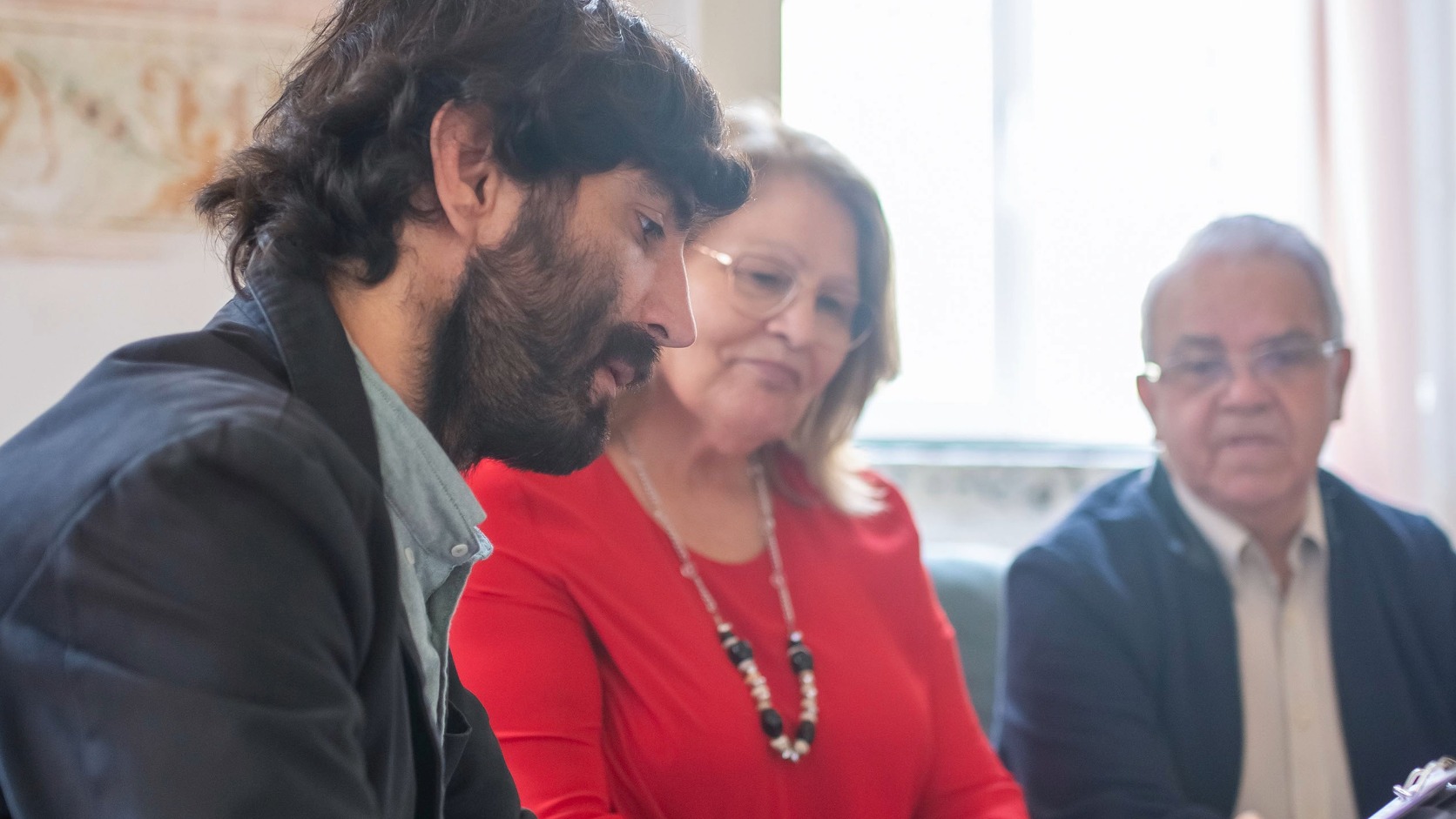
Prodeur met with Puerto Vallarta and Jalisco cultural authorities to close ranks around the city’s built heritage. The agency stressed that any work in areas of heritage value must follow the law to the letter, a point echoed by its chief, Saúl Ramos García. The meeting also included the city’s mayor and the state’s director of Cultural Heritage, signaling political backing as rules tighten.
What changes now
City officials plan to update urban planning instruments and construction and image regulations. In parallel, Prodeur is reviewing projects within the Historic Center Protection Zone, commonly referred to as the Fundo Legal. Two properties are already under oversight at 704 Morelos and 114 Aldama, an early test of the renewed coordination. The agency underscored that any work inside this perimeter needs approval from the competent authorities to be both legal and appropriate.
Why the Historic Center is different
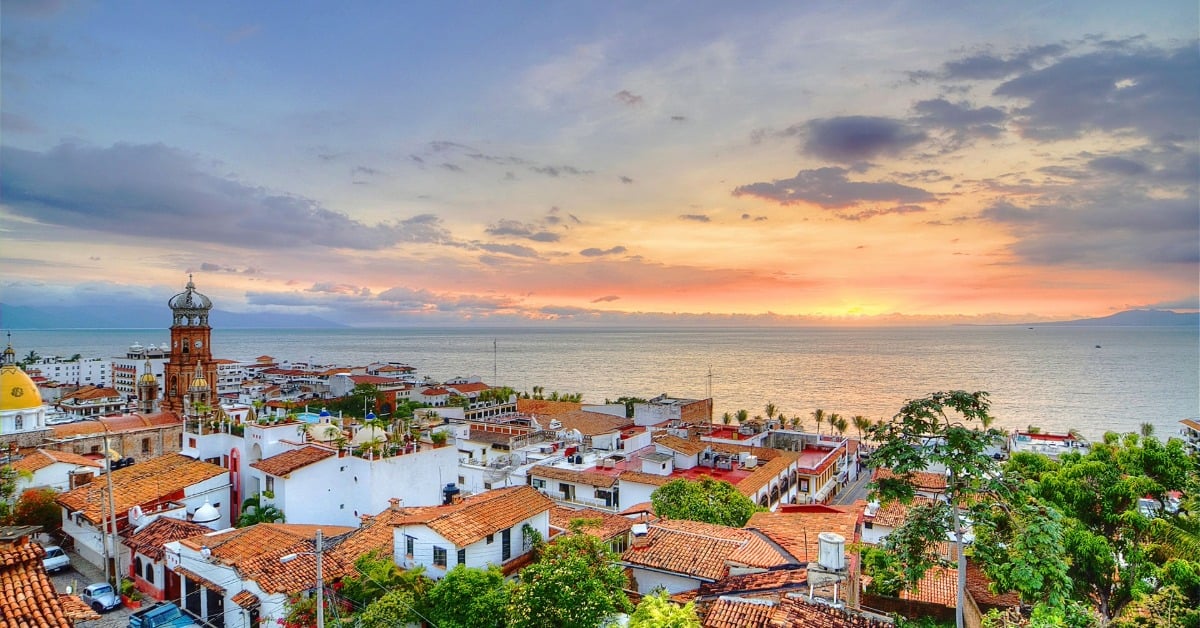
Puerto Vallarta’s old town has carried a special protection designation since 2018, when the state government recognized the Fundo Legal polygon as a protected zone. The declaration covers the area’s urban image and architectural elements, which raises the bar for changes to buildings and streetscapes. Multiple outlets documented the designation at the time, reflecting its legal and cultural weight.
Approval is not optional
Prodeur’s core mission is to advise and accompany municipalities on technical and legal urban matters. In practice, that means backing local enforcement when projects touch heritage fabric and stepping in when coordination breaks down. With updated city instruments and Prodeur’s supervision, approvals should move from being a box to tick to a substantive safeguard for the old town’s identity.
Past controversies show the stakes
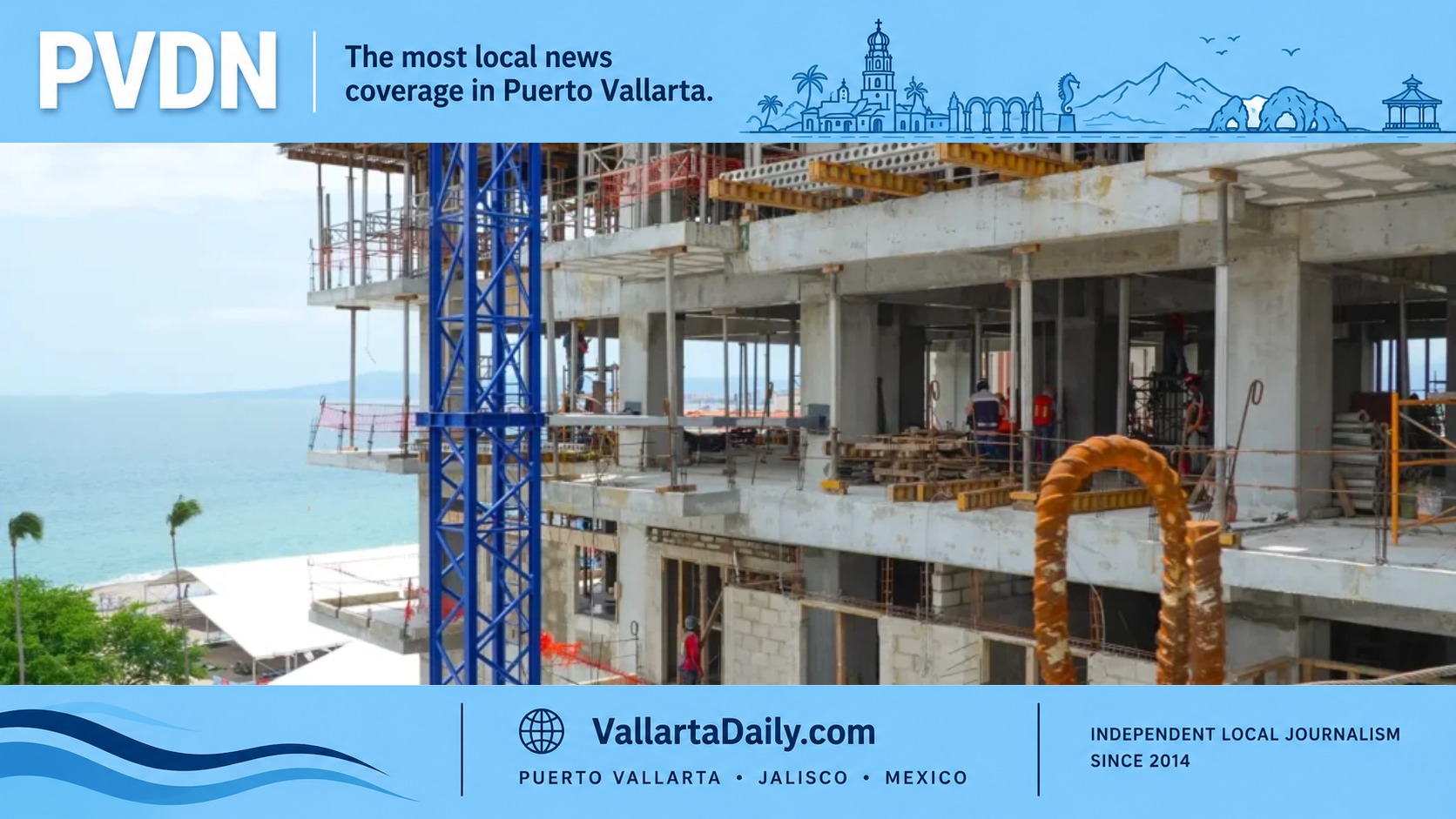
Demolition and major interventions in the Historic Center have drawn scrutiny in recent months. Reporting this summer cited state-level approvals that allowed the teardown of a deteriorated property in the protected area, sparking public debate over criteria, transparency, and enforcement. That backdrop explains why renewed coordination and explicit insistence on prior approvals matter now. They make it harder for sensitive projects to slip through without full review.
What to watch at street level
Oversight of the Morelos and Aldama addresses will reveal whether the new coordination works in practice. If approvals are transparent and grounded in the rules, residents should see needed maintenance and adaptive reuse proceed without eroding the district’s character. If not, the cycle of stop-start works and public backlash could continue. Prodeur’s public commitment to inter-institutional work is a step toward the former. The test is consistent, lawful enforcement as projects move from plans to permits to construction.