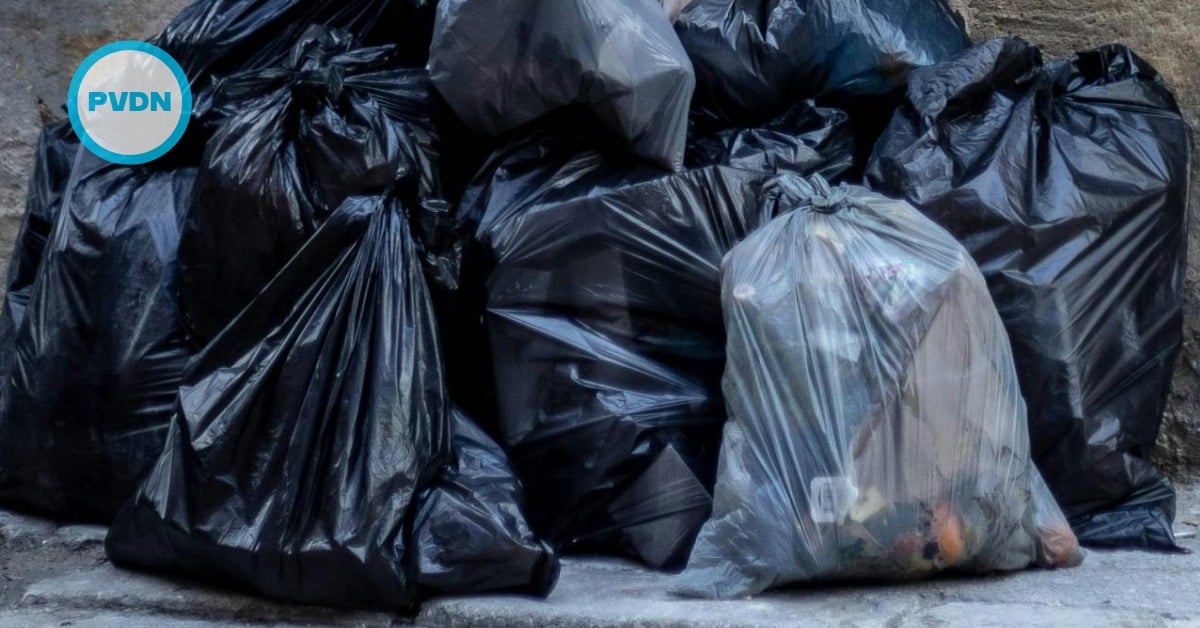
Families keep setting bags down next to the “no dumping” signs. Corners and vacant lots fill again a day after cleanups. The city’s own crews say they collect tons each week from places that were never meant to be collection points. That is the picture neighbors and municipal workers describe as Puerto Vallarta illegal dumping persists despite months of warnings and cleanup drives.
Puerto Vallarta illegal dumping
City documents show the council voted this summer to order a coordinated plan: more education, and a legal review to raise sanctions for anyone who dumps trash in streets, beaches, canals, arroyos, or other waterways. The measure directs Communications, Civil Protection and Inspection, Efficient Services, Environmental Sustainability, and Public Education to design the campaign and study harsher penalties.
The rationale is blunt in the official record: loose waste in canals and arroyos washes toward the bay, clogs drains, and heightens flood risk during the rainy season—while hurting the city’s image. Those points are laid out in the initiative that accompanied the council agreement.
Puerto Vallarta already forbids dumping in public spaces. The municipal Ecology Regulation makes it illegal to deposit solid waste on the ground, in ravines, canals, or any public area, a rule that has been on the books for years.
On the streets, signs and social messages have tried to nudge behavior, but crews still report piles left outside authorized hours and zones, especially in denser neighborhoods. Residents who follow the rules are asking for more patrols and quicker penalties for repeat offenders.
What tougher enforcement could look like
Other Jalisco cities offer a preview. Guadalajara has relied on its Justice Civic Regulation to sanction people who litter or dump, reporting more than 1,000 individuals sanctioned this year alone, with penalties that can include fines or community service. Local coverage there lists fine ranges that scale up for serious or repeat cases.
Puerto Vallarta’s own records also acknowledge service gaps in trash collection that complicate the picture, noting recent “deficiencies” and a limited response capacity during the rainy season. The city’s August agreement formally pressed for better performance and oversight while reminding that collection is a constitutional duty of the municipality.
That dual track—tightening enforcement while improving collection—may decide whether the problem eases. Officials have signaled a wider public-education push is coming alongside the legal review on sanctions. The aim is to reach residents where the message hasn’t stuck: not only with signs, but with consistent schedules, clear instructions, and consequences that arrive fast enough to matter.
For now, the hotspots persist. City workers say the same corners, canal banks, and empty lots keep drawing bags and debris, especially when pickup times are missed or unclear. Each rainstorm exposes the cost—blocked drains, floating trash, and beaches that need extra cleanup after the water recedes. The law already says not to dump; the council has now put enforcement and outreach on notice. The next question is whether the follow-through matches the urgency on the ground.