Puerto Vallarta’s LGBTQ+ groups met with state and city officials. They left with three concrete promises: dignified HIV testing, a path to recognize Pride as intangible cultural heritage, and a designated liaison in the Regional Prosecutor’s Office for LGBTQ+ victims. Advocates say it’s a start, not the finish. The state’s Sexual Diversity Directorate agreed to push the agenda with the agencies that control budgets and procedures. The city signaled support. Now the test is delivery—on paper and on the ground—so care, culture, and justice reach the people who need them most.
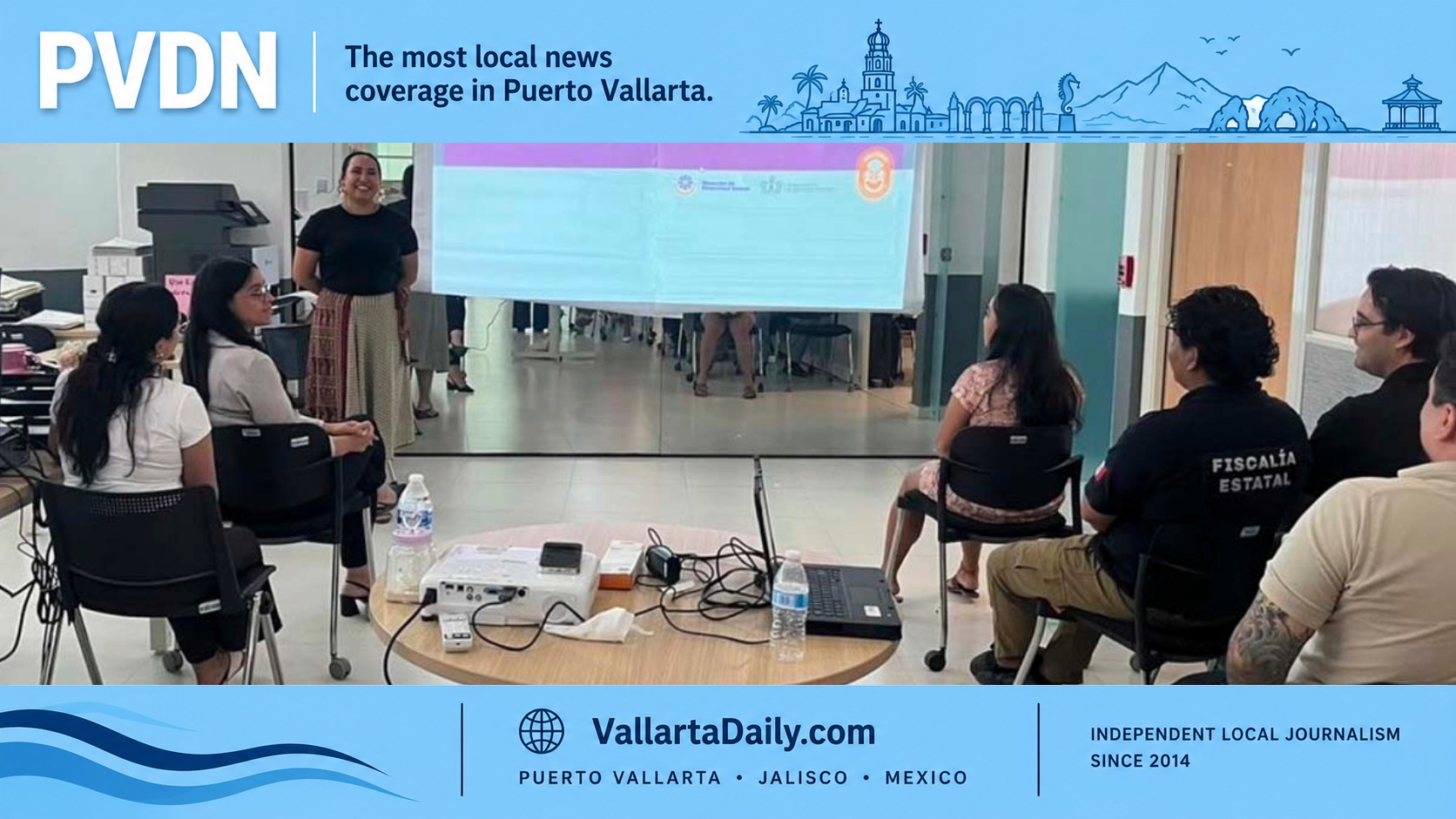
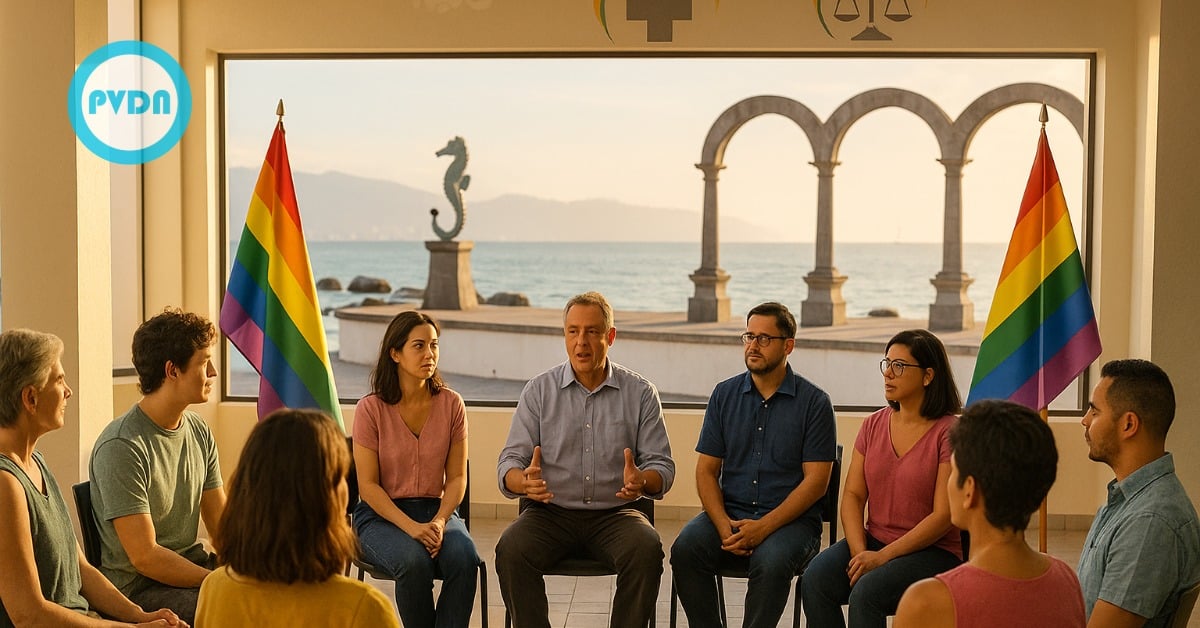
Officials and local LGBTQ+ groups met this week and agreed on three priorities: dignified access to HIV testing, steps to recognize Vallarta Pride as intangible cultural heritage in Jalisco, and a prosecutor’s office liaison for LGBTQ+ victims. The talks brought together authorities from Puerto Vallarta and Jalisco’s Sexual Diversity Directorate, led by Viviana Arce, after months of outreach by Councilwoman Melissa Madero and community networks. These are commitments, not yet policy, but they set a track for concrete actions.
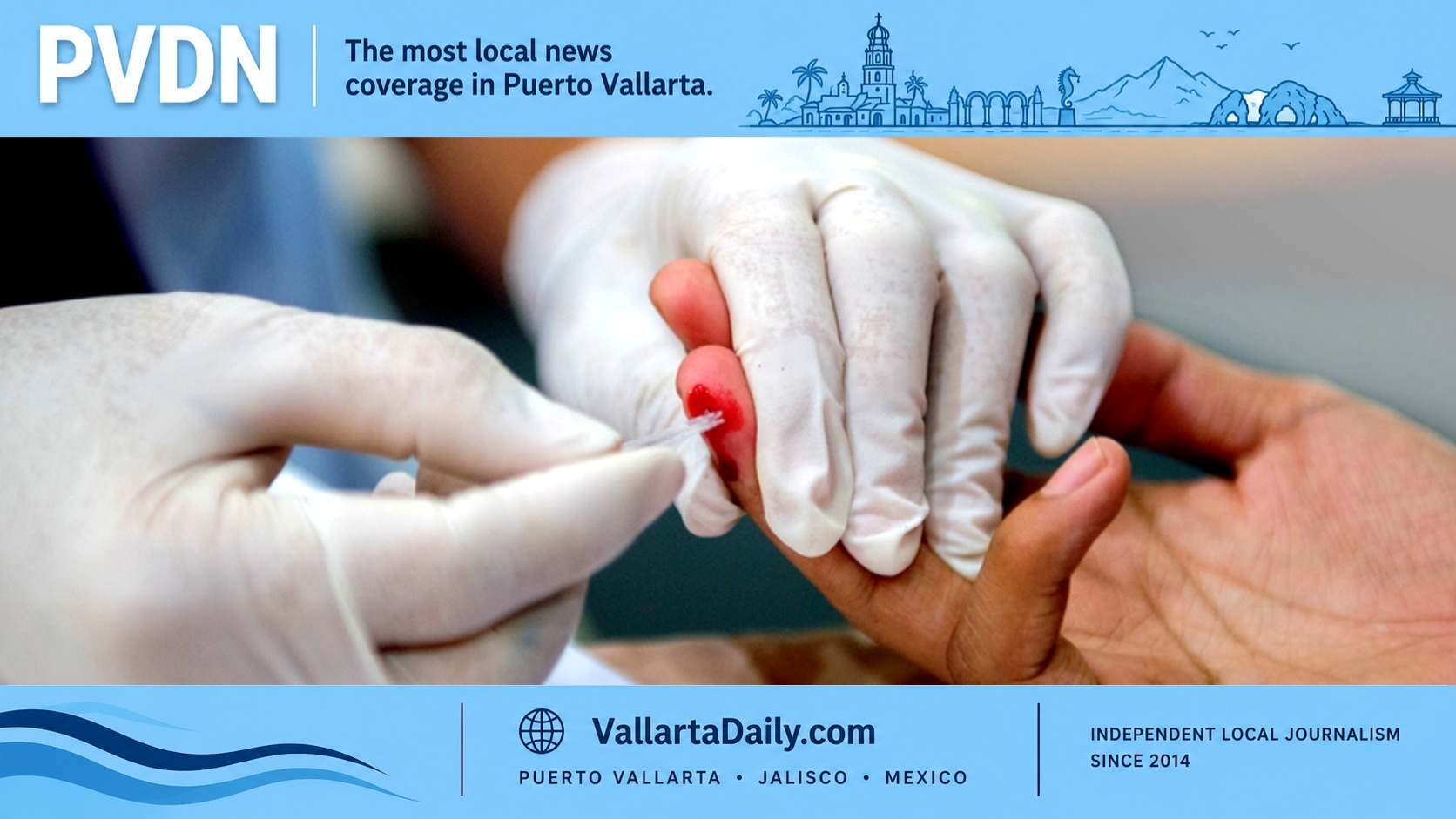
Community groups pushed for specifics. “Dignified testing” refers to reliable clinical tests that are conducted without stigma and have clear pathways to care. Advocates link that to Vallarta’s higher HIV burden compared with other tourist towns and the city’s year-round LGBTQ+ draw. The health component will require coordination with state laboratories and local clinics, as well as stable supplies for CD4 and viral-load tests. The Sexual Diversity Directorate said it will shepherd the asks to the agencies that control resources.
Heritage status for Pride is the culture pillar. Vallarta Pride already anchors the city’s global profile and draws tens of thousands every May. Recognition as intangible cultural heritage would formalize its place in Jalisco’s cultural calendar and could unlock preservation tools and funding. Officials and organizers have strengthened cooperation since spring, when the city and the festival formalized a partnership. The question now is whether heritage boards and cultural institutes will accept the case and move it through the review process.
Justice is the third plank. A designated liaison within the Regional Prosecutor’s Office would provide LGBTQ+ victims with a named contact trained in rights-based protocols. That could speed complaints, reduce revictimization, and improve follow-through on investigations. Similar requests surfaced earlier this month in meetings with the same state directorate; today’s commitments echo that agenda and provide a local venue. Implementation still depends on the prosecutor’s chain of command.
Why it matters now
Puerto Vallarta’s LGBTQ+ economy and culture are central to the city’s identity. Pride week fills hotels, powers small businesses, and projects a message of welcome. But celebration has to coexist with real needs—timely HIV testing, consistent treatment access, and complaint pathways that people trust. Moving these Puerto Vallarta LGBT commitments from paper to practice would show that the same city that markets inclusion also invests in it.
There are reasons to think the timing is right. Jalisco’s Sexual Diversity Directorate has been visible in Vallarta since Pride season and says it offers municipal advisory support. Local officials have also leaned into LGBTQ+ issues, with Madero building bridges between business, culture, and public policy. Those relationships made this week’s table possible. They will also determine whether the paperwork turns into training, budgets, and service hours.
What happens next will be simple to judge. Clinics either expand dignified testing or they don’t. A heritage file for Pride either enters the Jalisco register or it stalls. The prosecutor’s office either names a liaison and trains staff or it offers more vague assurances. For now, the city and the state directorate have put commitments in writing. The community will keep the scorecard.