City Hall opened the door to dialogue. The Malecón work stays. After a hotel-room summit with merchants, taxi operators, and neighbors, officials said the project will move fast, add drainage to stop rainy-season flooding, and keep two vehicle lanes open with space for taxis and bikes. The timeline is reduced to six weeks to avoid peak tourist traffic, and relocation or financial support is available for businesses most affected. The northern extension will still begin this month. The question now is whether the city can deliver—without breaking downtown’s rhythm.
City opens talks, keeps work moving
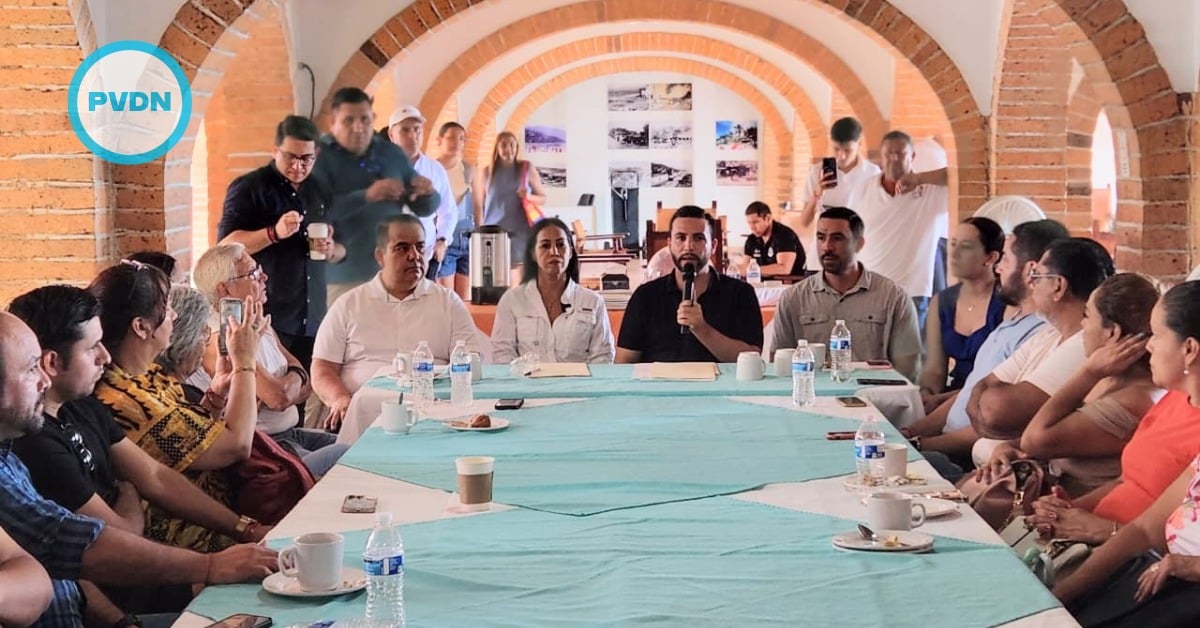
City officials met with merchants, taxi operators, and downtown neighbors after work on the Malecón’s expansion sparked pushback. The mayor presented plans, fielded complaints about timing, and confirmed the project will continue. Key changes: a shorter construction window and drainage upgrades aimed at flood-prone intersections that routinely turn into streams in heavy rain.
The scope is bigger than a resurfacing. The northern stretch will be extended from 31 de Octubre to Argentina, linking the promenade to Parque Hidalgo in 5 de Diciembre. Work is slated to begin in late October, tying downtown’s pedestrian heart more closely to a busy neighborhood that has long asked for safer waterfront access.
Puerto Vallarta Malecón expansion
Merchants argued that the start date collides with the early high season and cruise traffic. They worry about reduced footfall, street bottlenecks, and the sustainability of their sales behind barricades. Those concerns—real and immediate—helped pry concessions from City Hall: a six-week timeline instead of months, and targeted mitigation to keep the area alive while crews work.
Mobility is the pivot. The city says two vehicle lanes will remain, one prioritized for taxis, with the bike lane preserved as the area moves toward a more semi-pedestrian feel. Taxi Site 2 would be relocated, a flashpoint that fueled the protests in the first place.
The drainage piece is not cosmetic. Avenues México, 31 de Octubre, and Jesús Langarica flood fast during storms. New stormwater works are built into the plan—unsexy, but decisive if downtown is going to keep functioning when summer rains hit.
What “six weeks” really demands
Fast-track schedules collapse when utilities or permits lag. The city says the project begins in late October, with completion before the peak winter season. That goal will only hold if traffic management, materials, and night shifts are aligned from day one. Independent outlets covering the reveal have repeated the late-October start, underscoring how little cushion there is.
One more pressure valve: support for affected businesses. Officials are considering relocation assistance and potentially financial aid for the most exposed storefronts. That won’t fix everything, but it could keep payrolls intact while jackhammers move block to block. The administration also signaled it will keep meeting with stakeholders as details are refined.
The city chose to listen without losing momentum. The Puerto Vallarta Malecón expansion now carries public promises: keep traffic moving, tame stormwater, finish in six weeks, and cushion merchants who take the hit. If those promises hold, downtown could enter winter with a safer, more connected waterfront. If they slip, the pain hits fast and in plain view.