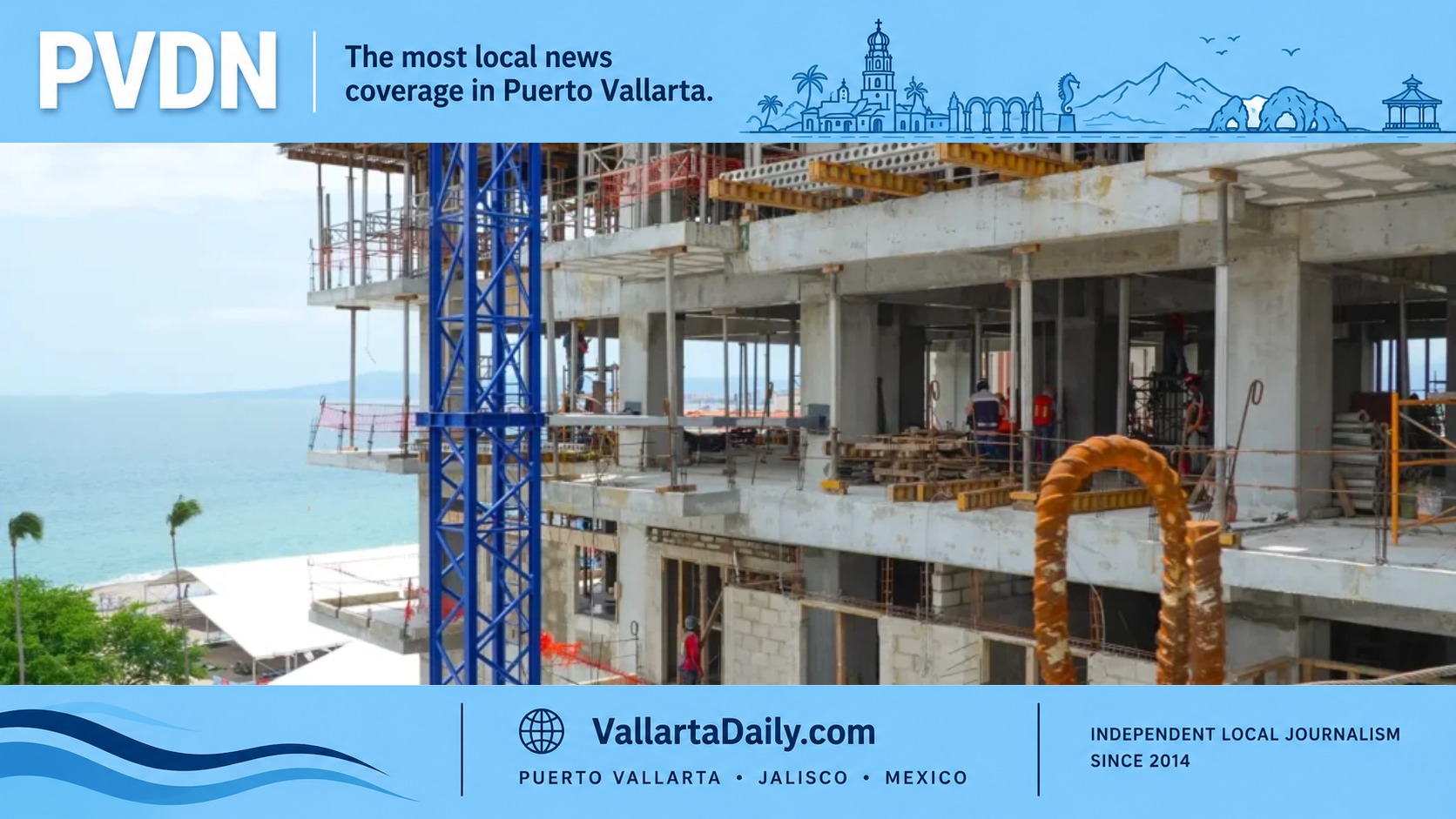
Puerto Vallarta isn’t just filling hotel rooms; it’s stretching at the seams. Visitors keep coming for the beaches, the food, and the rhythm of the streets. That energy has helped local businesses and nightlife—but it’s also tightened the daily squeeze: slower commutes, circling for parking, and public works under strain. City hall’s answer is not a single ribbon-cutting, but a cluster of moves aimed at making the city easier to live in and easier to visit.
Untangling the north-end bottleneck
Ask any commuter where time disappears, and they’ll point north of the airport. The Las Juntas junction serves as a bottleneck, funneling local traffic, Riviera Nayarit trips, and highway movement into the same pinch point. Upgrades on the table focus on flow and basic safety: more lane capacity, new sidewalks, and better lighting. Planners believe the fix could help well over 100,000 people a day. The goal is simple—spend less time stuck and more time where you’re going.
A waterfront that works for people
Farther south, the city is betting on a longer, cleaner, and more welcoming Malecón. The extension will run from 31 de Octubre to Venezuela Street and tie into Parque Hidalgo, creating a clearer gateway into the historic core. Expect practical upgrades, not just pretty touches: improved lighting, planted areas supported by modern irrigation, and smoother access for people on foot. It builds on restoration work started in 2024, including a refresh of the colorful “Puerto Vallarta” letters that travelers line up to photograph. The underlying idea is to move people along the waterfront without jamming the narrowest streets of the center.
Parking you can actually plan for
Inside the busiest neighborhoods—Zona Romántica, Centro, Versalles, and Marina Vallarta—the city is preparing to swap paper tickets for phones. App-based meters with QR payment, set at roughly one U.S. dollar per hour, are designed to open up high-demand curb space and reduce the endless loop of cars hunting for a slot. If it works, it should bring a little predictability to short stops and deliveries, and a little relief to residents who rely on street parking. However, this plan has been put on ice after public protests.
Bicycles as a real option, not a slogan
The plan isn’t all about cars. A free public bicycle system is in the pipeline, starting with the basics: repair and expand bike lanes, then place solid racks where people actually go—Plaza Caracol, Plaza Lázaro Cárdenas, and along the south stretch of the Malecón. The city says lodging-tax revenue will help fund the effort, linking the tourism economy to minor, practical improvements that locals feel. If routes are safe and direct, bikes become more than a nice photo; they become an obvious way to move through a few neighborhoods without starting the car.
Tourism paying for the essentials
There’s also a policy lever aimed at matching growth with upkeep. A proposed municipal charge on short-term rental platforms—between one and three percent—would sit alongside the state’s four percent lodging tax. Those pesos are earmarked for the work that goes unseen on Instagram but is widely noticed when it fails: clean-water systems, wastewater management, and maintaining green areas and beaches. It’s a simple tradeoff—more visitors, more revenue, more capacity to keep the city livable.
The balance the city has to strike
Puerto Vallarta is trying to maintain its identity while growing. Extending the Malecón favors people over cars in the historic zone. Fixing Las Juntas aims to keep the whole metro area moving. App meters and bike infrastructure speak to the daily reality of crowded streets. And the rental-platform tax signals that growth should underwrite the infrastructure it leans on.
None of this is a magic wand. Construction brings detours. Parking rules can spark arguments. New bike lanes need maintenance and respect. But taken together, these moves point in one direction: a city that grows in ways residents can live with, and visitors can enjoy without grinding the gears of everyday life.
If Puerto Vallarta can land that balance—mobility first, services funded, waterfronts for people—it sets a valuable example for coastal cities facing the same pressures. The message is not “build more,” but “work smarter,” so the city’s charm doesn’t get lost in its success.