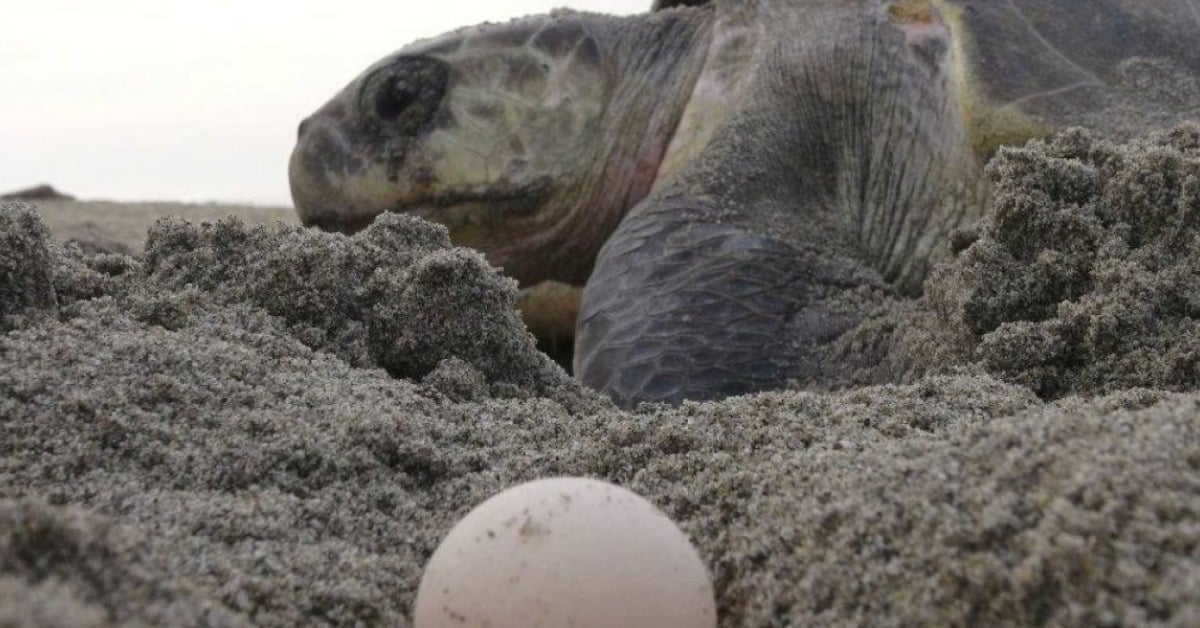
Boca de Tomates is in the thick of its nesting months. Volunteers report busy nights for Olive Ridley turtles and steady community turnout for releases. Yet the same beaches face a stubborn threat: the theft of eggs for illegal sale and home consumption. That trade persists despite clear criminal penalties and documented health risks. This season’s story is both hopeful and urgent. It hinges on whether patrols, prosecutors, and the public can keep poachers away long enough for hatchlings to reach the surf.
Boca de Tomates sea turtle season
The Olive Ridley’s nesting calendar in Puerto Vallarta runs mainly from August through December, though early arrivals can start by mid-July. On peak nights this month, volunteers at Boca de Tomates are counting roughly 32 to 34 nesting females, a sign of a strong season after recent down years.
Carlos Alberto Hernández, who directs the Nakawe A.C. program working on Banderas Bay beaches, says the bay is rebounding after the La Niña slump. Activity at Boca de Tomates has surged, consistent with reports from municipal patrols that have recovered new nests across town.
A strong season meets an old threat
Hernández estimates that about half of nests are looted on busy nights. He says theft is driven by persistent myths about supposed “special” properties of turtle eggs. Those beliefs ignore the basics: selling, buying, or even possessing sea turtle eggs is a federal crime in Mexico, with prison terms and fines.
Authorities have stepped up enforcement this month. On August 18, city police arrested a man on Boca de Tomates’ sands, seizing 62 eggs and a machete. The suspect was turned over to federal authorities. It was a vivid reminder that poaching is not an abstract problem on Vallarta’s beaches.
Mexico’s Federal Penal Code Article 420 sets one to nine years in prison plus fines for capturing or possessing sea turtles or their products, including eggs. Penalties increase inside protected areas. PROFEPA guidance reiterates the ban and urges the public to report sales or extraction immediately.
Poachers aren’t the only danger
Predators—both wild and domestic—seek out nests and hatchlings. Unleashed dogs, raccoons, and garbage-drawn scavengers can wipe out a clutch in minutes. Human trash increases predator traffic on nesting beaches, multiplying losses. Clean beaches save nests.
Hernández adds that illegal gillnets and other fishing gear also endanger adults. Municipal patrols say that lighting on some popular beaches deters nesting, pushing females toward darker, less disturbed sand, such as Boca de Tomates, where looters often roam.
Why turtle eggs aren’t “food”
Health authorities and researchers warn that sea turtle eggs can carry pathogenic bacteria, including Salmonella, and may accumulate contaminants such as persistent organic pollutants and heavy metals. There is no medical basis for claims that the eggs are aphrodisiacs or have any other beneficial effects. The risks are real; the benefits are not.
Public messaging from PROFEPA echoes this: don’t buy, sell, or consume turtle eggs. Report offers or consumption to the hotline. Conservation laws exist to protect a species already listed as at risk in Mexico’s official list of threatened species.
Community keeps watch
The city’s Green Patrol and the environmental department report active nest recoveries this month. Nests are transferred to guarded corrals to improve survival, and releases are organized near sunset, allowing hatchlings to avoid daytime predators and heat. Boca de Tomates’ volunteer team posts release times and safety guidance on their social feeds.
Hernández says local awareness has grown. Visitors from other beaches now follow basic rules—no touching, no flash, give space—and more residents are joining night patrols. The question is whether that collective effort can outrun poachers during the season’s peak weeks. The answer, for now, depends on neighbors calling in suspicious activity and showing up to walk the sand.