Grupo Aeroportuario del Pacífico (GAP) is planning a major investment in 2026 that could reshape air travel in Mexico. The operator of 12 airports is pouring billions of pesos into expanding terminals, runways, and facilities as part of a multi-year master plan. With passenger numbers surging and tourism booming, GAP sees modern, efficient airports as key to unlocking further growth. What exactly is this ambitious plan, and how might it affect travelers and regions across Mexico? Here’s a look at what’s in store.
A Historic Investment to Boost Capacity
GAP, the operator of a dozen airports across western Mexico, has announced plans to invest more than 13 billion pesos (approximately US$720 million) in 2026 on airport expansion and upgrades. The outlay is part of the company’s 2025–2029 Master Development Plan, a comprehensive infrastructure program totaling roughly 52 billion pesos. The company describes this five-year plan as a historic commitment. It aims to modernize facilities, expand capacity, and improve services to meet growing demand. GAP already invested about 11 billion pesos in 2025. The ramped-up spending for 2026 reflects confidence in continued growth in air travel.
The primary goal is to increase the airports’ ability to handle more passengers and flights without congestion. GAP has highlighted that by the end of the plan, its projects will significantly expand terminal space, aircraft parking, and runway capacity. These gains will be realized across its entire network. In broad terms, the initiative is expected to boost terminal capacity by around 50%. It will also add dozens of new security screening lanes and boarding gates across the system. These improvements are meant to ensure that airports do not become bottlenecks in Mexico’s tourism and business travel boom. The company considers airports “critical infrastructure” for economic development and is investing proactively to stay ahead of future demand.
Major Upgrades at Key Airports
A large portion of GAP’s investment is earmarked for its busiest and fastest-growing airports, especially Guadalajara and Puerto Vallarta. In fact, more than half of the total 52 billion pesos is allocated to projects at the two airports in Jalisco. This underscores their strategic importance to the network. At Guadalajara International Airport – Mexico’s second-busiest air hub – GAP is constructing a brand-new Terminal 2 on a 280-hectare expansion site. The second runway at Guadalajara recently entered operation. The new terminal will further transform the airport. Once Terminal 2 is completed, it will expand Guadalajara’s passenger handling capacity by an estimated 73%. This expansion will help position the city as a major hub for decades to come.
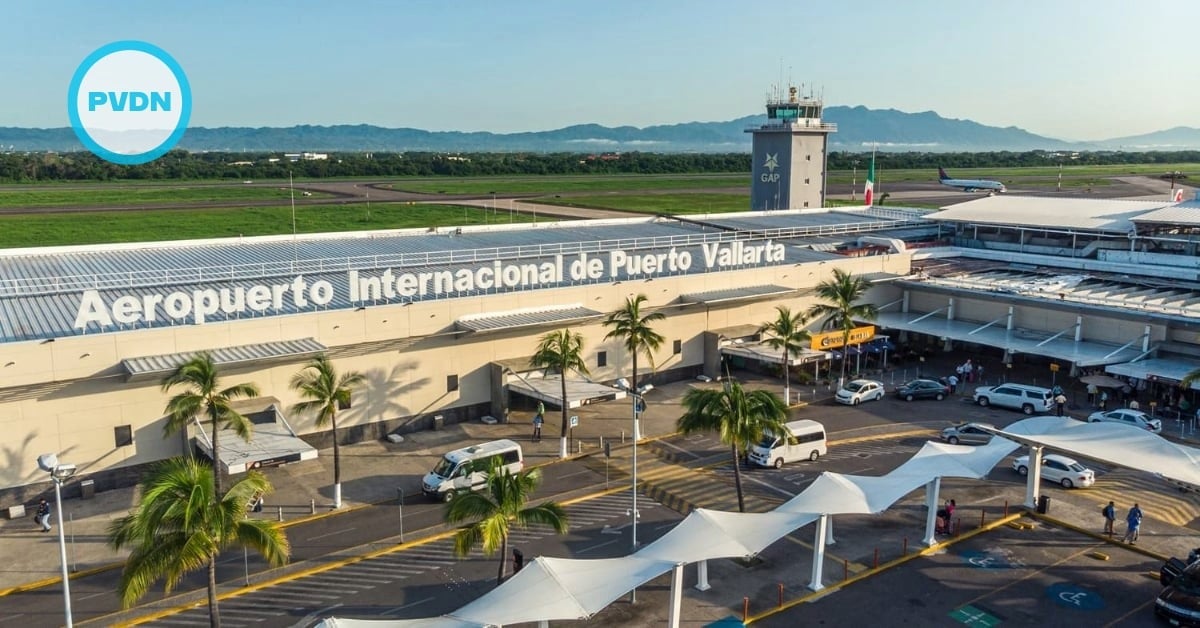
Puerto Vallarta’s international airport is also undergoing a dramatic expansion. GAP is finishing construction of a new 74,000-square-meter terminal building there. This addition effectively more than doubles that airport’s capacity. The modern terminal represents a 132% increase in space. It will allow Puerto Vallarta to comfortably accommodate the surge in tourists flocking to the Pacific coast beaches and the nearby Riviera Nayarit resort corridor. To improve ground access, an elevated roadway is being built to link the new terminal with Puerto Vallarta’s main boulevard. This overpass will help ease traffic congestion outside the airport.
Several other popular destinations in GAP’s network are set to receive notable improvements. Tijuana’s airport, on the Baja California border, will see its terminal expanded by nearly 50%. A new boarding area with seven additional gates will also be built to serve more flights. Los Cabos International Airport – the gateway to a booming tourist region – will have Terminal 2 enlarged by about one-third. The project also includes reorganizing and expanding the airport’s roadways and parking to streamline traveler flow. These projects, among others across smaller regional airports, aim to elevate the passenger experience with more space, efficiency upgrades, and safety improvements.
Timing and Long-Term Vision
This wave of upgrades arrives at a crucial time for Mexico’s aviation sector. The year 2026 will be especially pivotal as Mexico co-hosts the FIFA World Cup. Guadalajara is one of the host cities for the global soccer tournament. GAP has pledged that its airport will be ready to welcome the influx of international fans. By the summer of 2026, Terminal 1 in Guadalajara is slated for a full renovation. Portions of new roadways and expanded parking will also be completed to handle increased traffic. GAP officials have expressed confidence that, thanks to these investments, the airport’s logistics and capacity will meet the challenge of such a high-profile event.
Beyond the World Cup, GAP’s expansion drive is rooted in a long-term vision of rising air travel demand. The company’s airports served roughly 66 million passengers in 2025. That total marked a strong rebound from the pandemic downturn and even surpassed pre-2020 levels. By comparison, in 2024, GAP handled about 55 million passengers. Looking ahead, the operator projects that annual passenger traffic across its network (which also includes two airports in Jamaica) could approach 85 million by 2029. That represents nearly 40% growth in five years. Factors fueling this trend include a boom in hotel and resort construction in destinations like Los Cabos, Puerto Vallarta, and La Paz. Additionally, business travel in Mexico’s industrial regions is recovering, contributing to the upswing in air traffic. More robust domestic flight offerings and steady demand from U.S. and Canadian visitors are also contributing to the rise.
GAP’s leadership warns that, without significant expansion, airport infrastructure could become a bottleneck for Mexico’s economic and tourism growth. The company’s CEO, Raúl Revuelta, has emphasized that the development plan is about anticipating future needs. “We are investing today to prepare the airport infrastructure that Mexico will require in the coming decades,” Revuelta said in a recent briefing. He stressed that GAP is committed to building for the long term. GAP’s chairman, Laura Díez Barroso, likewise noted: “The impact of this investment goes far beyond mobility.” She explained that modern airports generate jobs, boost regional competitiveness, and act as engines of development by connecting local economies to global markets.
An Engine for Regional Growth
By committing unprecedented resources to expansion, GAP is reaffirming its confidence in Mexico’s growth story. The massive 2025–2029 investment program not only increases capacity but also integrates higher standards of technology and sustainability into airport operations. For travelers, this should translate into more flights, less crowding, and a smoother experience as they pass through revamped terminals and checkpoints. For the communities around these airports, the projects bring construction jobs in the near term. They also carry the promise of more tourism and business in the future.
Crucially, this expansion spree ensures that infrastructure keeps pace with demand. Mexico’s Pacific airports are vital gateways for both leisure travel and commerce. As international arrivals hit record highs and new airline routes are launched, adequate airport capacity has become a national priority. GAP’s master plan addresses this by delivering new terminals, runways, and support infrastructure right as they’re needed. In effect, these airport upgrades lay the groundwork for the next era of growth in Mexico’s travel sector. With a stronger, more modern airport network, the country is better positioned to capitalize on its popularity as a tourist destination. It is also poised to tap its potential as an investment hub. GAP’s bet is that building ahead of demand now will pay dividends in connectivity and prosperity for years to come.
With information from La Jornada, MEXICONOW, El Financiero, T21