Puerto Vallarta’s tourism scene runs on small businesses, from taco stands to dive shops. This week, Jalisco chose the city to launch a program that could change daily tourism transactions. The pitch is simple: credit, card terminals, and digital training for local operators. But the stakes are bigger, especially for service quality and competitiveness. If it works, Vallarta becomes a test case for the coast and the state’s Pueblos Mágicos. If it doesn’t, the gap between cash‑only and digital‑ready businesses widens.
A financing-and-digital shift for Jalisco tourism
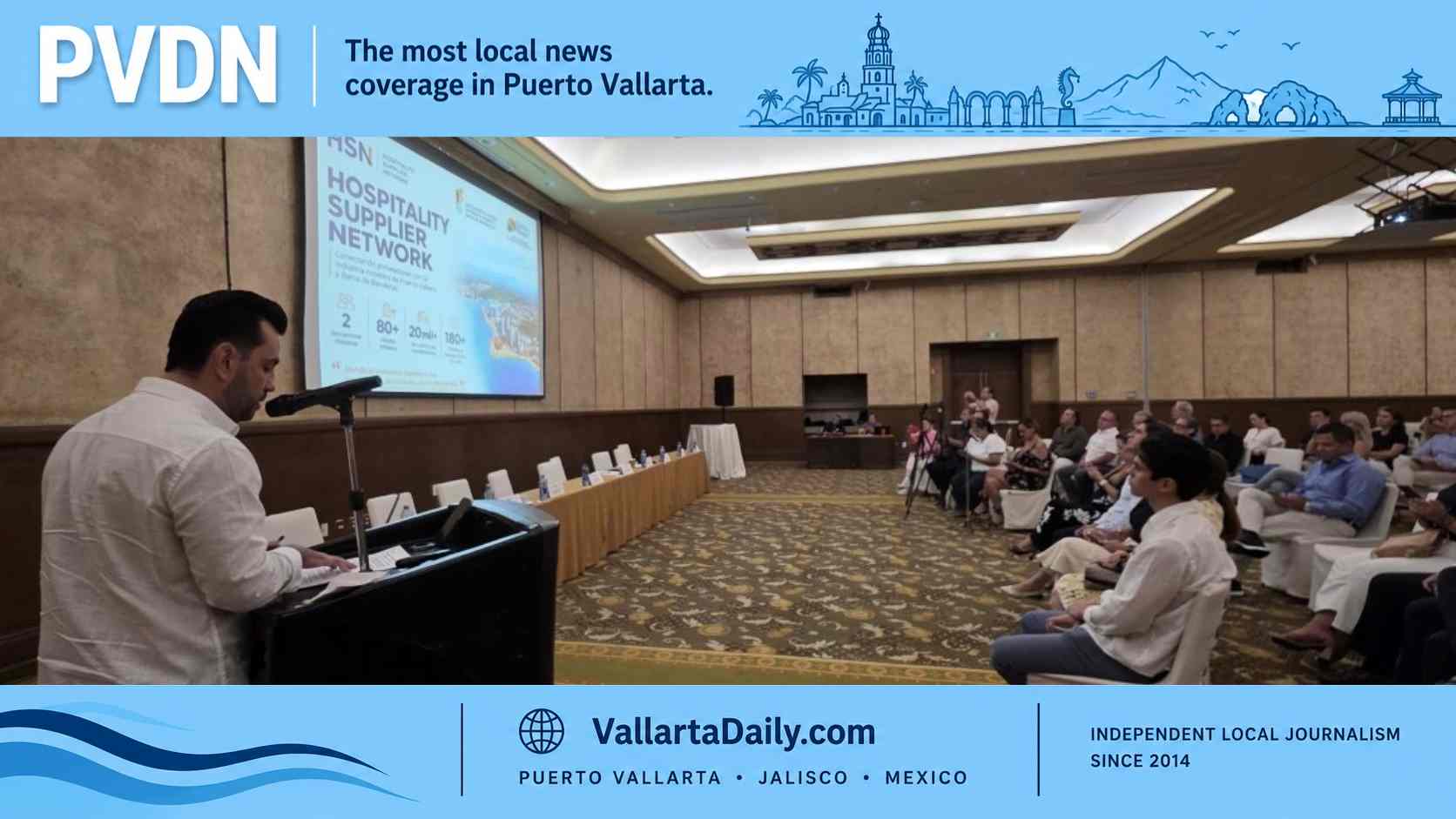
Jalisco is plugging into a national push to modernize how tourism businesses get paid, financed, and found online. The state is joining Avanzamos por México, a public‑private program backed by federal tourism authorities, BBVA México, and Bancomext. The announcement was made on February 12 at Puerto Vallarta’s International Convention Center. State tourism secretary Michelle Fridman Hirsch joined federal and bank representatives for the launch. The message was direct: help small operators shift from cash and word‑of‑mouth to digital sales. Under the plan, tourism micro, small, and mid‑size businesses can seek preferential loans, with caps tied to location. Businesses in Pueblos Mágicos can apply for up to 5 million pesos. Other tourist localities can go up to 25 million. Officials say terms are lighter, with no opening fee and repayment periods up to 60 months. The package also includes point‑of‑sale terminals with no upfront cost, plus guidance on electronic payments and basic financial training. The goal is to fund upgrades without drowning owners in paperwork. For a destination that lives on repeat visitors, those small frictions matter.
Avanzamos por México is not only about loans. It also tries to pull small businesses into the digital ecosystem that tourists already use. That includes campaigns that showcase destinations through a bank’s physical and online channels, from branch screens to mobile apps. It also includes traveler incentives, meant to nudge domestic tourists toward local experiences. The program leans on financial education, so a family‑run tour shop can price, charge, and track sales with confidence. This matters because cash still dominates in many tourist corridors. A national business survey of tourism SMEs found that six in ten still do not accept card payments. More than a third lack any real digital presence. When visitors cannot tap or scan, they buy less, or they move on. For Mexico’s tourism industry, which is trying to spread benefits beyond major resorts, those gaps slow growth. Jalisco is betting that smoother payments can translate into wider spending.
Why Puerto Vallarta is the launch pad
Choosing Puerto Vallarta for the Jalisco rollout is not symbolic. It is practical. The city is one of the state’s main tourism engines and a daily test of service standards. Visitors arrive with expectations shaped by airports, cruise ports, and online bookings. They also arrive with cards, phones, and foreign bank apps, not bundles of pesos. For many expats who live here year‑round, the same applies on an ordinary Tuesday. A smoother payment culture can reduce queues, reduce cash‑handling risk, and make pricing more transparent. It can help bay suppliers, from food producers to craft sellers, connect to invoices and credit. State officials have framed Puerto Vallarta as a hub that can lift nearby coastal towns and inland routes. That matters in Jalisco, where about a dozen Pueblos Mágicos depend on weekend traffic and seasonal spikes. If digital tools stick in Vallarta, they are easier to replicate elsewhere. That ripple effect is the real promise.
What residents and visitors might notice
For owners, the headline is access. Credit can mean renovating rooms, buying safer boats, or upgrading kitchens before peak season. It can also mean paying for better websites, booking tools, and English‑language menus. Yet the bigger shift may be cultural: moving daily operations into traceable, digital routines. That takes time and trust. Banks will still screen applicants, and the smallest operators may need help with paperwork. Training is meant to close that gap. Jalisco is also running a service‑quality certification push ahead of 2026. That matters as Puerto Vallarta gears up for global attention. If the rollout works, visitors will notice it in simple ways. More businesses will accept cards, links, or QR payments. Receipts will be clearer, and reservations will feel less improvised. The state, for its part, will need to watch for fees, fraud risks, and uneven access. A modernization plan only lands when it reaches the smallest street‑level businesses.