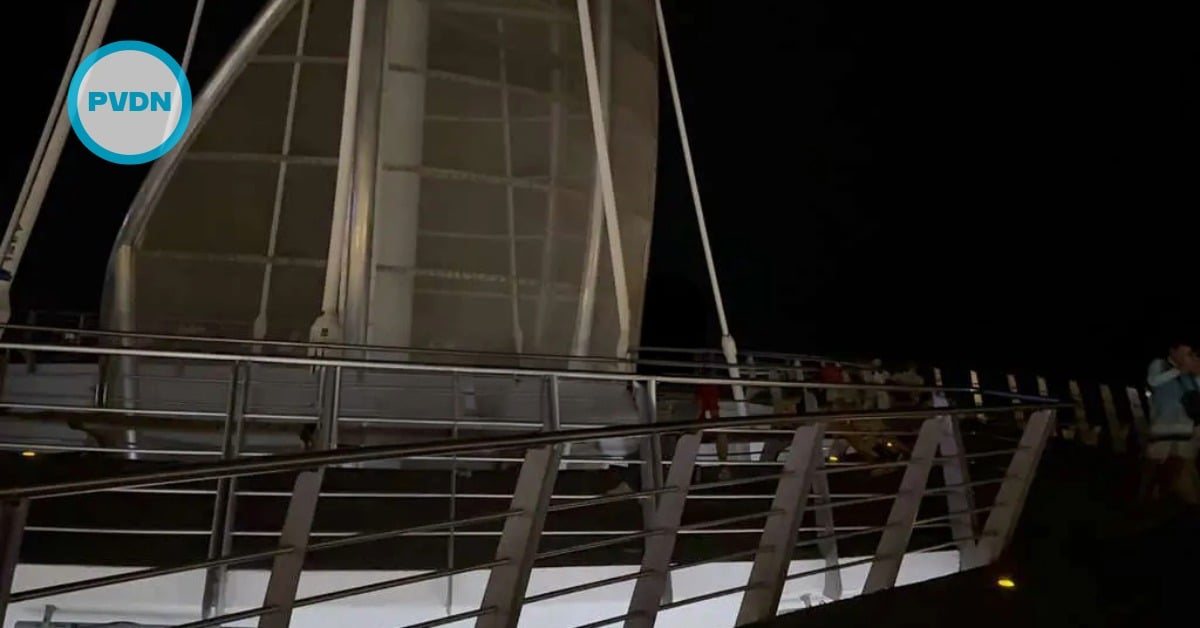
One of Puerto Vallarta’s most-photographed spots has gone dark. For several nights, visitors crossing the Los Muertos pier have relied on phone flashlights, while beach vendors warn that someone could slip on the aging wooden planks. City officials, according to local reporting, say repairs won’t be quick and that deck boards are due for replacement, raising questions about timing as Day of the Dead crowds arrive. Residents want clarity. Tour operators want predictability. And everyone wants the lights back on—fast.
What went dark—and why it matters
The sail-shaped icon at the end of Francisca Rodríguez Street has been without illumination for days, pushing night strolls into flashlight mode and heightening safety concerns among locals and visitors alike. A local report says authorities expect repairs to take time and plan to replace the wooden deck boards. We’re not talking about a cosmetic tweak. Los Muertos pier lights help people see each step, dodge uneven planks, and avoid slipping on sea-spray slicks—especially after dusk during high foot traffic.
The outage isn’t happening in a vacuum. The pier has a recent history of stop-start fixes and high-visibility facelifts. State authorities launched a rehabilitation effort in 2023, touting a complete refresh of the dock as part of a broader push to improve maritime connectivity for Vallarta. That work underscored the structure’s importance as both a postcard view and a functional dock for water taxis serving southern beaches.
Crowd timing adds real-world stakes. A municipal tender, published October 17, lists a Day of the Dead live performance scheduled for the Muelle de la Playa de los Muertos, with contract signing slated for October 29. If the lights remain off and boards are in limbo, hosting music and heavy foot traffic on a darkened, weathered deck becomes a risk calculus for the city. The paperwork shows officials still plan to program the space—even as maintenance needs pile up.
Los Muertos pier lights
City officials—speaking to the local paper—say the fix is not immediate because materials and replacement work take time, notably if sections of the wooden decking must be swapped rather than spot-patched. That explanation tracks with the pier’s recent rehab: swapping entire runs of worn boards is slower than changing lightbulbs, and coordinating contractors around tides, boat service, and events is tricky. But residents are right to push for a timeline. A clear schedule would tell people when to avoid the pier at night and give vendors, tour operators, and nearby hotels something solid to share with guests.
What should happen next? First, a temporary lighting solution—portable floodlights or tower lamps—can reduce slip-and-fall risk while permanent electrical work proceeds. Second, phased deck replacement (one section at a time, with handrails and visible detours) can keep the walkway partially open without forcing crowds into the surf line. Third, transparent updates tied to milestones—electrical inspection passed; parts ordered; decking arrival; installation window—would cut speculation and calm nerves ahead of the late-October and early-November swell.
This is the romantic heart of Old Town. It’s where couples take night photos, kids chase bubbles, and water taxis ferry day-trippers to Yelapa and Las Ánimas. When the lighting fails, the city loses more than a pretty skyline silhouette. It loses trust—the good news: a fix is straightforward once parts, crews, and tides line up. The more challenging part is communications—owning the outage, publishing dates, and proving the pier is safe for the crowds the city is literally booking onto it.