Just north of Puerto Vallarta’s airport, Boca de Tomates can feel like a secret. Then the tide leaves evidence. The Navy says it removed about a ton of inorganic waste from the beach. The shoreline is known for seafood ramadas and a turtle camp. The cleanup ties into a national push running through 2030. But it also raises a local question: why does so much trash keep arriving here? For residents and expats alike, the answer shapes what this bay looks like in peak season.
A cleanup with a clear tally
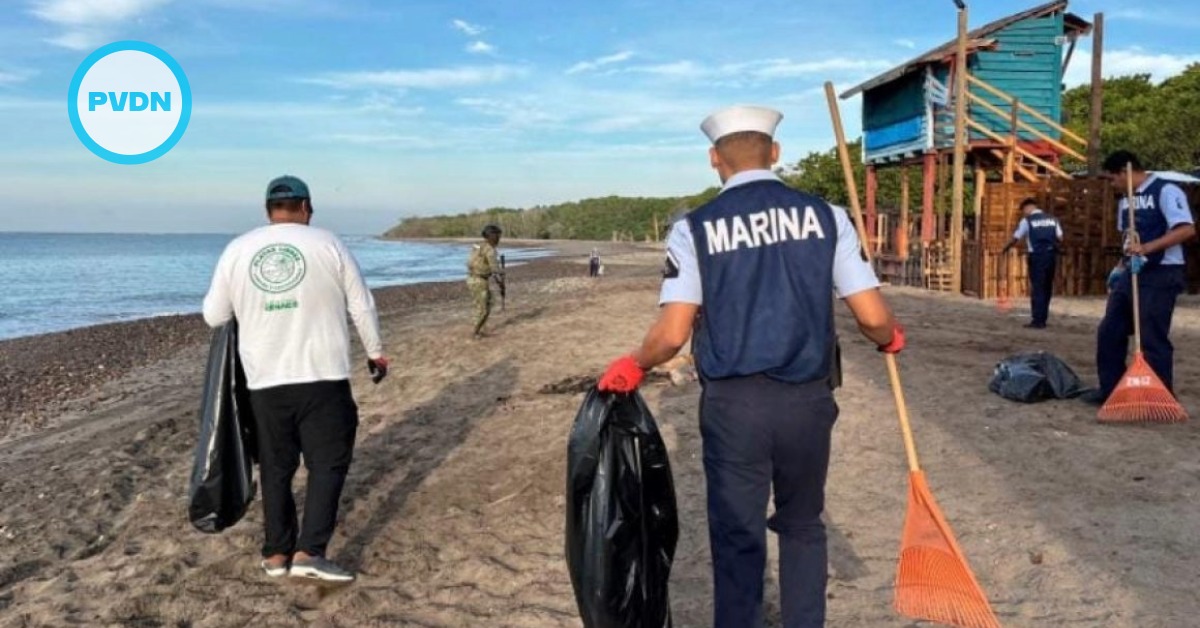
Mexico’s Navy says its 12th Naval Zone removed about one metric ton of inorganic waste. It came off Boca de Tomates beach in Puerto Vallarta. The cleanup took place in recent days. It was carried out as part of a national beach and coastline conservation campaign. Navy personnel worked with other agencies on site. That group included Marine Infantry Battalion 601 and the Puerto Vallarta naval hospital. State and municipal staff also joined through Jalisco’s clean-and-certified beaches program. The city government helped coordinate. The Navy reported six sailors on the sand and six collaborators. Three Navy vehicles supported the work. The collected waste was taken to Puerto Vallarta’s municipal landfill for disposal. The beach is known for its seafood ramadas and weekend crowds in high season. For many residents, Boca de Tomates sits near the airport and the mouth of the Ameca River. The Navy said the cleanup helps protect the marine environment and nautical tourism. It also aims to raise public awareness of what ends up in the sea.
In its tally, the Navy broke the ton down into familiar categories. About half were plastic containers, around 500 kilograms. Another 300 kilograms was glass and aluminum. It also pulled out 198 kilograms of discarded fishing gear. That gear included nets and lines. The remainder was smaller but telling. The Navy counted about a kilogram of cigarette butts and a kilogram of other mixed waste. All of it was removed in a single effort and hauled away for final disposal. None of it is organic, and that matters. Inorganic trash lingers, breaks down slowly, and travels far. Fishing gear can keep catching long after it is abandoned. Plastics fragment into smaller pieces that are harder to remove. Glass and aluminum can injure people and wildlife. On weekends, the same shoreline hosts families, seafood tables, and a working fishing edge. The numbers offer a snapshot of what repeatedly washes up on the beach.
A sensitive shoreline near the river mouth
Boca de Tomates is not just another urban beach. It sits near mangroves and the mouth of the Ameca River. The beach stretches about a kilometer and sits close to the international airport. On a low tide, you can even walk here from the north end of Marina Vallarta. The surf can be strong, and locals often visit for kitesurfing and birdwatching. It is also home to a sea turtle camp. Visitors are advised not to swim near the river mouth, where wildlife and currents mix. That mix makes the waste haul feel more urgent. Plastics and fishing line can snag in mangrove roots. They can also drift into the river mouth and back out with the tide. For hatchlings and shorebirds, the smallest pieces are often the worst. Even cigarette butts matter, because they carry toxins and break apart into microplastics. For residents who spend time here, the problem is visible in the details. A clean beach is safer for kids and dogs. It is also one of the simplest ways to protect the bay’s wildlife without waiting for a big policy fix.
This local haul is one stop in a much bigger push. The federal strategy behind the campaign runs through 2030 and tracks cleanups nationwide. In campaign-related statements, the Navy links this work to marine protection and nautical tourism. For coastal cities, that translates into jobs, public health, and a reputation that is hard to rebuild once it slips. The Navy has also run its own beach cleanup program in recent years. Official reporting shows Boca de Tomates hosted one of its early activities in September 2023. That history matters because the problem here is not new. After heavy rains, Boca de Tomates can become a collection point for debris carried down the streams and the Ameca. In mid-2025, a separate cleanup effort removed roughly two tons of trash after storms. The pattern is familiar to anyone who has walked the beach after a downpour. Cleanups help, but they also underline an upstream challenge. Trash that starts in streets and arroyos often ends up on the sand.
What happens after the cleanup
For expats, this is one of those stories that feels local even when it carries a national stamp. Many people discover Boca de Tomates by accident, turning off near the airport for seafood or a quieter walk. It is easy to treat the trash as someone else’s problem, especially if it washed in. But the ton the Navy hauled away came in pieces, and pieces start somewhere. Small habits matter here. Carrying your own bottle, refusing single-use plastics, and taking your waste back out all reduce what reaches the tide line. The same goes for keeping drains and arroyo banks clear near home. The Navy has encouraged residents to report maritime emergencies through its local and national lines of communication. For day-to-day cleanliness, the bigger signal is community pressure. When beaches look cared for, people tend to treat them that way. Boca de Tomates will not stay clean with a single cleanup.