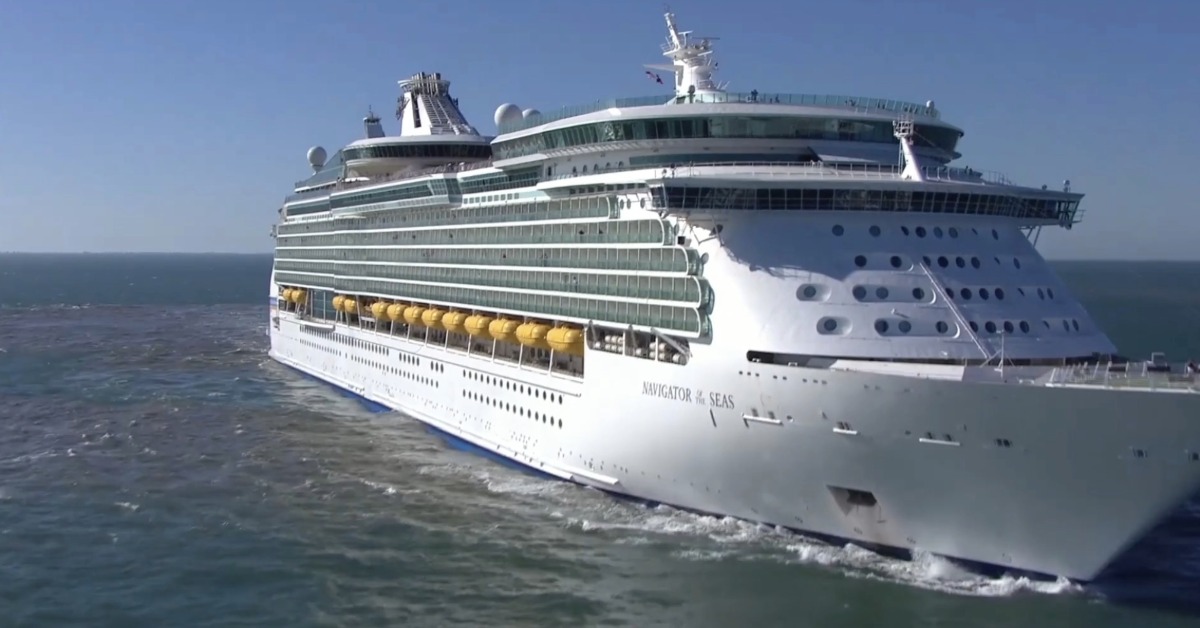
Puerto Vallarta’s cruise trade is still moving, and the arrival of Navigator of the Seas gave that recovery a public face. The visit comes after recent cancellations trimmed the March schedule and raised questions about confidence in the destination. One ship does not settle every concern, but it does offer a useful snapshot of how the port is operating now, how cruise traffic feeds the local economy, and why this arrival matters beyond the terminal gates.
A scheduled arrival with bigger meaning
The arrival of Navigator of the Seas on Friday showed that international cruise traffic is still moving through Puerto Vallarta. The Royal Caribbean ship reached the port as scheduled and called at Pier 2. The updated port calendar sets its window from 7 a.m. to 5 p.m. That matters because the city has spent the past two weeks trying to show that visitor activity is stable again.
For readers outside Mexico, a cruise arrival is not just a shipping note. It is a concentrated tourism event. Thousands of passengers can come ashore in a few hours. They spread quickly into the Malecón, the Romantic Zone, Marina Vallarta, organized tours, restaurants, taxis, and waterfront shops. A ship call can change the pace of a business day almost at once.
Why this call matters now
This arrival lands in a more sensitive moment than usual. Puerto Vallarta had already dealt with cruise disruption after late-February violence in Jalisco rattled travel plans. Earlier this week, the published cruise schedule for the month was revised. What had started as 14 March arrivals was cut to 11 after three Princess Cruises calls disappeared from the calendar. Against that backdrop, a ship arriving on time carries more weight than it normally would.
Princess Drops Three Puerto Vallarta Calls This Week
The cruise business depends on confidence and routine. Lines build itineraries far in advance. Excursion operators staff for those dates. Drivers, guides, vendors, and restaurants do the same. When ships skip a port, the loss is felt fast. When they keep arriving, the signal also travels fast. It tells travelers and businesses that the destination remains active on the route.
What the March calendar now shows
The revised ASIPONA calendar does not show a collapse. It shows a smaller but still active month. After Friday’s call, the schedule still lists Carnival Panorama, Royal Princess, Norwegian Bliss, and another visit by Navigator of the Seas on March 24. That matters because it suggests the port is still working through adjustments rather than shutting down cruise activity.
First March cruise ship brings 4,500 to Puerto Vallarta
Official port materials help explain why these calls matter so much. Puerto Vallarta is built to receive three cruise ships at the same time, which makes cruise traffic a regular part of the city’s tourism machinery, not an occasional bonus. Official port statistics also show the scale of the business. The port recorded 162 cruise arrivals in 2025, and separate financial notes reported 535,132 international cruise passengers that year. Even after a disrupted stretch, that background helps explain why each March arrival is closely watched.
The ship and the wider cruise picture
Royal Caribbean lists Navigator of the Seas as a Voyager-class ship that entered service in 2002. The company puts its approximate passenger capacity at 3,368 guests at double occupancy, with 1,232 crew. The port’s own March calendar identifies the ship as being a little over 311 meters in length. That gives a better sense of what “thousands of tourists” looks like when one vessel ties up at the terminal.
For international readers, there is also a broader tourism angle. Puerto Vallarta is a regular stop on the Mexican Riviera cruise route. Official port information says those itineraries commonly connect Los Angeles, Long Beach, or San Diego with Mazatlán, Los Cabos, and Puerto Vallarta. That means a call here is part of a wider Pacific circuit, not a one-off stop. When a ship remains on that route, it suggests the port is still holding its place in a competitive regional network.
What this means on the ground
At street level, the meaning is simple. A cruise ship arrival means customers. It means more foot traffic near the waterfront. It means more bookings for tours, more restaurant tables filled, and more short-haul spending across the city. Not every passenger comes ashore, and not every visitor spends the same way. But the daily effect is real enough that port schedules become tourism indicators.
That is why the arrival of Navigator of the Seas matters beyond one morning at the terminal. It does not erase the recent disruptions, nor does it restore the three canceled March calls. What it does show is that Puerto Vallarta’s cruise season is still moving. For a destination trying to steady its image, routine matters. On Friday, the routine arrived by sea.
With information from ASIPONA Puerto Vallarta, Calendario de arribos