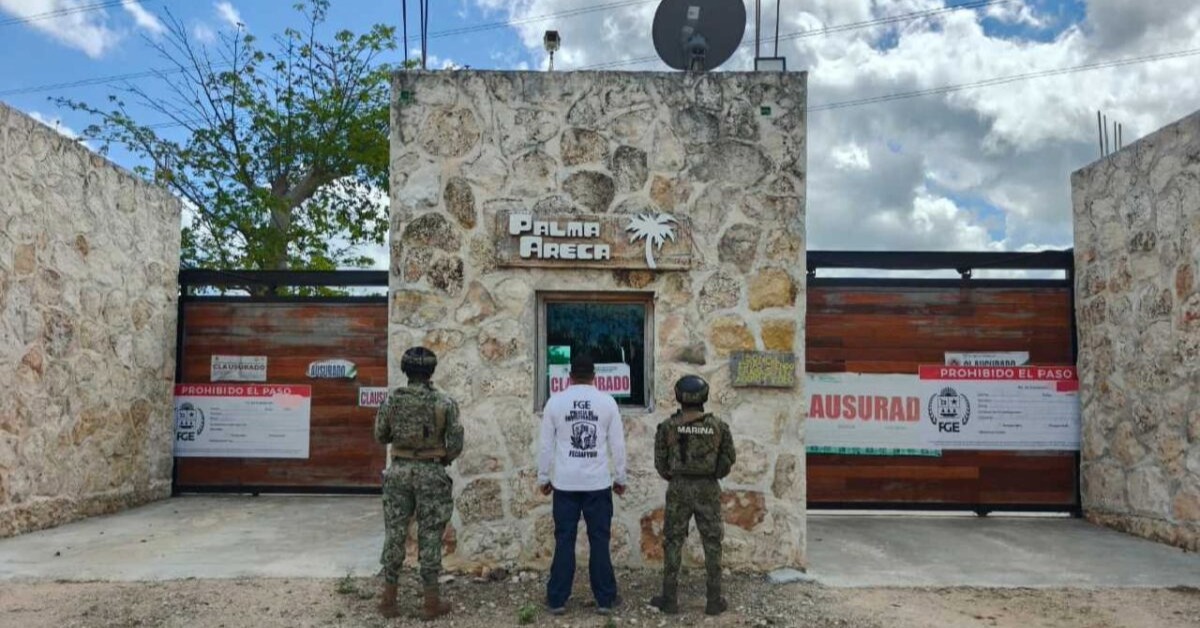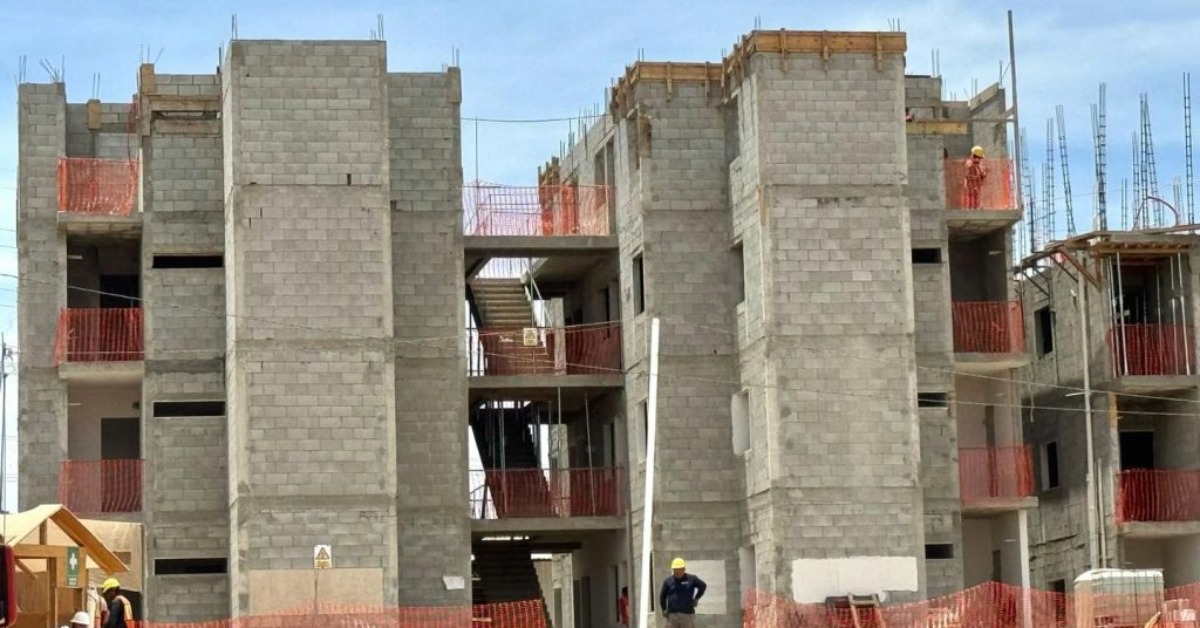
Mexico’s consumer protection authority has suspended the sale of homes and apartments at Aldea Hortus in Tondoroque, a locality in Bahía de Banderas, after an inspection found irregularities that officials said could affect buyer legal certainty.
The action was carried out by the local Office for Consumer Defense, known as ODECO, which operates under Profeco. Authorities said the development is being marketed by Ingeniería Mexicana y Construcciones S.A. de C.V. and that inspectors placed two suspension seals on the project’s commercialization. The immediate issue is not a construction defect or a zoning dispute. It is the way the homes were being sold and documented.
Officials said the irregularities involved missing information in documents used during the sales process. That matters because real estate transactions depend heavily on written records. When the paperwork is incomplete, a buyer may struggle to prove what was promised, what was paid, and who is legally responsible for the offer.
Why the missing details matter
According to the inspection findings, some sales receipts lacked the provider’s domicile and commercial name. Authorities also said the price list did not include essential property information, including the technical sheet that should help buyers understand the characteristics of what they are being offered.
That may sound minor, but it is not. In Mexico, housing purchases are not treated like casual retail sales. They involve contracts, disclosures, delivery conditions, and documented property features. If the price material does not clearly identify the unit, its specifications, or the seller behind the offer, a buyer can be left with uncertainty at the moment it matters most.
Authorities also pointed to a second concern. The development’s registered adhesion contract reportedly lists an address in Tepic, Nayarit, rather than one in the area where the homes are being marketed. Officials warned that this can create practical obstacles if a consumer later needs to file a complaint, demand compliance, or seek a remedy.
For many international buyers, that is an important detail. A home purchase in Mexico often begins with marketing material, deposits, and pre-sale commitments long before a closing. If the documents do not clearly identify the supplier and the property, the buyer may discover too late that the path to a complaint is harder than expected.
What the law expects in home sales
This case is also a reminder that Mexico’s housing market has its own consumer rules. Profeco maintains a Public Registry of Adhesion Contracts, where certain contract models must be registered. The agency says those registered models are meant to comply with current rules and avoid abusive or inequitable clauses.
For housing sales, this is especially important. Mexico’s NOM-247-SE-2021 is the federal standard that governs commercial information, advertising, and minimum contract content for housing developments. The standard has been in force since September 2022. Its purpose is to ensure buyers receive clear, up-to-date information about what is being sold and under what conditions.
In practical terms, that means a home sale should not rely on vague brochures, incomplete receipts, or unclear promises. Buyers are supposed to have enough information to understand the property, compare offers, and hold the provider to the terms being marketed. A suspension like the one in Tondoroque signals that authorities believe that the standard may not have been met.
What this means for current and future buyers
At this stage, the suspension is best understood as a consumer-protection measure. It stops commercialization while the irregularities are addressed. It does not, by itself, decide a civil dispute or prove criminal wrongdoing. But it does send a clear signal that Profeco found the sales process serious enough to intervene.
That matters for anyone who has already paid a deposit, signed preliminary paperwork, or is still considering a purchase. The first question is no longer whether the project is attractive or well-located. The first question is whether the buyer received complete, verifiable, and legally useful documentation.
A case like this also matters beyond one development. Earlier this year, the local consumer office said the real estate and timeshare sectors now generate more complaints in the Vallarta-Banderas area than hotels or restaurants. That suggests the region’s biggest consumer risks are not always found at the checkout counter. They can be hidden in contracts, promises, and disclosures tied to much larger purchases.
For readers living in or near Puerto Vallarta and Bahía de Banderas, the takeaway is straightforward. In a fast-moving housing market, sales speed should never replace documentation. The safest purchase is not the one with the best rendering or the strongest sales pitch. It is the one where the provider, the property, the price, and the complaint path are all clearly documented from the start.