Puerto Vallarta’s airport is expanding at a moment when the bay is already feeling the strain of success. The new Terminal 2 is being pitched as a major leap in international capacity, but the bigger story is what that says about where the region is heading. For residents, expats, and frequent visitors, this is not just an airport construction update. It is an early signal of how travel, growth, and daily life around Puerto Vallarta could change over the next few years.
A bigger gateway for the bay
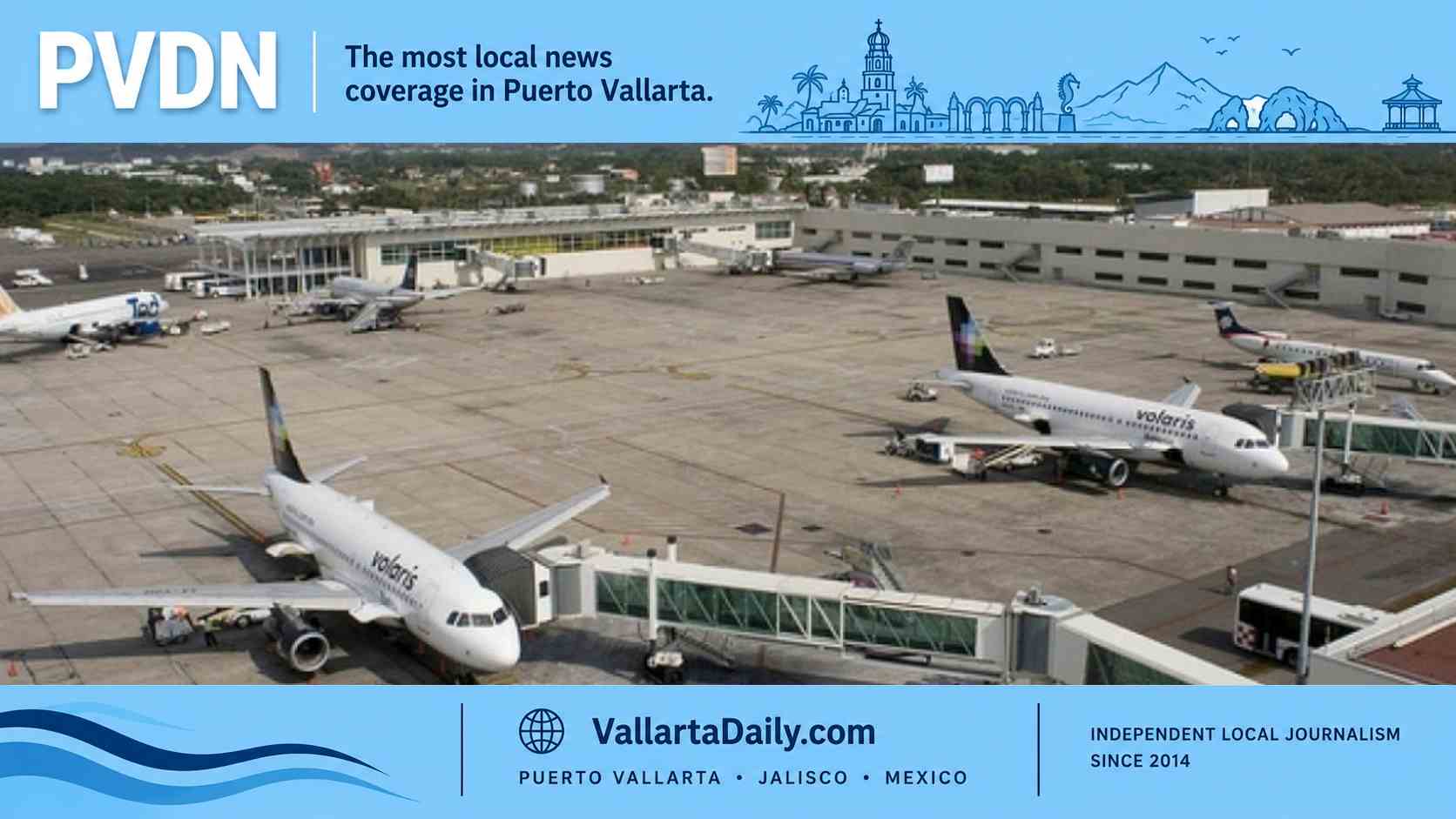
Puerto Vallarta International Airport does more than serve Puerto Vallarta. It also works as a major air gateway for much of Riviera Nayarit. That means crowding at the terminal reflects growth across the wider bay, not just one city. The current work on Terminal 2 is being presented as a roughly 5-billion-peso project. Officials say it should be ready in early 2027.
The safest way to frame the promise is this: officials expect the project to double international operations. That does not mean every airport metric will double overnight. It does mean the airport is being prepared for much heavier international demand. The broader buildout is also part of GAP’s multiyear expansion plan for its Mexican airports. Puerto Vallarta is one of the clearest signs of that push.
That timing matters. With completion pointed to early 2027, the project should be seen as a medium-term shift, not a short-term fix for this year’s travel peaks. Airlines and tourism officials can market the future capacity now. Travelers, however, should not expect the full benefit during every busy period in 2026.
Demand was already rising before this project took center stage
The timing is not accidental. The airport closed 2025 with nearly 7 million passengers, setting another traffic record after a strong 2024. Even with the late-February cancellations that disrupted flights this year, the long trend still points upward. Puerto Vallarta has moved beyond a winter-only pattern. It now works as a year-round connector with strong ties to the United States and Canada.
For many readers, that shift is already visible in daily life. The airport is not only a vacation entry point. It also supports family visits, medical travel, business trips, property owners, and seasonal residents moving in both directions. Airlines watch those patterns closely. When traffic keeps returning, they add frequencies, test new routes, and ask whether the airport can process more passengers without creating longer delays.
What Terminal 2 is supposed to change
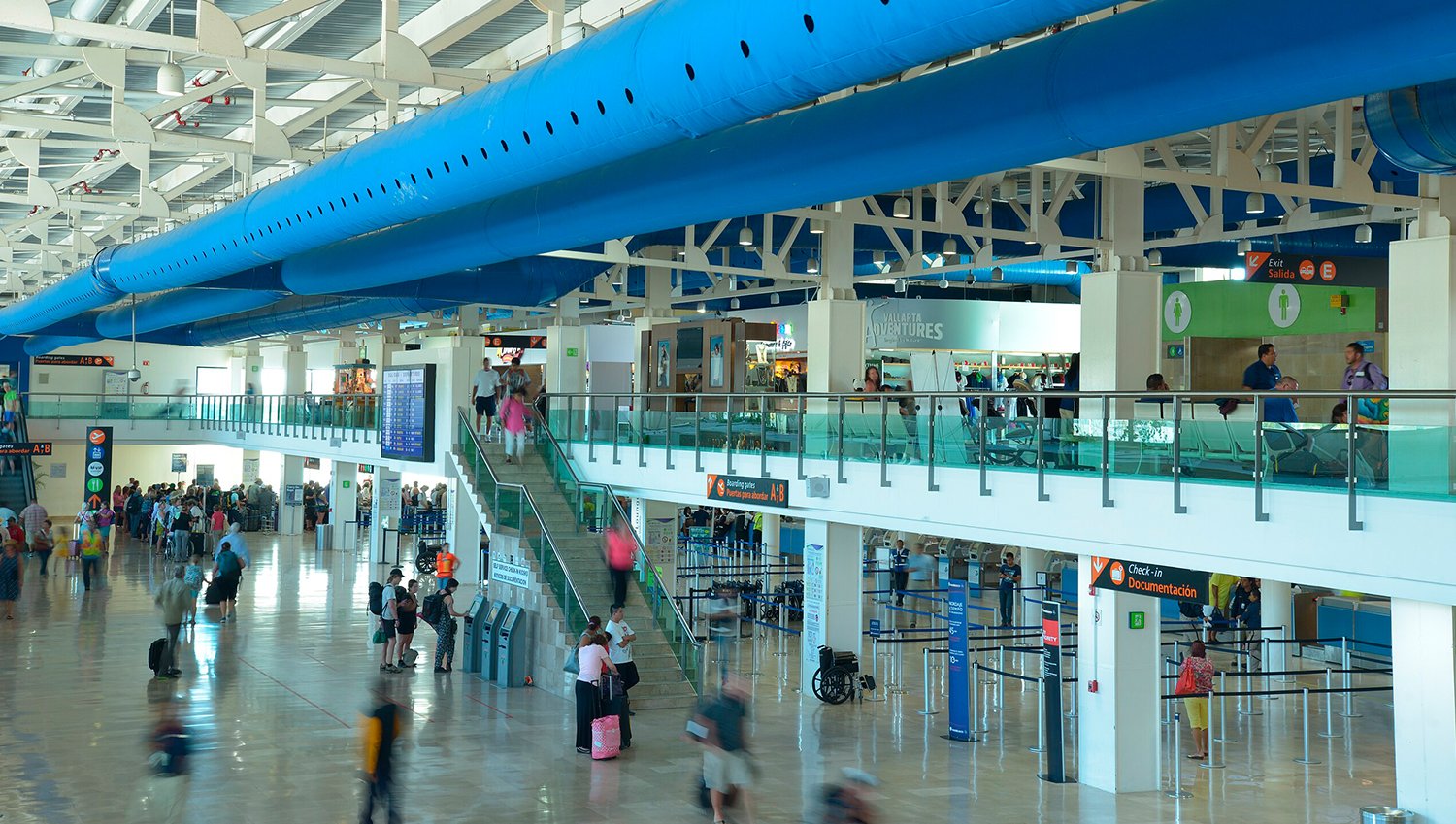
Recent project descriptions point to a larger terminal footprint, more aircraft handling space, updated passenger processing systems, and sustainability features. In simple terms, Terminal 2 is supposed to move people faster and give airlines more flexibility. The biggest gain is expected on the international side. That is where long lines, gate pressure, and peak-season bottlenecks tend to be most visible.
This matters because airport growth is not just an aviation story. It shapes the region’s economy. More reliable air access can support hotels, vacation rentals, restaurants, events, second-home travel, and cross-border business. It also strengthens Puerto Vallarta’s role as a hub for nearby destinations that depend on the same runway. When people say the airport serves Puerto Vallarta and Riviera Nayarit, they are describing a shared tourism system, not a narrow city asset.
More flights help, but they also bring pressure
A larger airport will not solve every local strain. Better connectivity can ease access, but it can also increase pressure on roads, pickup zones, taxis, and ride-share demand, as well as on nearby housing markets. That is why this story matters to residents and expats, not only to tourists. Easier flights are useful. More direct service is useful. But each gain in connectivity adds to the broader question of how fast the region can grow without making daily life harder around the bay.
The next chapter will be written by the airlines. Officials are still trying to win more international service, while carriers continue to add or test routes in western Mexico. If those efforts succeed, the airport will not just be larger. It will be more connected in ways that reshape travel habits across the region. By the time Terminal 2 is fully ready, Puerto Vallarta may already be operating like a different kind of gateway than it did just a few years ago.
With information from Grupo Aeroportuario del Pacífico
Continue Reading:
GAP commits 13 billion pesos to 2026 airport expansion plan
Puerto Vallarta airport traffic hits record in 2025
Puerto Vallarta airport new terminal reaches 54 percent completion