Puerto Vallarta’s municipal shelter is out of room and out of time. The city’s Animal Welfare director says the building is deteriorating and the model no longer works. Plans on the table would demolish the site, rebuild from scratch, and move ready-for-adoption pets to a separate hub so sick or quarantined animals aren’t mixed in. It sounds simple until you ask about money, timelines, and what “first-class” care really means in a beach city with a seasonal surge of pets and people.
We’re out of space. And the building is failing.
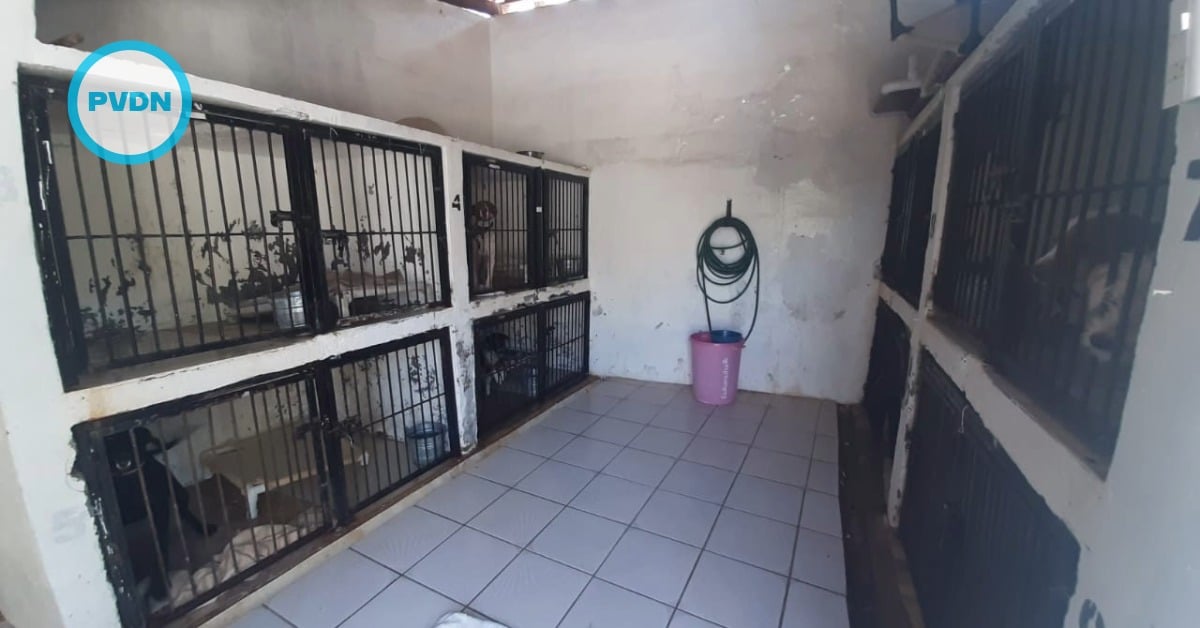
The Puerto Vallarta animal shelter is operating past its limits and needs a complete rebuild, according to the city’s Animal Welfare director, Roberto Ornelas Carrillo. He says structural deterioration and cramped quarters prevent decent service for people or animals, and the center “isn’t acting as a control center” in practice. The plan submitted to the city’s Strategic Projects office would demolish the current site and construct a new facility with input from veterinary-infrastructure specialists.
Ornelas proposes a second, separate Adoption Center across from the rebuilt shelter. The split would keep healthy, ready-to-go animals away from those arriving injured or needing quarantine—an approach common in higher-standard municipal systems. The project is currently in the blueprint phase, with no funds or start date, and would require support from City Hall and local groups to move forward.
Jalisco state law supports the concept of modern animal control centers that prioritize medical care and sterilization over sacrifice, and it mandates professional veterinary oversight. Any rebuild in Vallarta should match those obligations on paper—and in practice.
Puerto Vallarta animal shelter
Ornelas’ role and department are official city posts, and the shelter’s volunteer and adoption drives have been a visible part of local life—especially during high season. Recent campaigns on the Malecón and Plaza de Armas pushed adoptions and free services, while the department has courted students and volunteers to boost daily care. That public-facing work helps, but it can’t fix a failing building.
Sterilization remains the strongest lever to lower intake. Just last month, local authorities highlighted more than three thousand free spay-and-neuter surgeries so far this year—each one a small dam against another litter on the street or surrendered at the gate. Scaling those clinics alongside a rebuild is essential if Vallarta hopes to avoid facing the same crunch in the future.
The city also plans to add services the current site lacks—X-rays, treatment for canine transmissible venereal tumor (TVT), and care for feline infectious diseases. That’s not a luxury list. TVT remains present in parts of Latin America, including Mexico, and shelter populations see higher rates of feline viral infections than owned cats. Treating those cases on-site shortens suffering and keeps infections from cycling through kennels.
What a new center would change
A purpose-built facility could address fundamental flow issues that currently frustrate staff and adopters. Intake, quarantine, medical, and adoption spaces require absolute separation, improved ventilation, and durable surfaces that can withstand bleach and prolonged use. The proposed adoption hub across the street would let families meet animals without walking past isolation kennels, while the main building handles triage and treatment. That’s more humane for animals and clearer for the public.
It would also reflect how Vallarta actually lives. Tourism swells the city’s population and its pet pipeline. Street rescues spike. Vacationers fall in love with a puppy they met on the Plaza. Some animals are relocated to new homes in Canada or the United States through partner groups, while many stay local thanks to weekend drives. The work is constant. A rebuilt center with modern medicine—and a steady sterilization budget—would keep that momentum from buckling every peak season.
The ask now is political and practical. Ornelas is calling for money, blueprints, and buy-in from civil society. The law points the way, and recent outreach shows there’s a community ready to help. But until the city funds the rebuild, the team will continue to do what it can in a building that can’t.