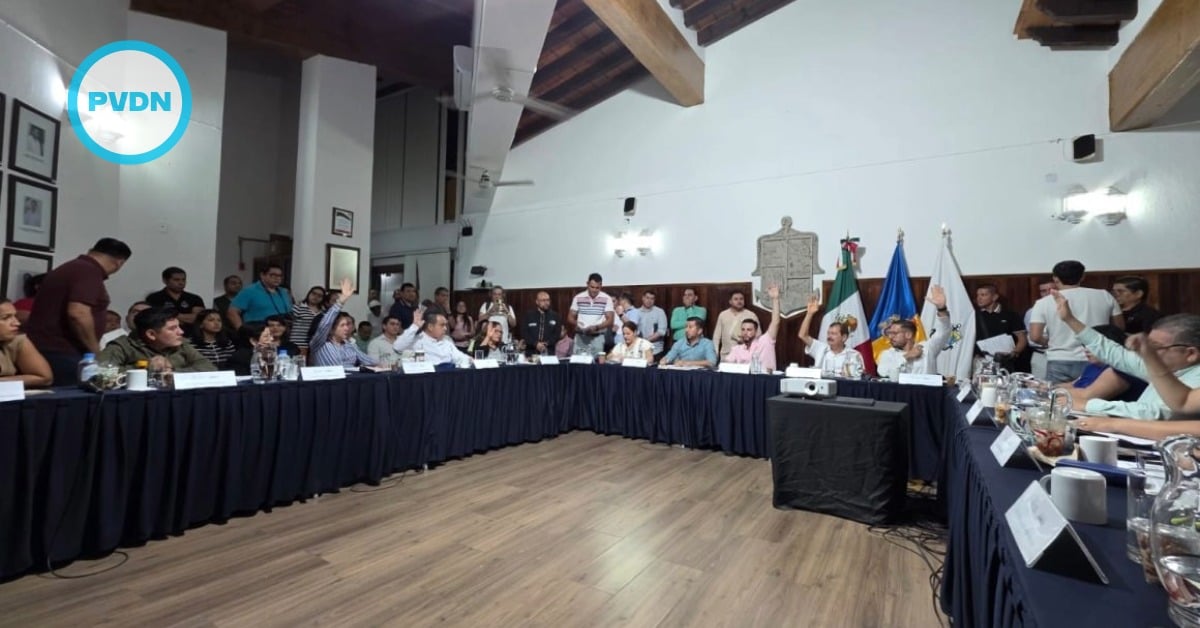
Puerto Vallarta has taken a long-awaited step for autistic people and their families. On Wednesday, 12 November 2025, the city council approved the donation of more than 5,000 square meters of public land to DIF Jalisco so a Puerto Vallarta autism center can at last be built, bringing diagnosis, therapies, and family support under one roof.
According to the ruling backed by councilors, the municipality will transfer 5,190.02 square meters to the state’s family welfare agency as a pure, free donation, reserving the plot exclusively for the new Autism and Disability Center. The land, in the Coapinole area near the La Lija sports complex, is part of a larger plan that also includes a general clinic, a new Senior Citizens’ Center, and administrative offices on the same site.
Local officials frame the project as a historic shift in how Jalisco treats autism. The new clinic is expected to offer early diagnosis, occupational and speech therapy, behavioral support, training for parents, and space for support groups, with the goal of becoming a regional reference point not only for Puerto Vallarta but for coastal and mountain communities that now travel hours for care.
Puerto Vallarta autism center
Jalisco has begun building a public network for autism care rather than relying solely on private clinics and charity programs. The state already operates an autism program at the CRIT de Occidente in Guadalajara and two dedicated public centers in Zapopan. It now plans four regional centers in Tepatitlán, Lagos de Moreno, Puerto Vallarta, and Zapotlán el Grande as part of what DIF Jalisco describes as the first statewide public network focused on autism spectrum conditions.
Even with that expansion, demand is overwhelming. When officials opened a second center in Zapopan this year, DIF Jalisco acknowledged that more than 5,000 people were already on waiting lists in Guadalajara, Zapopan, and Tlajomulco. A separate state report on the planned regional units projected that the first, in Tepatitlán, could open in 2026 and noted that around 4,000 children in the Guadalajara and Zapopan areas were still waiting for specialized autism care.
Mexico still has no official national prevalence figure for autism. The first population study, carried out in León, Guanajuato, estimated that about 0.87 percent of eight-year-olds – roughly one in every 115 children – met criteria for autism spectrum disorder, a level close to rates reported in other countries. At the same time, global health agencies estimate that around one in 100 children worldwide is autistic, while stressing that data from low- and middle-income countries remain thin.
Later reviews of autism services in Mexico highlight the same pattern again and again: scarce specialized centers, long travel times, and diagnoses that often arrive after a child’s fourth birthday, even when parents noticed signs much earlier. Researchers also point to gaps in training for health professionals and limited access to standardized diagnostic tools, all of which delay intervention for families who are already struggling.
For families on the coast, that gap is measured in travel hours and pesos. Many parents from Puerto Vallarta and nearby municipalities describe repeated trips to Guadalajara or Zapopan for every evaluation, test, and follow-up, or months-long delays. At the same time, they try to assemble a mix of private therapies in a city better known for hotels than neurodevelopment clinics. For them, having a state-run center in their own municipality is not a luxury; it is the difference between weekly therapy and none at all.
What this means for families
The Vallarta project will not start from zero. DIF Jalisco has already tested a new model in Zapopan South, where a large autism center opened this year with universal accessibility, therapy rooms, early-childhood programs, multisensory spaces, and areas for evaluation, diagnosis, and family workshops. That facility is designed to evaluate hundreds of families every year and to accompany at least 500 of them through ongoing programs, giving a hint of what Puerto Vallarta could receive once its own center is operating.
Plans announced earlier this year for the network of four regional centers suggest that each site, including Puerto Vallarta, is being designed to serve up to 400 people, both children and adults up to 60 years old, with services that range from early intervention to pre-employment training. If the state keeps that blueprint, the Vallarta center would be responsible for a large stretch of the Jalisco coast and nearby mountain towns, many of which have little or no access to specialized autism services today.
The land donation approved this week is only one piece of the puzzle. Puerto Vallarta is providing the property, but construction and operation will depend on state-level funding, which local media estimate at around 20 million pesos for the building phase alone. On the same campus, the government plans a general clinic and a new Senior Citizens’ Center, which could allow for shared services such as medical care, psychology, and social work that benefit both autistic residents and older adults.
Parents and advocates are already thinking beyond bricks and mortar. Research on autism in Mexico points to persistent barriers that a new building cannot solve by itself: late diagnosis, a shortage of trained professionals, limited school inclusion, and stigma that still keeps many families in silence. For the center to change daily life, Vallarta will need enough therapists and support staff, coordination with local schools and hospitals, and real input from autistic people and their families about what support actually helps.
Even so, the decision to donate the land matters. For years, talk of a public autism clinic in Puerto Vallarta felt abstract, something promised in speeches but missing from the city’s maps and budgets. With a defined plot, a legal transfer, and a clear role in the state network, the project moves from idea to obligation. Families on the waiting lists in Guadalajara, and those who have never even joined a list because the trip is too hard, now have a concrete reason to expect help closer to home.
No timeline has been announced yet for breaking ground, and the finer details of staffing, eligibility, and daily operations still need to be worked out. But the vote signals that autism and intellectual disability are now clearly on Puerto Vallarta’s planning agenda, not just in awareness campaigns. As the plans advance, the real test will be simple: whether autistic children, teenagers, and adults in this coastal city can access consistent, affordable support without leaving their community behind.