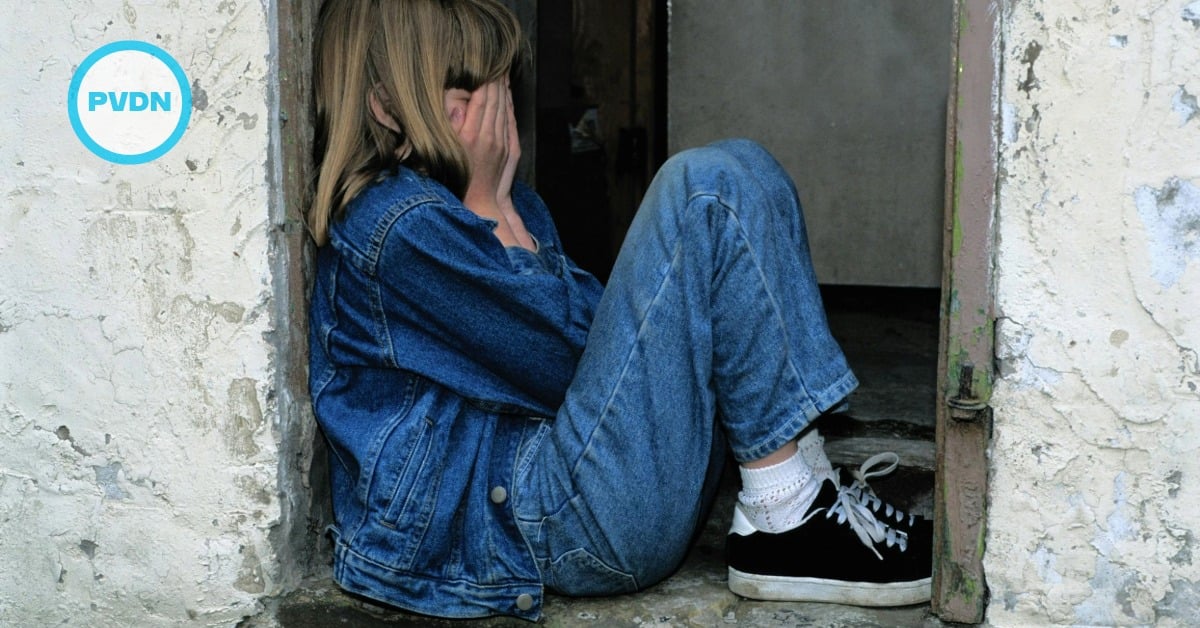
A local psychologist warns Puerto Vallarta now ranks second nationwide for child sexual abuse cases, pushing the city to act.
Puerto Vallarta, long branded as a carefree beach escape, is facing a stark warning from its own mental health community. Psychologist Cristina Hernández Díaz de Sandi, president of the local College of Psychologists, says Puerto Vallarta now ranks second nationwide in reported cases of child sexual abuse, only behind Cancún. She shared the figure while presenting a new community effort that tries to move the issue out of the shadows and into public conversation.
Hernández Díaz de Sandi explains that most of the cases she sees do not happen in dark alleys or remote places. They happen inside family homes, between people who share meals, bedrooms and school runs. That pattern, she argues, exposes a deeper crisis in parenting models, gender roles and the way many adults still believe that what happens inside the home should stay there.
Her comments come ahead of the First Day of Prevention of Child Sexual and Gender Violence, scheduled for Thursday, December 4, from 10 a.m. to 6 p.m. at Technical Secondary School 15, known locally as La Pesquera. The event is free and open to the community. Organizers expect students, families and teachers from across the bay to attend a full day of conferences on how to detect abuse, how to report it and how to support a child once the violence has been named.
Puerto Vallarta child sexual abuse behind closed doors
The local warning arrives in a national context where official data only shows part of the problem. Mexico does not yet have a single, integrated system that captures all forms of violence against children, including sexual abuse. Different agencies collect pieces of the story, and many cases never reach any institution.
Even with those gaps, the numbers are sobering. Preliminary figures from Mexico’s Health Ministry indicate that in 2024 alone, public health services treated around 8,775 minors for injuries linked to sexual violence. More than nine out of ten of those victims were girls and adolescents. A national survey by the statistics agency INEGI found that about 12.4 million women aged 15 and older say they suffered some form of sexual violence in childhood.
Specialists in child trauma warn that these cases are heavily underreported. Some estimates suggest that only a small share of incidents ever reach authorities and that an even smaller fraction ends in a conviction. Many victims do not disclose what happened until adulthood, if they speak at all. In many testimonies collected by psychologists and support groups, the aggressor is a person the child knows well: a relative, a step-parent, a neighbour, a coach, a religious figure or a family friend.
In Jalisco, state data shows how concentrated the problem has become. Between 2017 and 2023, authorities recorded more than 17,000 cases of child sexual abuse in the state. Sexual violence is now one of the most reported forms of violence against children and adolescents, alongside physical and psychological abuse. Urban municipalities carry much of that burden. In absolute numbers, the largest clusters of child abuse cases are in Guadalajara, Zapopan, Tlajomulco, Tlaquepaque, Tonalá and Puerto Vallarta.
For Puerto Vallarta, that means the postcard image hides a city where many children live with fear inside their own homes. Local studies have already described a high percentage of victims in relation to the child population and a pattern where family violence dominates over attacks by strangers. The new national ranking cited by Hernández Díaz de Sandi deepens that alarm and raises questions about how much has really changed in recent years.
Building a culture of prevention in Puerto Vallarta
The December 4 prevention day is designed as more than a series of lectures. The program brings together lawyers, a psychiatrist and clinical psychologists who will address the legal process in child sexual abuse cases, the neurobiological impact of trauma on the developing brain, gender-based violence and the practical steps for filing a complaint. The idea is to give teachers and parents enough information to recognize signs of abuse, respond without blame and connect families with specialized support.
For Hernández Díaz de Sandi and her colleagues, sexual education is a central piece of that work. They argue that protecting children is not just about telling them to say no or to identify “bad touches.” It also means teaching them the names of their body parts, talking openly about privacy and consent, and building trust so that a child can speak up without fearing that adults will minimize or punish them. That approach, they say, has to reach homes, classrooms and neighbourhood spaces at the same time.
The Jalisco government has begun to update its own response. In recent years, state authorities have worked to align local protocols with national guidelines for protecting child victims of violence, and they have reactivated a sub-commission that focuses on ending violence against children and adolescents. Yet the same policy brief that documents those efforts also acknowledges the limits: many cases go undetected, and services remain uneven across municipalities.
In Puerto Vallarta, the stakes are personal. The families who will walk into Secondary School 15 next week are not just attending another civic event. Many will arrive carrying their own histories of unspoken violence. Others may be trying to understand a child’s sudden change in behaviour or an anxiety that does not go away. For the psychologists leading the day, success will not be measured in headlines but in quieter moments: a teacher who decides to report a suspicion, a parent who believes their child the first time they speak, a student who realizes that what is happening at home is not normal and not their fault.
The warning that Puerto Vallarta now sits near the top of national rankings for child sexual abuse is painful for a city that lives off its image as a safe, welcoming destination. But the choice facing local institutions and families is not between reputation and reality. It is between silence and protection. The December 4 event will not, by itself, change the statistics that place the city in such a serious position. It can, however, mark a public step toward a culture where children are listened to, believed and protected, even when the danger comes from inside their own front door.