Mothers’ collectives in Puerto Vallarta report at least six clandestine grave sites, exposing a deep local crisis of disappearances and impunity.
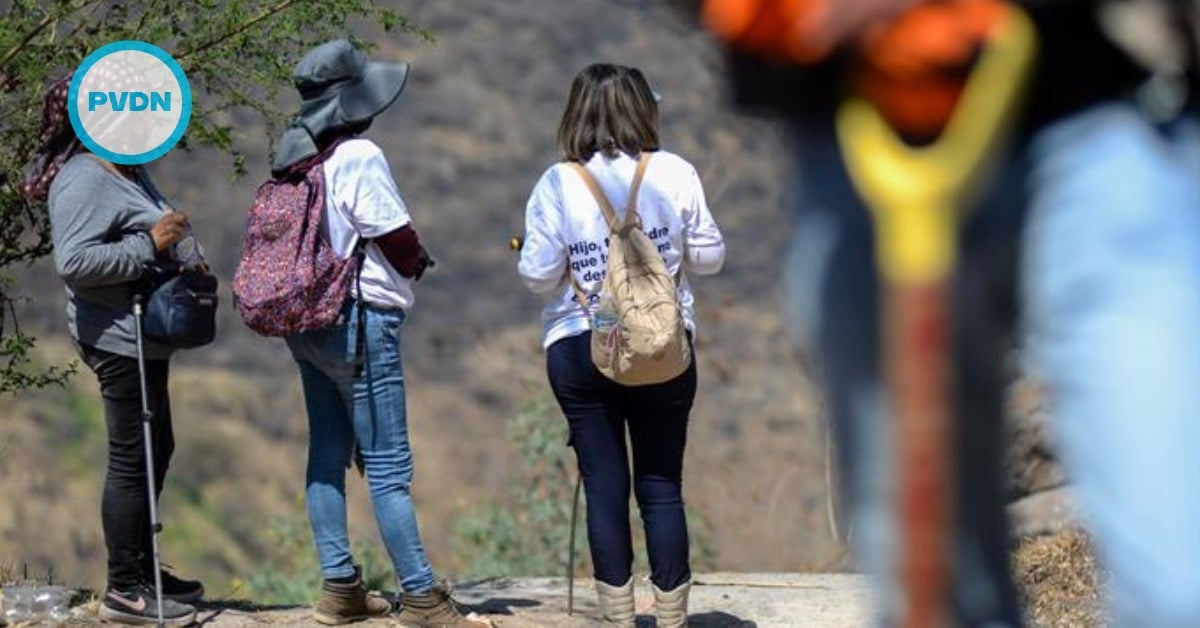
The hills around Puerto Vallarta are usually talked about as viewpoints and hiking spots. For mothers searching for their missing relatives, they have become something else entirely.
In recent days, local search collectives have reported finding at least six sites with human remains and suspected clandestine graves in rural areas of the municipality. The searches focused on El Veladero and Palmita de Cacao, where the groups say they located bone fragments, burned remains and belongings that may have belonged to victims.
According to the collectives, the most significant discovery was made at El Veladero, a rugged area inland from the tourist zone. There, they report a grave with scattered fragments that could correspond to as many as 13 people. In Palmita de Cacao, they identified several additional points with burned bones and possible burial pits. The sites were documented and reported to the authorities responsible for securing the areas and conducting forensic work.
The mothers emphasize that they do not dig for statistics. Each fragment, they say, could be the missing son, daughter, partner or sibling of a family that has waited for years without answers. Their demand is simple but urgent: that forensic teams recover the remains with care, preserve possible evidence and work to identify the victims so they can be returned to their families.
Puerto Vallarta clandestine graves and a wider crisis
Puerto Vallarta is better known for cruise ships and hotel towers than for crime scenes. Yet the city sits inside Jalisco, one of the states with the highest numbers of disappeared people in Mexico. State platforms acknowledge more than fifteen thousand people still listed as missing in Jalisco, and thousands of new disappearance reports just in 2025. Behind each number is a family that often ends up joining a collective like the ones now working in Vallarta.
Searching groups in the state have located clandestine graves before, including large sites in other municipalities where dozens of bodies were recovered. Their experience has taught them to read the landscape: disturbed soil, unusual smells, smoke in remote ravines, or items of clothing abandoned in the brush. Many of their search points begin with anonymous tips, sometimes from people who fear being identified but can no longer stay silent.
In Puerto Vallarta, the recent finds build on earlier work by the same and other collectives. In previous search days around the city, they had already located clandestine graves with complete skeletons and bone fragments now under analysis. They have also organized public days of visibility on the Malecón and in working-class neighborhoods, lining up banners with photos of the missing and inviting residents to study the faces, remember details and share any clue they might have.
The collectives insist that their goal is not to replace the authorities. They want the state to take the lead in robust, professional searches. But they say they cannot sit at home while time passes and evidence disappears. For many mothers, walking the hills with a rod or shovel is the only way they feel they are still doing something for their child.
Families call for information, respect and real follow-through
After the latest discoveries, the groups again called on Puerto Vallarta residents to come forward with any information that could help identify the victims or point to other possible sites. They stress that even small details can matter: the color of clothing, a tattoo remembered from years ago, a piece of jewelry recognized in a photograph taken at the graves.
The mothers also ask for respect. In past searches across Jalisco, some have faced harassment, online attacks or accusations that they “damage the image” of tourist destinations. For families who have spent years filing reports, visiting morgues and knocking on office doors, such criticism feels like a second wound. They argue that what truly harms a city’s image is not the search for the disappeared, but the fact that so many people can vanish without a trace.
At the same time, they direct their strongest words at institutions. They urge the Jalisco search commission, prosecutors and forensic services to maintain a permanent presence in Puerto Vallarta, to coordinate with collectives and to avoid leaving graves unattended. In other parts of the state, families have documented cases in which sites were left without proper guarding or where exhumations took months to begin. The mothers fear that history could repeat itself if pressure eases.
The discoveries in El Veladero and Palmita de Cacao are still in an early phase. Authorities must confirm how many people are buried there, whether the remains match existing disappearance reports and whether there are more graves nearby. That process will be slow and painful. But for the families, even the possibility of getting a name, a bone, a small object back is a step out of the uncertainty that has defined their lives.
For now, Puerto Vallarta lives with a stark contrast. On one side, visitors stroll along the Malecón and watch the sunset over the bay. On the other hand, mothers climb dusty hills, guided by anonymous calls and quiet hope, trying to bring their loved ones home from the clandestine graves that surround the city.