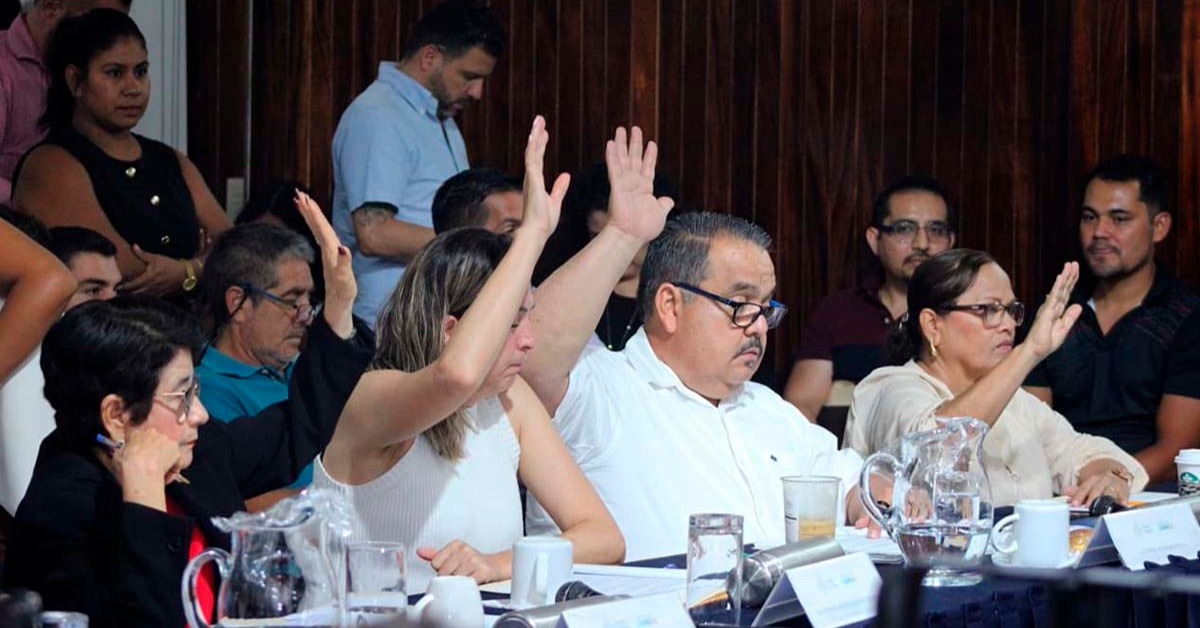
Puerto Vallarta City Council has approved a new Consejo Consultivo de Seguridad that will bring municipal officials, business chambers, universities, and civic groups into the same security planning table.
The council was proposed by Mayor Luis Ernesto Munguía González. Its work is expected to center on prevention, local risk review, and faster coordination when the city faces a public-safety or emergency situation.
The timing is tied in part to Jalisco’s planning for the 2026 World Cup. Guadalajara will host four matches, and state officials have been preparing security and tourism routes beyond the stadium city.
A council with advisory power, not police command
The new body does not replace Puerto Vallarta police, Civil Protection, 911 dispatchers, or state and federal forces. It is an advisory council meant to bring more people into the room before decisions are made.
The approved plan calls for participation from City Hall, the private sector, academic institutions, and organized civil society. Federal agencies may be invited to work sessions, including the Department of the Army, the Navy, and the National Guard.
That mix reflects how security works in Puerto Vallarta. The city has a cruise port, an international airport, federal roads, hotel districts, nightlife zones, and neighborhoods that spill into the Bahía de Banderas metro area. One weak point is that it can involve several agencies before the public sees a response.
The council provides City Hall with a formal forum to discuss those pressure points. Whether it becomes useful will depend on how often it meets, who is allowed to speak, and whether recommendations are made public.
World Cup planning is already reaching the coast
Puerto Vallarta will not host World Cup matches. Still, the tournament is expected to push more travel through Jalisco, including beach and weekend destinations outside Guadalajara.
At a recent regional security meeting in Puerto Vallarta, state officials outlined a World Cup security strategy involving more than 15,000 members of the Navy, Army, National Guard, state police, and municipal forces. The planning included Guadalajara, Pueblos Mágicos, and tourism areas such as Puerto Vallarta.
Local business leaders supported the council but warned against making it another quiet committee. COPARMEX Puerto Vallarta said the body should work with clear goals, follow-up systems, performance measurements, and regular public communication.
“Puerto Vallarta needs strong institutions, effective coordination, and social participation to consolidate itself as a safe city for those who live, work, do business, and invest here,” COPARMEX said.
A security council can help if it produces information that the city can act on. It will be harder to defend if meetings happen, photos are taken, and no one can point to what changed.
The next test is visibility
The vote comes as Puerto Vallarta continues to adjust patrols and emergency planning in tourist areas, neighborhoods, and regional access points. The city has already been working on security operations in tourist zones and neighborhoods, especially during heavier visitor periods.
City Hall will need to show who serves on the council, how often it meets, what risks it reviews, and how its recommendations reach the agencies responsible for patrols, traffic control, beach areas, nightlife corridors, and emergency response.