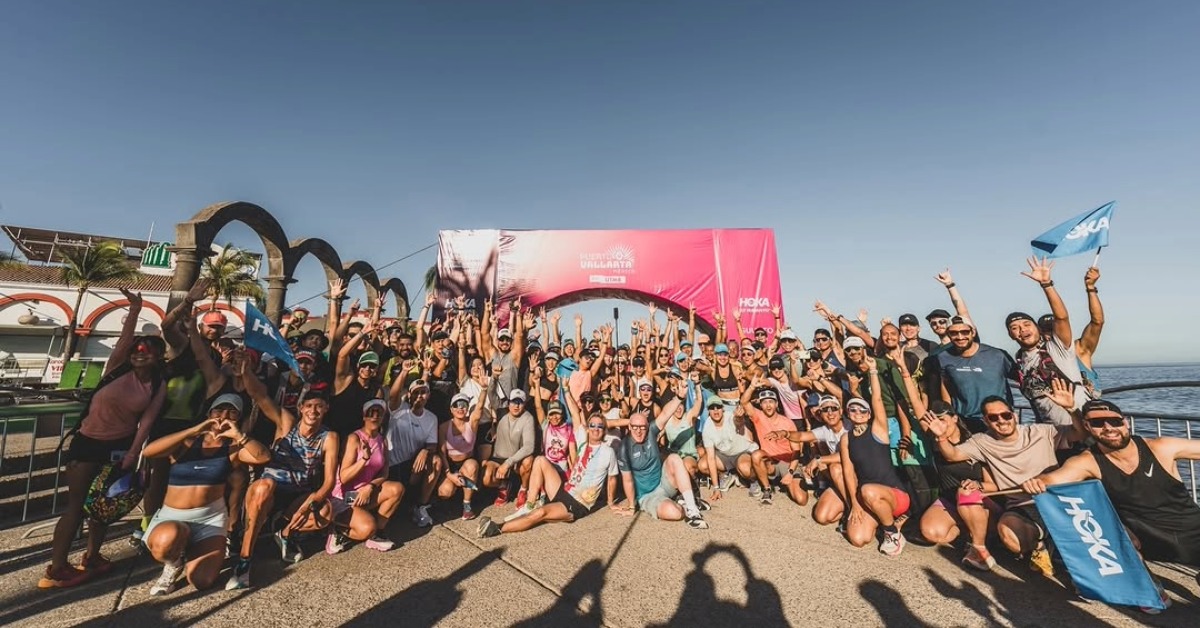
Puerto Vallarta has wrapped another high-profile weekend of trail running, with more than 2,000 athletes taking part in the local stop of the UTMB World Series, one of the best-known mountain-running circuits in the world.
The event ran from April 16 to 18 and brought national and international runners onto routes that crossed jungle, forest, agave fields, and coastal terrain before finishing in the city. Distances ranged from shorter entry-level races to demanding long-course runs, giving the event a broad field rather than a narrow elite-only focus. That matters for Puerto Vallarta because it turns the race into more than a niche competition. It becomes a tourism product with reach across different ages, budgets, and experience levels.
For readers outside the running world, UTMB refers to Ultra-Trail du Mont-Blanc, a global series tied to some of the sport’s best-known mountain races. When Puerto Vallarta hosts one of those events, it is not just putting on another local race. It is placing itself inside an international calendar that attracts athletes, travel companions, coaches, sponsors, and spectators. In tourism terms, that means room nights, restaurant spending, transport use, and wider visibility for the destination.
Why this race fits Puerto Vallarta
Puerto Vallarta has a built-in advantage for this kind of event. Few beach destinations offer such quick access to steep terrain. The city sits between the Pacific and the Sierra Madre, allowing organizers to build a course that feels visually distinct from road races in flatter urban settings.
That geography is part of the appeal. Runners are not only competing against time and elevation. They are moving through a landscape that gives the event a clear identity. In Puerto Vallarta, the route can start in rugged terrain and still end with the ocean in view. That is a powerful image for organizers selling registrations and for officials selling the city.
Organizers also tied the event to local identity through race names such as Hikuri, Nakawé, Haramara, Ereno, and Pata Salada, which were presented as references to Wixárika heritage and to the place itself. That cultural framing is part of what separates the race from a generic endurance event. For international readers, it helps explain why Puerto Vallarta was not chosen only for its climate or hotel capacity. The city offers a recognizable setting and a story that can be packaged alongside the competition.
The bigger point is sports tourism
The headline number is the athlete count, but the longer-term issue is sports tourism. Puerto Vallarta has spent years promoting itself as more than a beach destination. Food, culture, nature, conventions, cruises, and medical travel already form part of that pitch. Endurance events now appear to be another lane in that strategy.
That approach makes sense. A race like this attracts visitors who often travel with a purpose, adhere to a schedule, and spend across several sectors. They book lodging, eat before and after race day, use local transport, and often extend their trips. Some bring family or friends who do not race but still consume the destination as tourists. In practical terms, these are visitors who can help fill hotel rooms and restaurants outside peak holiday windows.
The timing also matters. Puerto Vallarta stacked this race into a broader spring events calendar that has included other sports and festival programming. That signals a push toward a steadier event-driven economy rather than one built only around traditional vacation peaks. For residents, including foreign residents who follow how the city changes from season to season, this is one more sign that Vallarta wants to spread tourism activity across the calendar and across different types of travelers.
Women were a major part of the story
Another notable part of this year’s event was female participation. Post-event local reporting put women at about 35 percent of the field, a strong figure in a discipline that has often been male-heavy, especially at longer distances.
That number matters for two reasons. First, it suggests the event is growing beyond a narrow core of ultrarunning veterans. Second, it reflects a broader shift in endurance sports, where more women are entering races that were once considered specialized or intimidating. When participation rises at a race of this scale, it can influence how the sport is perceived locally, from youth runners and amateur athletes to weekend fitness communities.
For Puerto Vallarta, this is also a branding point. A race that can show broader representation is easier to market to a wider public. It feels less like an exclusive test for extreme athletes and more like a citywide event with different ways to take part. That can help build repeat attendance and deepen local interest over time.
What expats and local residents should take from it
For many foreign residents, events like this can seem secondary compared with issues such as water service, traffic, development, or public safety. But they are still worth watching because they say something about where Puerto Vallarta is heading.
The city is increasingly investing in events that reshape its public image. Instead of selling only the familiar postcard version of Vallarta, officials and tourism promoters are positioning the destination as one that offers mountains, endurance sports, and active travel. That does not replace the beach economy. It adds another layer to it.
It also has visible effects on daily life. Big race weekends can mean road impacts, heavier activity in hotel zones, and more foot traffic near public gathering spaces. But they can also bring money into businesses that depend on visitor flow. For longtime residents, the question is not whether a mountain race changes the city overnight. It does not. The question is whether repeated events like this gradually build a different economic model for Vallarta. The answer appears to be yes.
Puerto Vallarta is building a broader identity
This year’s turnout suggests Puerto Vallarta is finding traction in that effort. A city once promoted mainly for its beaches, nightlife, and winter sun is now positioning itself as a destination for competition, adventure, and active travel. That does not mean every visitor will come to run through the mountains. Most will not. But it does mean the city is trying to widen the reasons people come.
That may be the most important takeaway from the UTMB weekend. The race drew more than 2,000 athletes, but its greater significance was symbolic. It showed that Puerto Vallarta can stage an international event that links landscape, tourism, and local identity in a way that few resort cities can.
If that trend continues, the city will remain a beach destination. It will simply become more diversified.