Puerto Vallarta moved its ocean lifeguard team through national recertification just as the March holiday weekend lifted beach traffic. The timing matters because this was not a classroom formality. Guards were tested in the surf and in a pool on endurance, rescue technique, and emergency response. For readers who use Vallarta’s beaches often, the bigger story is what this says about how the city prepares for crowd surges, changing surf, and daily flag warnings.
A timely certification for a busy beach weekend
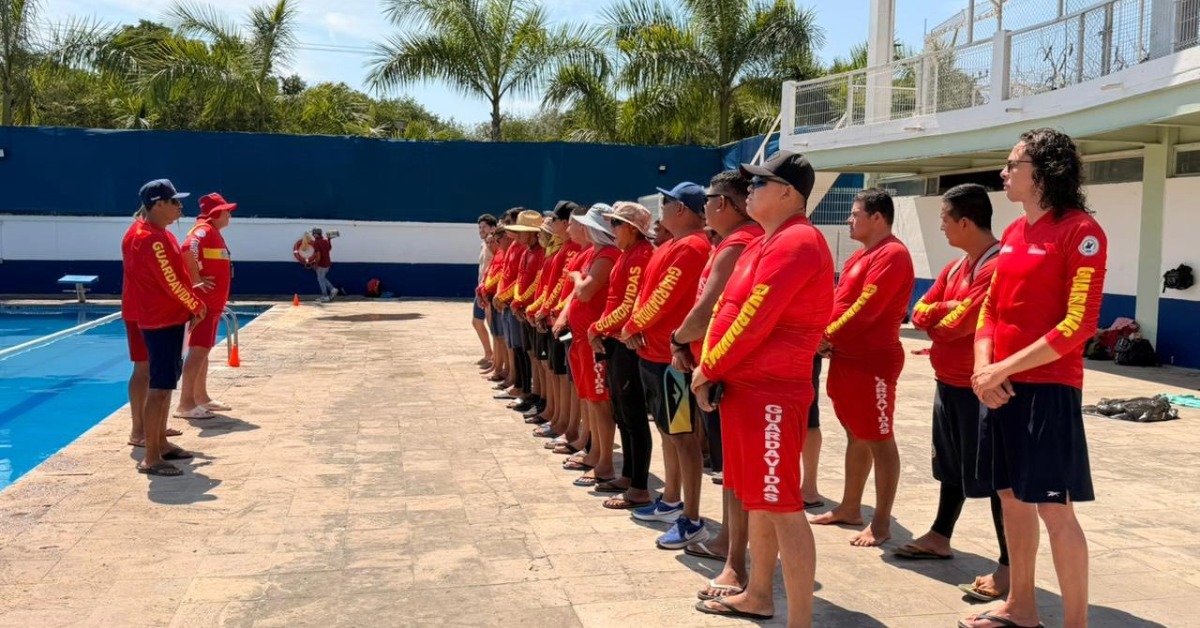
Puerto Vallarta’s aquatic rescue personnel completed national recertification as ocean lifeguards just as the city entered one of March’s busiest travel periods. The evaluation was carried out under the Federación Mexicana de Salvamento y Rescate Acuático, giving the city a fresh readiness check before heavier beach use.
The timing is what makes this more than a routine personnel story. Local tourism officials said Puerto Vallarta expected 70 to 75 percent hotel occupancy during the long weekend. At the national level, tourism officials projected 1.78 million hotel guests across Mexico during the March holiday bridge. In a beach city, that kind of surge means more swimmers, more novice beach users, and more chances for something small to turn serious.
Days before the weekend, municipal civil protection officials said beaches were generally in good condition and that a preventive operation would remain active on the main waterfront areas. They said roughly 30 to 40 personnel would stay alert through the holiday period. By Sunday, local coverage showed beaches already filling with visitors.
What the recertification actually measured
This was not just a paperwork renewal. Reports on the process showed the guards were tested both at sea and in a pool. Open-water exercises included a timed swim, a run-swim-run event, flotation work, rescue scenarios, and team simulations. Pool testing added another timed swim, apnea, a speed event, and the extraction of an unconscious victim.
That matters because ocean lifeguarding in Puerto Vallarta is broader than standing watch from the sand. The job requires reading water conditions, judging risk, reaching a victim fast, making contact safely, and getting that person out without creating a second emergency. In a place where surf conditions can vary from one beach to the next, those skills matter every day, not only during peak tourist dates.
Part of the evaluation also took place with support from local facilities in the city, which shows how these certifications often depend on coordination beyond the beach itself. The process tied together the rescue team, the municipal civil protection structure, and outside evaluators working under a national standard.
Why this matters in Puerto Vallarta
For many international readers, beach safety in Mexico can look informal from the outside. In practice, Puerto Vallarta operates a flag-monitoring system that communicates changing conditions across different stretches of coast. A yellow flag means caution. A red flag means do not enter. A purple flag warns of dangerous marine life. Those warnings are not decorative. They are the first line of prevention before any rescue begins.
That system matters because Puerto Vallarta’s beaches are used by more than vacationers. Residents walk them, exercise on them, and enter the water as part of daily life. Expats do the same. During long weekends, that routine collides with a wave of short-stay visitors who may not know the shoreline, the current, or the meaning of the flags. Even when the weather looks calm from shore, the risk can change quickly near river mouths, surf breaks, rocky points, and crowded swimming areas.
The city had already been reporting generally usable beach conditions in early March, with several major beaches under yellow flags rather than red. That sounds reassuring, but it does not mean the ocean is risk-free. Yellow is a warning to slow down, stay alert, and adjust to conditions. A trained lifeguard force helps, but it does not replace swimmers’ basic judgment.
What beachgoers should take from it
The practical takeaway is simple. Recertification improves response capacity, but it does not remove danger. The city can place trained people on the sand and verify that they are fit to respond. It cannot keep every swimmer from making a bad decision.
That is why the official advice around weekends like this stays basic and repetitive. Respect the flags. Listen to the guards. Do not enter the water after drinking. Pay attention to children even on calmer beaches. Do not assume one beach is behaving like the next. Those warnings can sound obvious, but they become more important when beaches are full, and the margin for error gets smaller.
Seen that way, the recertification is both a local news item and a useful measure of readiness. Puerto Vallarta chose to verify the skills of its aquatic rescue team just before a high-traffic weekend. For a city built around the water, that is less about ceremony than about capacity.