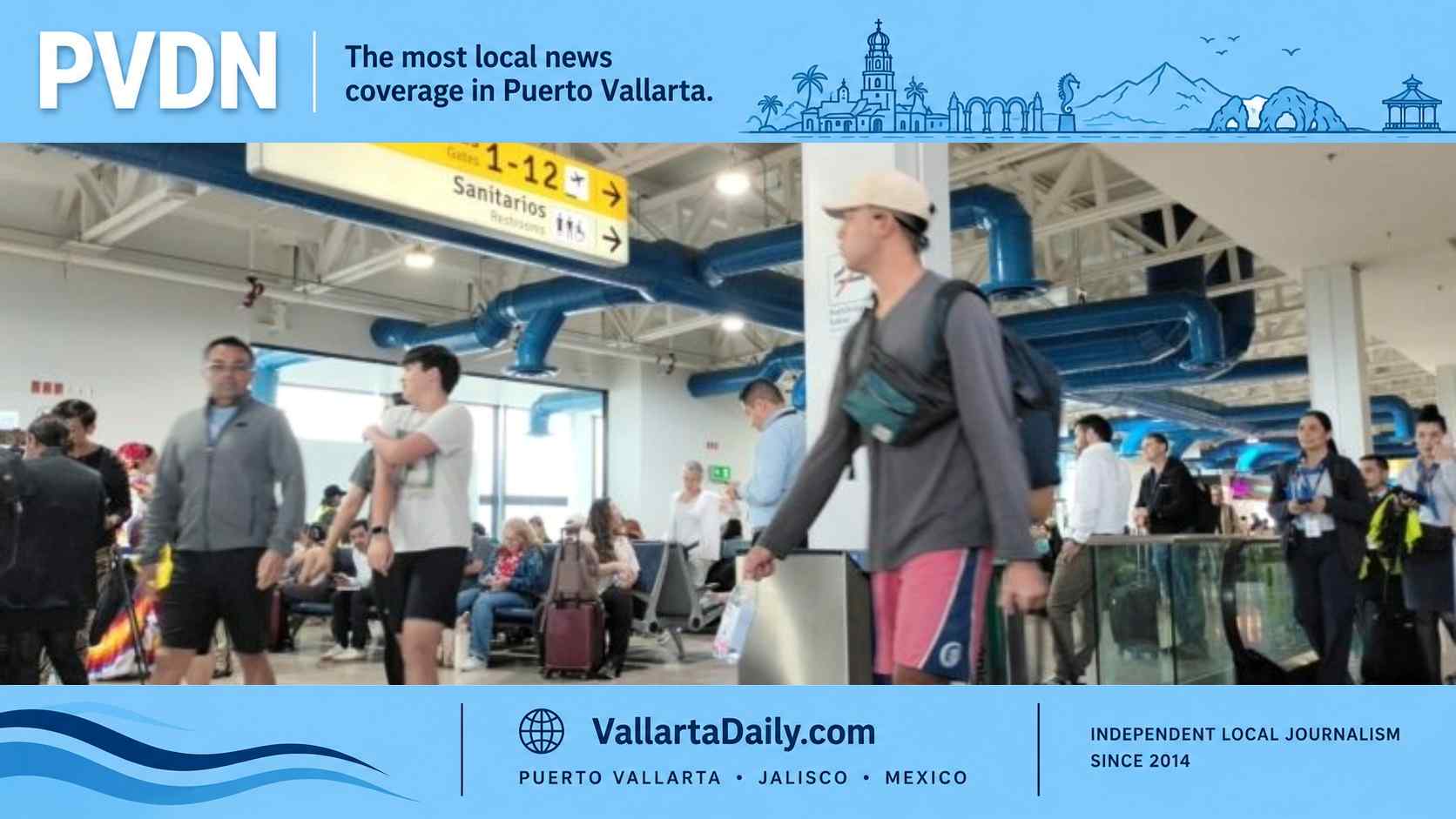
Puerto Vallarta is open again, flights are back, and tourism officials are trying to restore confidence. But one market has not returned at the same pace. Travel agencies say demand from Mexico and Canada is stabilizing after the February 22 violence, while U.S. group travel, especially Spring Break, took the hardest hit. That matters because it shows how a destination can recover on the ground, yet still struggle with perception in the American market.
Puerto Vallarta is recovering, but not evenly
Puerto Vallarta has regained part of its tourism rhythm after the violent events of February 22, but the recovery is not happening at the same pace across all markets. According to Martín Rodríguez Félix, president of AMAV Puerto Vallarta and Riviera Nayarit, domestic travelers and Canadians have returned with less hesitation than many Americans. The sharpest pullback has come from organized American travel, especially Spring Break, incentive groups, and conventions.
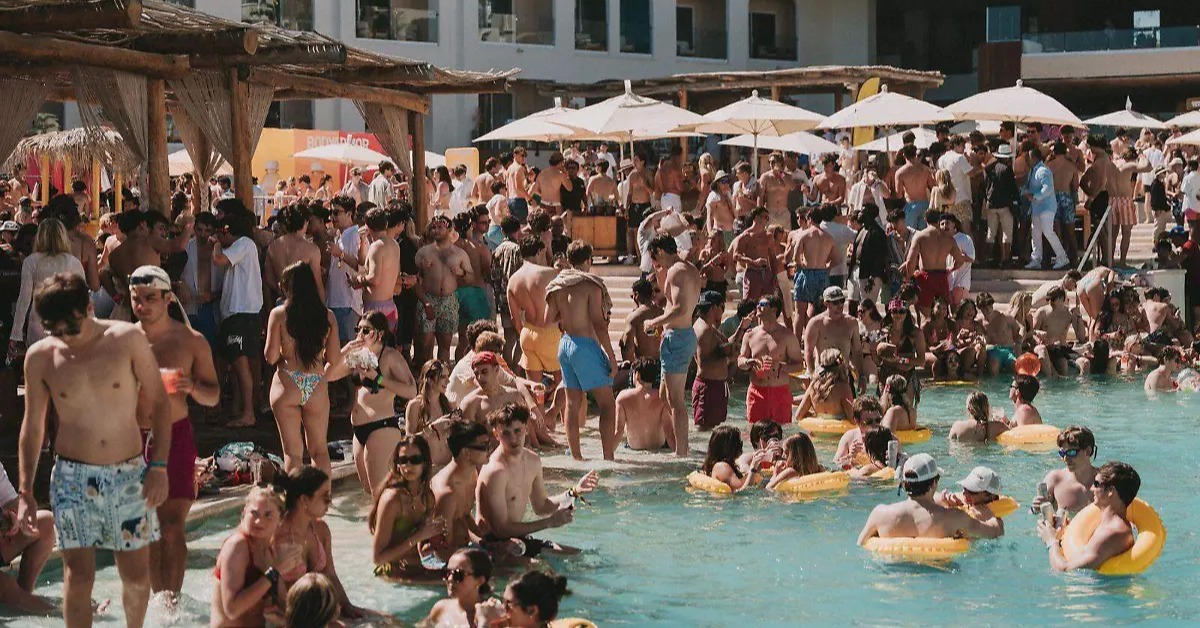
Rodríguez said the damage is large enough to reshape the rest of the season. He estimated that the region could lose between 30,000 and 32,000 visitors between March and April. That figure includes roughly 10,000 to 12,000 group travelers and at least 15,000 to 20,000 spring breakers who will not arrive as originally expected. In practical terms, that means Puerto Vallarta may still look active, but some of the highest-volume youth and group business has already moved elsewhere.
The U.S. market pulled back for a different reason
That distinction matters. Individual travelers often make personal decisions and can change them quickly. Group operators do not work that way. They have contracts, liability concerns, and a duty to manage risk for hundreds of travelers at once. Rodríguez said many of those agency-managed groups were redirected to Los Cabos, even though local tourism leaders insist Puerto Vallarta returned to normal quickly.
This helps explain why the market appears mixed instead of simply weak. Rodríguez said individual travel is still performing better than expected. He also said some canceled groups are already looking for new dates later in the year. But the organized Spring Break segment has been much harder to recover because those trips depend on confidence months in advance, not just on whether the airport is open today. Once an operator shifts a student group to another destination, it is difficult to win that business back in the same season.
What happened on February 22
For many international readers, the missing context is what made this incident different. On February 22, a major security operation in Jalisco was followed by retaliatory blockades, vehicle burnings, and severe travel disruption in several areas, including Puerto Vallarta. The immediate problem was not only the violence itself. It was also the speed with which highways, airport access, ground transportation, and flight schedules were affected.
That created a powerful image problem. Travelers saw videos of burning vehicles and road closures. Governments issued alerts. Airlines canceled flights. Even after the streets reopened and daily activity resumed, the perception of instability remained online. For a beach destination that depends heavily on advance bookings, group sales, and repeat visitors, that kind of perception can linger longer than the operational disruption.
The destination recovered faster than the headlines did
There are signs that Puerto Vallarta stabilized quickly. Airport operations were restored within days, and tourism officials moved fast to project normality. Yet the data still shows the event left a mark. February closed with lower passenger traffic after two days of heavy cancellations, a reminder that even a short disruption can leave a measurable impact on the month.
That is why this story is bigger than one canceled party season. It is about the difference between operational recovery and market recovery. A city can reopen, hotels can keep receiving guests, and flights can resume, while buyers in another country still decide that now is not the right time to send a student group, a convention, or a corporate incentive trip. Rodríguez’s comments suggest that is exactly where Puerto Vallarta stands now: functioning normally on the ground, but still paying a price in the U.S. group market.
Why tourism leaders are focusing on confidence now
Local officials and business groups are leaning heavily on Gala Puerto Vallarta–Riviera Nayarit 2026 to help close that gap. The event brings together buyers, hotels, airlines, wholesalers, and tourism executives at a key moment for the destination. The strategy is clear. Puerto Vallarta does not only need to say that it is open. It needs to convince buyers that the disruption was temporary and that future groups can be sold with confidence.
That is also why Rodríguez emphasized rebooking, not only loss. Some canceled business may still return later in 2026 if buyers feel the destination has stabilized and the sales cycle can be rebuilt. But that will take time. Group travel recovers more slowly because the decision-makers are not only travelers. They are agencies, tour operators, universities, and planners who must defend those choices internally.
What this means for expats, residents, and repeat visitors
For people who live in Puerto Vallarta, the most important takeaway is that this is not only a tourism story. It is a local economy story. Spring Break visitors spend money on hotels, bars, restaurants, tours, transportation, and nightlife. Convention and incentive groups spread spending across a wider network of businesses, often with higher budgets and longer planning windows. When that market weakens, the effect reaches far beyond the beachfront.
For expats and repeat visitors, the story is also a useful reminder about how destinations are judged abroad. Travelers on the ground may see a city working normally again, but tour operators and families booking from another country often react to advisories, videos, and worst-case assumptions. Puerto Vallarta may have quickly restored daily operations, but rebuilding confidence in the American market will likely take longer than reopening roads and restoring flights.
What comes next
The next test will be whether the current setback stays limited to this Spring Break cycle or spills into later bookings. If more of the canceled groups reschedule for the second half of the year, Puerto Vallarta may recover much of the ground it lost. If buyers continue shifting student and group traffic to destinations like Los Cabos, the destination could feel the impact more deeply into 2026.
For now, the clearest reading is this: Puerto Vallarta is not facing a total tourism collapse. It is dealing with a selective but meaningful loss in one of its most visible U.S. segments. The city has recovered faster in daily operations than in international perception, and that gap is now the real story.
With information from Contralínea, U.S. Department of State Travel Advisory for Mexico, Government of Canada Travel Advice for Mexico