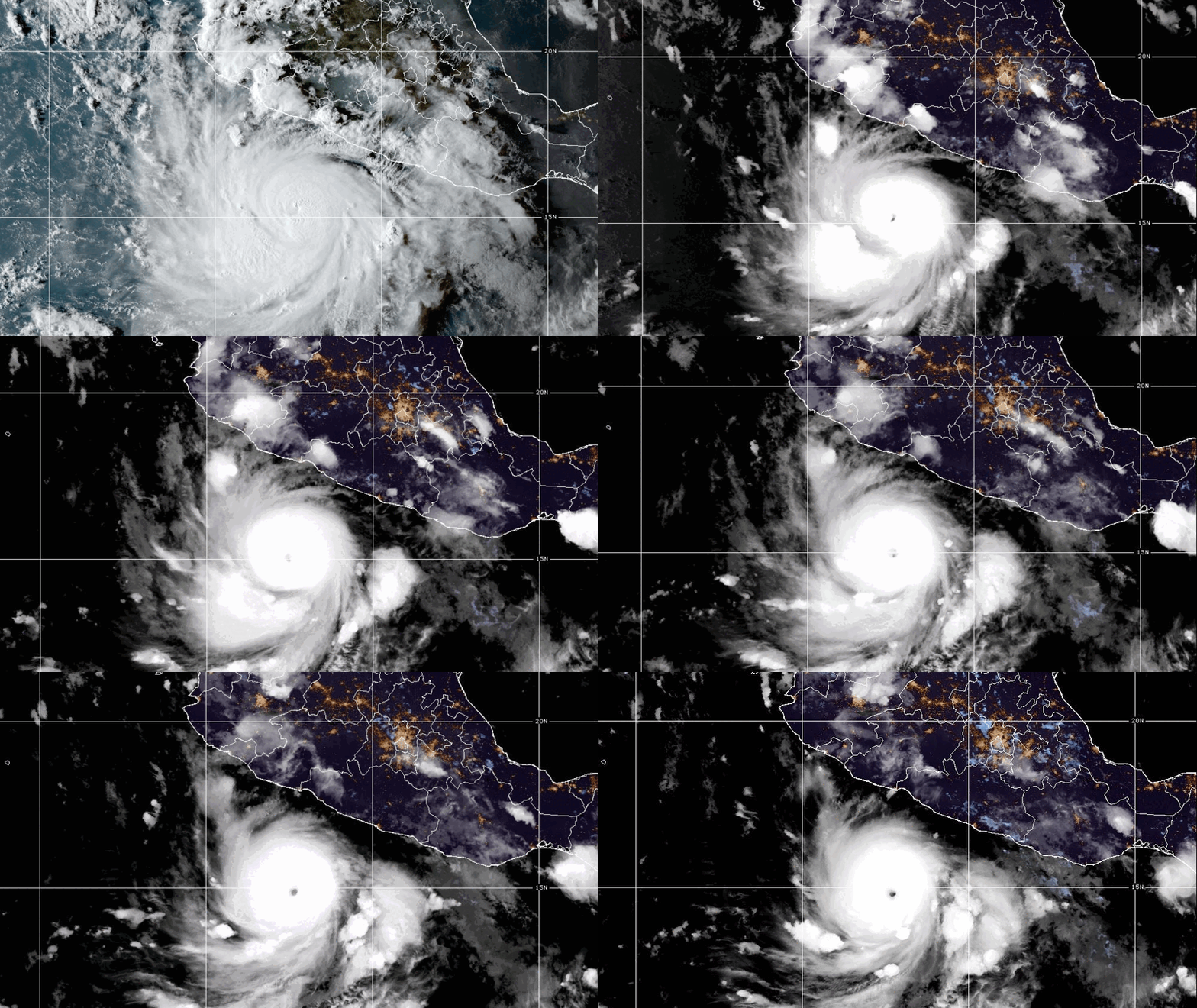
Puerto Vallarta is spending Friday under a mar de fondo alert after Mexican weather authorities warned of rougher sea conditions along the Jalisco coast. Forecasts pointed to waves of up to three meters and wind gusts near 50 km/h, conditions that can quickly make swimming and shoreline activity more dangerous than they appear from a distance.
That matters in Puerto Vallarta because the city is entering a busy beach period, with residents and visitors spending more time along the water. A warning like this does not always come with dramatic skies or heavy rain. In many cases, the hazard is at the shoreline itself, where wave energy can arrive in strong sets, creating unstable conditions for swimmers, people standing close to the surf, and smaller boats working near the coast.
What mar de fondo means in plain language
For readers unfamiliar with the term, mar de fondo is not a tropical storm parked over Puerto Vallarta. It is a long-period swell generated far from the local coastline. That swell travels across the Pacific and can reach Mexican beaches days later. By the time it arrives, local weather may look mostly normal, which is one reason the risk is often underestimated.
What makes mar de fondo different from an ordinary choppy beach day is the wave pattern. The swell tends to arrive in longer intervals and with more energy. That can produce stronger breaking waves and a more forceful push and pull at the water’s edge. Maritime authorities also warned of currents of return, known in Mexico as corrientes de retorno, which can pull people away from shore or knock them off balance in shallow water.
Why the warning matters beyond swimmers
The alert is not only for people going into the ocean. These conditions can also affect beach vendors, waterfront restaurants, tour operators, and small craft working close to shore. Even when waves are not constantly breaking high, long-period swell can send sudden surges farther up the sand than many people expect.
That is especially important in a city like Puerto Vallarta, where beach activity is part of daily life. A family taking photos near the waterline, someone walking with children, or a visitor sitting close to the surf can all be caught off guard when a stronger set arrives. The same applies to people launching small recreational craft or planning water activities without first checking beach flags and local advisories.
What readers should watch before heading to the beach
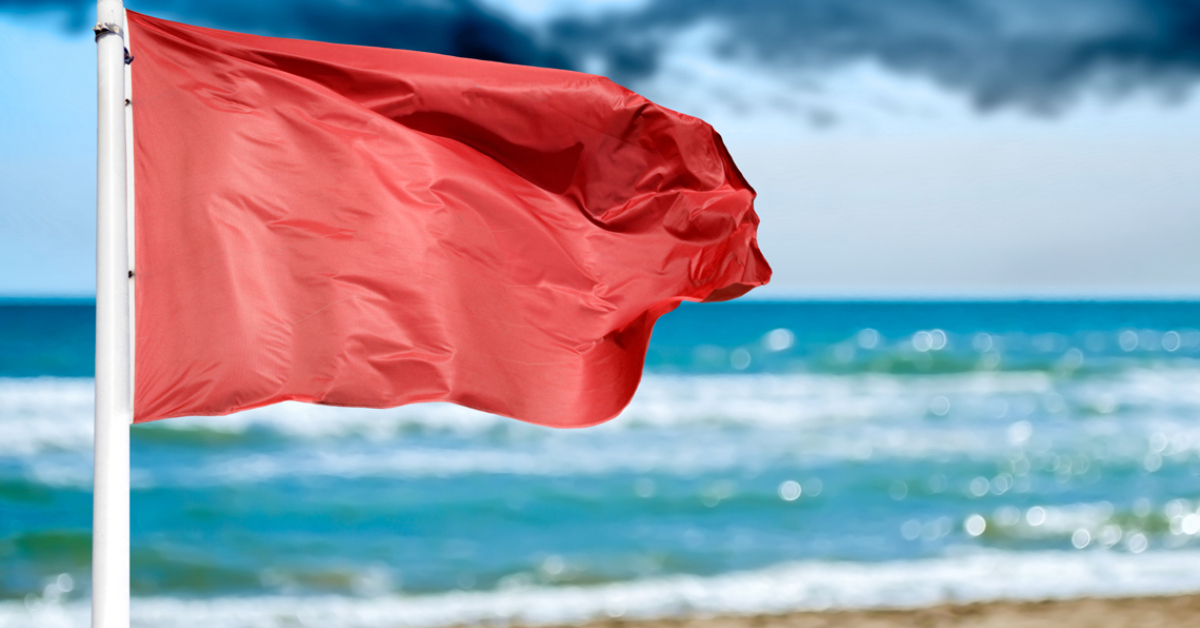
For most readers, the practical takeaway is simple. A mar de fondo alert means it is worth treating the sea with more caution than usual, even if conditions look manageable at first glance. Before entering the water, beachgoers should check local flag warnings, watch the surf for several minutes, and avoid assuming that a single calm moment reflects the full pattern.
Parents and older adults should be especially careful near the shoreline, where strong backwash can be enough to cause a fall. Visitors who are not used to Pacific surf in Mexico may also misread the risk. Puerto Vallarta’s bay can appear calmer than open-ocean beaches, but long-period swell can still create dangerous conditions in parts of the coast and around exposed stretches.
A familiar warning with fresh urgency
Puerto Vallarta has dealt with similar surf alerts before, and local officials have repeatedly used beach flag systems and safety messaging when mar de fondo builds along the coast. What gives this Friday’s warning extra weight is the combination of wave height, gusty winds, and the broader regional forecast for the central Pacific coast.
For foreigners living in Puerto Vallarta, the phrase mar de fondo is one of those local weather terms worth learning. It may sound technical, but the meaning is straightforward. The ocean is carrying more power than usual, and that power can reach the beach suddenly. On a normal day, the bay invites people in. On a day like this, the safer choice may be to admire the view from farther back.